Every bite we take tells a story. Often, that story hides pain and loss behind our daily meals. World Farmed Animals Day brings this truth into focus. It urges us to think about the animals on our plates. On October 2, people worldwide gather to honor these creatures and demand better lives for them. As WDFA 2025 approaches, the call grows louder for change in how we treat farmed animals.
The History and Meaning Behind the Day
World Farmed Animals Day started small in 1983. It aimed to spotlight the plight of animals in farms. The date honors Mahatma Gandhi’s birthday. Gandhi championed animal rights and believed in kindness toward all beings. He once said nations show their true progress through how they treat animals. This day has grown into a global push for farm animal rights. It fights against animal exploitation and calls for an end to factory farming. Gandhi’s ideas on non-violence inspire activists to end animal slavery and promote compassionate living.
Inside Factory Farming: A System of Suffering
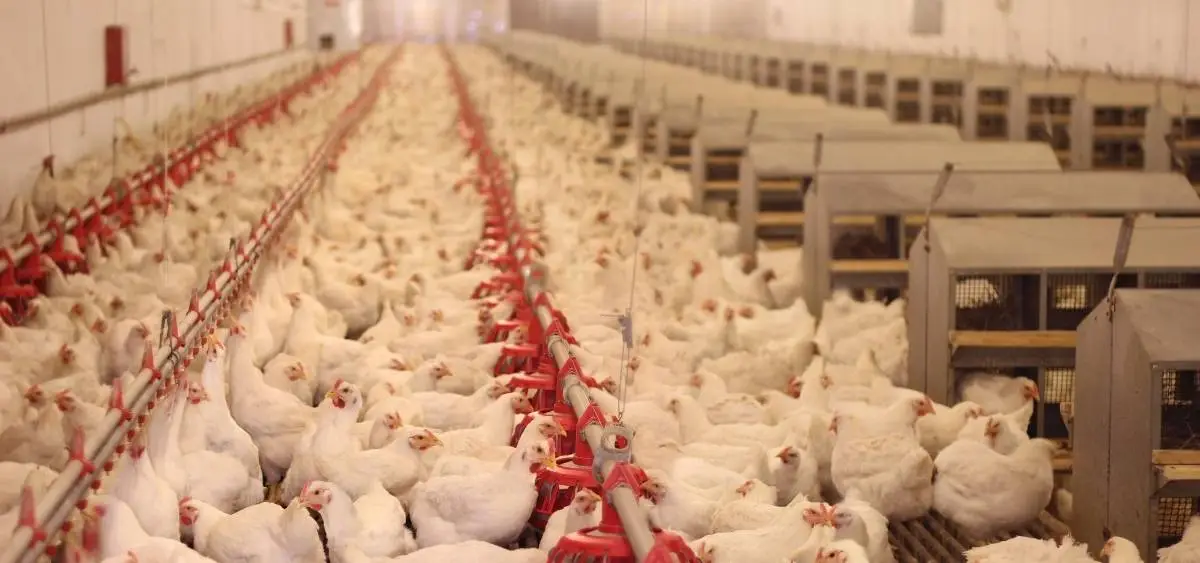
Factory farming packs animals into tight spaces for maximum profit. These industrial setups ignore basic needs. Animals face constant stress, injuries, and early deaths. Chickens, pigs, and cows endure mutilations without pain relief. The dairy industry abuse stands out, cows get separated from calves soon after birth, leading to endless cycles of milking and suffering. In the meat industry, billions face brutal ends in slaughterhouses. Farmed animals suffering goes unseen, but it affects sentient beings who feel fear and pain just like us. Humane farming offers a kinder alternative, with space for natural behaviors, yet it remains rare.
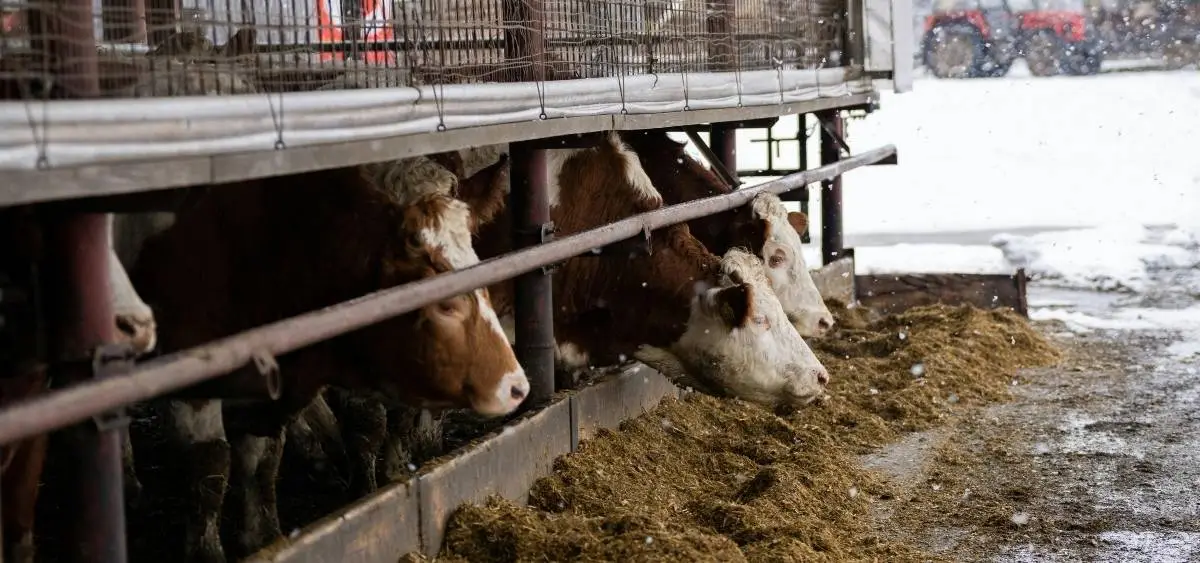
Billions of Animals Killed Every Year
The numbers are hard to imagine. Every year, over 85 billion land animals are killed worldwide for food, and this number has grown by about 1.8% from last year. In the U.S. alone, nearly 10 billion animals are killed each year. If we include farmed and wild-caught fish, up to 3 trillion more, the total becomes staggering. Around 90% of these animals live in factory farms, where they often suffer. These facts show the harsh reality of animal cruelty and make us think about our role in this system.
The Bigger Picture: Harm to Our Planet
Factory farming doesn’t just hurt animals. It damages the environment too. Livestock contributes around 14.5% of global greenhouse gases emission from human activities. Deforestation for feed crops adds to climate change. Waste from these farms pollutes rivers and air. Biodiversity suffers as habitats vanish. Shifting to plant-based diets could ease this strain. It supports healthier ecosystems while reducing our footprint.
Joining the Movement: Ways to Act on WDFA 2025
World Farmed Animals Day sparks action. In 2025, groups host vigils, film screenings, and talks to expose truths. Some join a fast against slaughter to show solidarity. Others rally for stronger animal welfare laws. Mini-grants helped fund local events this year, though applications closed recently. You can start small. Share stories online or sign petitions to end factory farming. Visit sanctuaries to see rescued animals thrive.
Embrace Change: Go Vegan for a Kinder World
Veganism offers a direct path to help. Go vegan by ditching animal products entirely. A plant-based diet spares lives and boosts health. It cuts demand for cruel practices in dairy and meat. Compassionate living means choosing kindness in every meal. Try swaps like almond milk or veggie burgers. These steps build toward a world without exploitation.
A Call for Hope and Action
World Farmed Animals Day reminds us of choices. It honors the lost and fuels the fight for better. As October 2, 2025, draws near, reflect on your plate. Small changes ripple out. Join the movement to protect animals and our planet. What step will you take today? The answer could change everything.
FAQs
1. When is World Farmed Animals Day observed?
It is observed every year on October 2nd, coinciding with Mahatma Gandhi’s birthday, who was a strong advocate for animal welfare.
2. Who started World Farmed Animals Day?
Various animal welfare organizations initiated this day to draw global attention to the treatment of animals in factory farming and promote humane alternatives.
3. How can I celebrate World Farmed Animals Day?
You can celebrate by spreading awareness on social media, attending animal welfare events, supporting cruelty-free products, or reducing meat consumption.
4. What are the main goals of World Farmed Animals Day?
- Raise awareness about farmed animal suffering
- Encourage humane treatment and ethical farming practices
- Promote plant-based diets and cruelty-free alternatives
5. Is World Farmed Animals Day recognized globally?
Yes, it is recognized by animal welfare groups and advocates worldwide, though it is not an official public holiday.
6. What is the significance of linking this day to Gandhi?
Mahatma Gandhi was a strong proponent of non-violence and compassion towards all living beings. Observing this day on his birthday emphasizes humane treatment of animals.
Also, read: Waste Dumping in Suffolk Costs Group £71,000 Fine
Also, read: World Wildlife Week: Celebrating Nature’s Untamed Wonders
Also, read: World Rabies Day (28 September): Unite for a Rabies-Free Future
Also, read: Celebrate the Mighty Cassowary on World Cassowary Day!
Also, read: Seal Alert: Why a Frisbees Ban Is Needed to Save Marine Life
Also, read: 7 Yummy Vegan Breakfasts You Can’t Resist!