Imagine looking up at the sky and seeing huge blades slowly spinning in the wind. It might seem simple, but those blades are doing something amazing, they are turning wind into electricity that powers homes, offices, and cities.
Many people wonder how wind turbines actually make electricity. At first it almost feels like magic, but the truth is that it’s based on simple science that anyone can understand. In this guide, we’ll explain the process step by step in easy words, showing how moving air can eventually turn on the lights in your home. Let’s explore how it all works.
Why Wind Energy Is So Important Today?
Wind is basically solar energy in another form. The sun heats different parts of the Earth unevenly. Warm air rises, cooler air moves in to replace it, and this movement creates wind. Modern technology captures this moving air and converts it into usable electricity.
In recent years, wind power has grown rapidly around the world. By 2026, global wind energy capacity has crossed more than 1.3 terawatts, with huge numbers of new turbines installed in the past few years. In many places, wind now produces a large portion of the electricity people use every day. The best part? Wind energy doesn’t need fuel and doesn’t produce pollution while generating power.
The Basic Idea Behind Wind Turbines
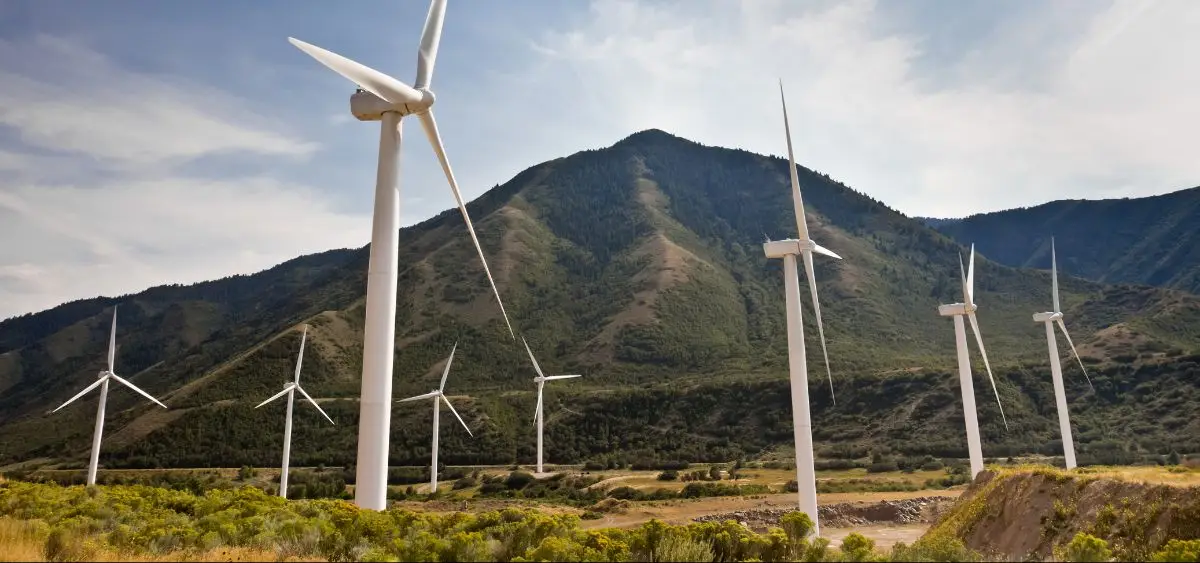
The working principle of a wind turbine is actually quite simple. When wind blows across the turbine’s blades, the air moves faster over the curved surface than underneath it. This creates a pressure difference that produces lift, the same force that helps airplanes fly.
Because of this lift, the blades begin to rotate. The spinning blades turn a central rotor, creating mechanical energy. A generator then converts that mechanical energy into electrical energy. In simple terms, wind turbines transform the movement of air into electricity we can use.
Most turbines start producing electricity when wind speeds reach about 6–9 miles per hour, and they generate their maximum power when the wind is stronger. If the wind becomes too strong, the system automatically adjusts the blades to keep everything safe.
Main Parts of a Wind Turbine
Every modern wind turbine includes several key parts that work together.
- Blades – Usually three long blades made from strong but lightweight materials. They capture the wind and start the spinning motion.
- Rotor and hub – The center part that connects the blades and rotates when the blades spin.
- Nacelle – The box located at the top of the tower. Inside it are the gearbox, generator, and control systems.
- Tower – A tall structure that lifts the turbine high above the ground where winds are stronger and more stable.
- Generator – This is the component that produces electricity using magnets and electromagnetic induction.
- Yaw system – A motor that turns the turbine so the blades always face the wind.
- Pitch control – Small motors that adjust the angle of the blades to capture the most energy or slow them down during strong winds.
- Foundation – A large concrete base that keeps the turbine stable.
All these parts work together to keep the turbine running smoothly and efficiently.
Step-by-Step: How Wind Becomes Electricity
The process of generating electricity from wind happens very quickly. Here is the journey in simple steps.
- Wind blows against the turbine blades and causes them to spin.
- The spinning blades rotate the rotor connected to a shaft.
- This shaft carries the rotation into the nacelle.
- A gearbox increases the speed of the rotation.
- The fast-spinning shaft drives the generator.
- The generator converts the mechanical movement into electrical energy.
- A transformer increases the voltage so the electricity can travel long distances.
- The electricity is then sent through power lines to the grid and finally to homes and businesses.
From the moment the wind hits the blades to the electricity reaching your home, the whole process takes only a few seconds.
Wind Farms: Producing Electricity on a Large Scale
While one turbine can produce electricity, wind farms make a much bigger impact. A wind farm is a group of many turbines placed in windy locations such as open plains, hills, or coastal areas. When dozens or even hundreds of turbines operate together, they can produce enough electricity to power entire cities.
Offshore wind farms, built in the ocean, are becoming even more powerful. Winds over the sea are stronger and more consistent, allowing turbines to generate much more electricity. Some of the newest offshore turbines are extremely large and can supply power to thousands of homes on their own.
Can Homes Use Wind Energy Too?
Yes, small wind turbines can also be installed for homes. These smaller systems are usually placed in areas where wind speeds are consistently strong. A typical residential turbine can produce several kilowatts of electricity, helping homeowners reduce their electricity bills and become more energy independent. Although most wind power is produced by large wind farms, small turbines show that individuals can also benefit from this renewable energy source.
Why Wind Energy Is a Smart Choice
Wind energy offers many advantages. First, the wind itself is completely free once the turbine is installed. There is no need for fuel. Second, turbines generate electricity without producing air pollution or greenhouse gases during operation. Wind power also helps reduce carbon emissions and creates jobs in manufacturing, installation, and maintenance. Another benefit is that the land around turbines can still be used for farming or grazing animals, making wind energy a practical and land-friendly solution.
Conclusion
The next time you see wind turbines turning in the distance, you’ll know exactly what they are doing. Those spinning blades are quietly transforming moving air into clean electricity that powers our modern world. As technology improves and more turbines are installed, wind energy will continue to play a major role in creating a cleaner and more sustainable future. Wind may be invisible, but its power is shaping the energy systems of tomorrow. And who knows, the electricity powering your home right now might be coming from the wind.
Also, read: How Lohum Is Making Millions from Waste Batteries!
Also, read: Recycling Revolution: Easy Ways to Make a Lasting Impact!
Also, read: Composting at Home: 8 Easy Ways to Turn Waste into Gold!
Also, read: This Company is Changing Uganda with Banana Fibers – TEXFAD
Also, read: What is Banana Fibre? Is this the softest vegan fabric?
Also, read: Lithium Battery Recycling: Smart Solution to Battery Waste!