
Recycling is more than just a buzzword. It is a solution to a sustainable tomorrow. In today’s world, recycling has become essential to managing waste, protecting the environment, and conserving resources. Whether you’re looking to reduce plastic waste or explore zero-waste living, this guide covers it all. Let’s find out about the recycling revolution!
Also, read: 8 Eco-Friendly Habits to Reduce Your Carbon Footprint!
What is Recycling?
Recycling is the process of collecting, processing, and converting waste materials into new, usable products. It helps reduce the amount of waste sent to landfills and minimizes environmental pollution. Recycling involves multiple stages, including collection, sorting, cleaning, and reprocessing. The main goal is to reuse resources rather than letting them go to waste.
There are different types of recycling based on the material involved:
- Plastic Recycling: Involves collecting and processing plastic waste to make new plastic products.
- Paper Recycling: Converting used paper into new paper products, reducing the need for virgin pulp.
- Metal Recycling: Melting down scrap metal to form new metal items, saving energy and raw materials.
- Glass Recycling: Crushing and melting old glass to create new glass products without losing quality.
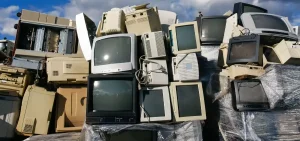
- Electronic Waste Recycling: Breaking down old electronics to recover precious metals and components.
According to the EPA, recycling helps conserve natural resources, reduce greenhouse gases emission, and promote environmental sustainability. It’s an essential practice for managing waste efficiently while reducing pollution and saving energy.
Also, read: Zero Waste Challenge: Small Changes, Big Impact
Why Recycling Matters
Recycling is vital for several reasons, including:
- Reduces Environmental Pollution: Recycling cuts down on waste that goes to landfills and oceans, which helps reduce pollution and damage the environment.
- Conserves Natural Resources: By reusing materials like metals, paper, and plastics, recycling reduces the need to extract, refine, and process raw resources, which helps preserve ecosystems.
- Saves Energy: Prducing items from recycled stuff generally requires far less energy compared to producing them from research sources. Recycling aluminum, for instancec conserves upto 95% of the energy necessary to produce fresh aluminum.
- Mitigates Climate Change: Recycling reduces greenhouse gas emissions by decreasing the energy needed for production processes, which contributes to slowing global warming.
- Economic Benefits: Recycling industries create jobs in waste management, processing, and manufacturing. They also reduce landfill management costs and generate economic value from recycled materials.
Also, read: The Incredible Benefits of Gardening for Just One Hour a Day
How to Recycle at Home
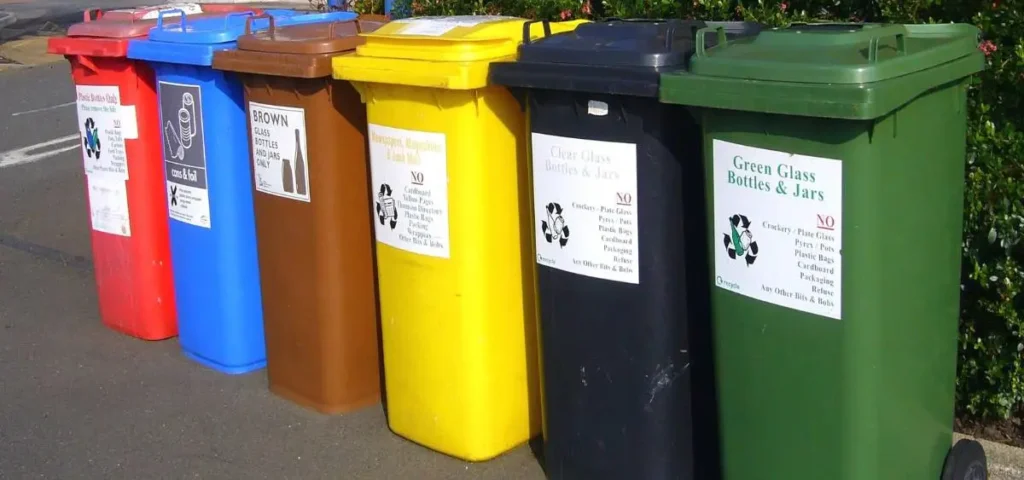
Home Recycling can be easy and useful with a few easy steps. Start by alloting separate bins to different categories of waste like plastic, paper, metal, glass, and organic materials. Mark each bin clearly so that it is easy to sort and position them in convenient spots like the garage or kitchen.
Make sure to clean recyclables before placing them in the bin, as food residue can contaminate the whole batch. Stay updated with local recycling guidelines to ensure you’re following the right process.
Consider composting organic waste to reduce kitchen scraps and create nutrient-rich soil. Upcycling is another great way to repurpose items—turn old jars into storage or transform worn-out clothes into cleaning rags. Educate your family on recycling basics to make it a household habit. By consistently following these practices, you’ll reduce waste and contribute to a healthier environment. involves collecting, sorting, cleaning, and reprocessing plastic into new items. Not all plastics are recyclable, so it’s essential to check the recycling symbols on products.
Also, read: Turn Trash into Treasure: How to recycle waste paper at home
Creative Recycling Ideas
Recycling doesn’t have to be boring. Transform old clothes into rags or upcycle glass jars into storage containers. DIY recycling projects not only reduce waste but also spark creativity. Get kids involved with fun activities like making crafts from recyclables.
Community Recycling Projects
Engage your community by starting recycling initiatives. Organize neighborhood clean-ups or recycling awareness programs. Encourage local businesses to adopt sustainable waste management practices. Community involvement amplifies the impact of recycling efforts.
Recycling Myths Debunked
Some believe recycling isn’t worth the effort. However, statistics show that recycling aluminum saves 95% of the energy compared to producing it from raw bauxite. Moreover, recycling paper reduces air pollution by 74% compared to making new paper from virgin pulp.
Another big myth is Recycling Costs More Than It Saves, While there are upfront costs, recycling saves money in the long term by conserving energy and reducing landfill use.
Also, read: How Lohum Is Making Millions from Waste Batteries!
Challenges and Solutions
Challenges:
Recycling faces several issues that hinder its effectiveness. One major challenge is contamination, where non-recyclable items are combined with recyclables, making the whole collection worthless. Lack of sorting materials also lowers recycling efficiency, as different types of waste need different type of processing method. Moreover, low public awareness is also responsible for improper recycling, which also adds to waste management issues.
Solutions:
To overcome these challenges, better public education on waste segregation and recycling practices is essential. Campaigns and community initiatives can help increase awareness. Technological innovations, such as AI-driven sorting systems, can accurately separate materials, reducing contamination. The development of biodegradable materials also offers a more sustainable alternative, minimizing waste at its source.
Conclusion
Recycling is not just an environmental necessity but a lifestyle choice. By making small changes in our daily habits, we can significantly reduce our ecological footprint. Whether you’re at home, school, or work, make recycling a priority. Together, we can shape a cleaner, greener future. Join the recycling revolution today!
Also, read: 8 Eco-Friendly Habits to Reduce Your Carbon Footprint!
FAQs
1. Can all plastics be recycled?
No, not all plastics are recyclable. Only specific types, like PET and HDPE, are commonly accepted. Always check the recycling symbols on products.
2. What happens if non-recyclable items end up in the recycling bin?
Non-recyclable items can contaminate an entire batch of recyclables, making them unusable. This often leads to the whole batch being sent to a landfill.
3. How does recycling help the economy?
Recycling creates jobs in collection, processing, and manufacturing industries. It also reduces costs related to landfill management and raw material extraction.
4. Are products made from recycled materials of lower quality?
Not necessarily. Many recycled products, like glass and metal, maintain high quality through multiple recycling cycles.
5. Can electronic waste (e-waste) be recycled?
Yes, many electronic items like old phones, computers, and batteries can be recycled. Special facilities ensure that hazardous components are handled safely.