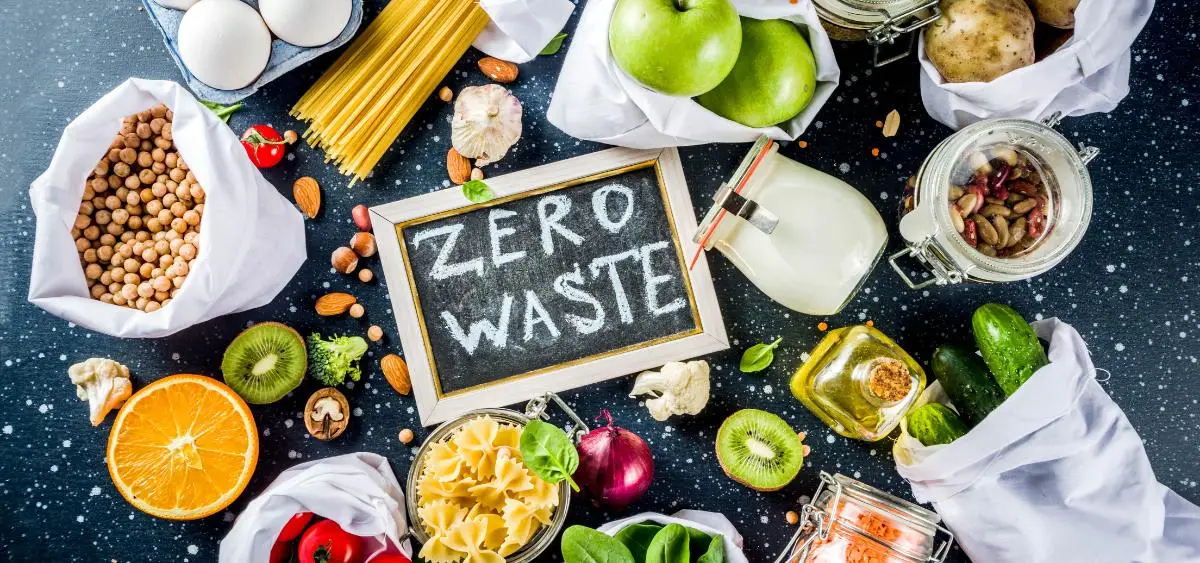

Are you ready to make a real difference, starting with your trash can? The Zero Waste Challenge is a global movement that proves sustainable living doesn’t have to be complicated. With small, daily shifts in how we consume, we can create a cleaner, greener world. Whether you’re just curious or committed to change, this guide is your first step toward a zero waste lifestyle.
Also, read: The Dead Sea Crisis Explained: Nature’s Wonder at Risk
What is the Zero Waste Challenge?
A Zero Waste Challenge is basically a way to become more aware of the waste you create every day and slowly start reducing it. It’s not about being perfect or producing zero trash, that’s honestly very hard in today’s world. Instead, it’s about taking small, practical steps to waste less and make better everyday choices.
Think of it like this: instead of just using things and throwing them away without thinking, you start asking yourself – “Do I really need this?” or “Is there a better alternative?” Over time, this shifts your habits from a “use and throw” lifestyle to a more mindful and responsible way of living. You don’t need to change everything overnight. It’s about buying less, reusing what you already have, and avoiding waste wherever you can.
Also, read: Turning Storm-Damaged Wood into Music and Hope – VAIA Cube
The Core Principle: The 5R Rule
At the heart of the Zero Waste Challenge is a simple rule called the 5Rs. These are easy to understand and follow in daily life:
- Refuse – Say no to things you don’t really need, like plastic bags or unnecessary packaging
- Reduce – Try to use less and avoid overbuying
- Reuse – Use items again and again instead of throwing them away
- Recycle – Recycle what you can’t reuse
- Rot – Compost food waste and organic materials
👉 The order matters here. First try to refuse and reduce, because recycling alone is not enough and is often over-relied on.
How to Start a Zero Waste Lifestyle
Starting a zero waste lifestyle can feel overwhelming at first, but it really doesn’t have to be. You don’t need to throw away everything you own or suddenly become “perfect.” The best way to begin is by taking small, practical steps and building habits gradually.
- Start with Awareness: The first step is simply paying attention to your daily habits and noticing what you throw away most often. When you become aware of your waste, whether it’s plastic packaging, food scraps, or disposable items, you can start making better choices to reduce it.
- Focus on Easy Swaps: Instead of changing everything at once, begin with small and simple swaps that fit easily into your routine. Replacing plastic bags with cloth ones or using a reusable bottle may seem basic, but these changes are easy to maintain and create a strong foundation.
- Use What You Already Have: A common mistake is rushing to buy new eco-friendly products, which can actually create more waste. A better approach is to use what you already own and only switch to sustainable alternatives when something needs replacing.
- Reduce Food Waste First: Food waste is one of the biggest contributors to household waste, yet it’s often the easiest to control. By planning meals, storing food properly, and using leftovers wisely, you can significantly cut down waste while also saving money.
- Buy Less, Choose Better: Before making any purchase, take a moment to question whether you truly need the item. When you do buy something, choose products that are durable, reusable, and have minimal packaging, focusing on quality over quantity.
- Build a Simple Routine: Creating a daily routine with small habits makes sustainable living much easier to follow. Carrying reusable items, avoiding single-use products, and planning purchases in advance help you stay consistent without feeling overwhelmed.
- Don’t Aim for Perfection: Zero waste living is not about being perfect but about making better choices over time. You may not always get it right, but staying consistent and improving gradually is what truly creates a lasting impact.
Starting a zero waste lifestyle is all about mindset and consistency. When you begin to think more consciously about what you use and waste, even small steps can lead to meaningful, long-term change.
Also, read: The Truth About Climate Change: What They’re Not Telling You
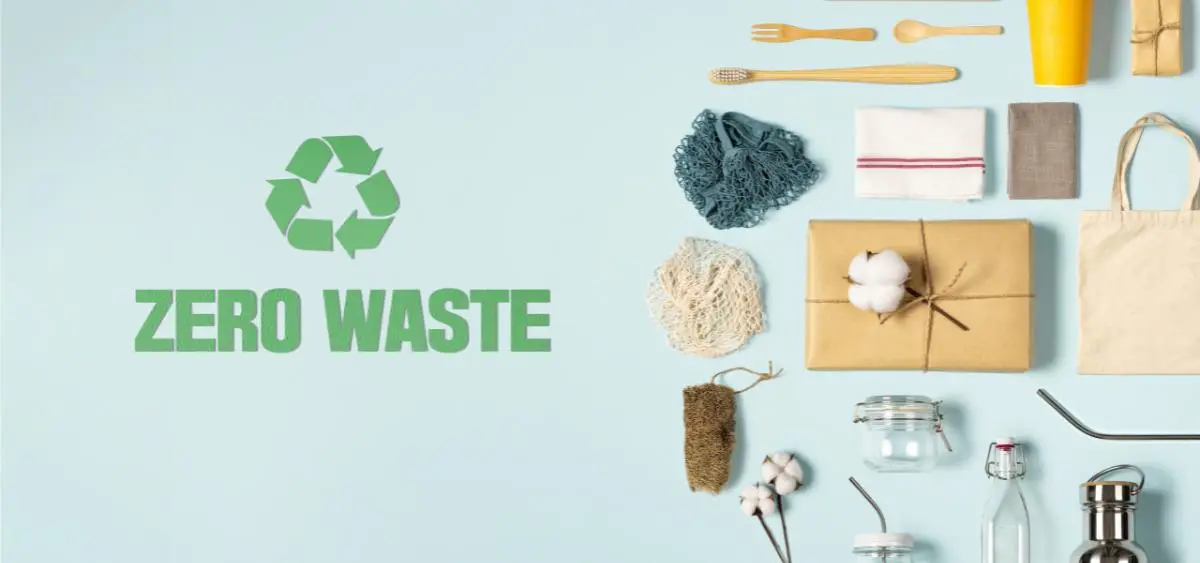
30 Day Zero Waste Challenge
Want to keep it fun and structured? Try the 30 Day Zero Waste Challenge. Each day, focus on one small habit:
Week 1: Awareness & Easy Swaps
- Day 1: Track everything you throw away today to understand your waste habits.
- Day 2: Carry a reusable bag whenever you step out.
- Day 3: Switch to a reusable water bottle.
- Day 4: Say no to plastic straws and disposable cutlery.
- Day 5: Choose unpackaged fruits and vegetables while shopping.
- Day 6: Start separating your waste (dry & wet).
- Day 7: Reflect on what changes felt easy and what was difficult.
Week 2: Kitchen & Food Habits
- Day 8: Plan your meals for the week to avoid food waste.
- Day 9: Store food properly to increase its shelf life.
- Day 10: Try buying in bulk to reduce packaging waste.
- Day 11: Cook at home instead of ordering food.
- Day 12: Use leftovers creatively instead of throwing them away.
- Day 13: Avoid overbuying groceries—stick to your list.
- Day 14: Do a low-waste grocery shopping day.
Week 3: Lifestyle & Personal Care
- Day 15: Switch to a reusable or eco-friendly personal care product.
- Day 16: Avoid single-use beauty or hygiene products.
- Day 17: Declutter your space and separate items to donate.
- Day 18: Donate or give away things you don’t use.
- Day 19: Try buying something second-hand instead of new.
- Day 20: Attempt a completely plastic-free day.
- Day 21: Review your wardrobe and avoid fast fashion purchases.
Week 4: Long-Term Habits
- Day 22: Repair something instead of replacing it.
- Day 23: Create a small zero-waste kit (bag, bottle, spoon).
- Day 24: Reduce packaging waste from online shopping.
- Day 25: Go paperless where possible (bills, notes).
- Day 26: Support local or small businesses.
- Day 27: Share your learning with someone else.
- Day 28: Review how much waste you’ve reduced so far.
- Day 29: Identify habits you want to continue long-term.
- Day 30: Celebrate your progress and commit to sustainable living.
Also, read: From Plastic to Purpose: A Thoughtful List of Sustainable Swaps
Zero Waste Tips for Beginners
Here are some practical zero waste hacks to make the process easier:
- Keep a “to-go” kit with utensils, a water bottle, and a cloth napkin.
- Choose glass or metal over plastic when buying goods.
- Learn basic DIY recipes for toothpaste, soap, and detergents.
- Donate or sell items you no longer need.
- Shop secondhand to give products a second life.
These habits slowly lead you to a zero waste home without overwhelming change.
Why the Zero Waste Lifestyle Matters
The average person generates over 2 kg of waste per day. Much of it ends up in oceans or incineration. Living with intention helps you reduce household waste, save money, and preserve natural resources.
According to Tru Earth, the rise in consumer waste is deeply linked to single-use packaging and fast fashion. But the solution starts at home. When you commit to minimal waste living, you contribute to a circular economy where nothing is wasted.
Also, read: Renewable Energy: Powering a Sustainable Future
Your Daily Eco-Friendly Routine
An eco-friendly routine doesn’t take big sacrifices, it just needs small, conscious choices throughout your day. By making simple swaps in your daily habits, you can reduce waste, save resources, and live more sustainably without stress.
1. Morning: Start with Low-Waste Habits
Swap disposable items for reusables like cloth towels and refillable products to cut daily waste effortlessly. Small morning changes create long-term impact because they’re repeated every single day.
2. Midday: Be Mindful with Food & Consumption
Meal prep and proper storage help reduce food waste and avoid unnecessary packaged purchases. Planning your meals saves money, time, and prevents impulsive, wasteful choices.
3. Afternoon: Choose Smarter Mobility
Walking or cycling short distances reduces your carbon footprint and improves your health. Even small transport changes, when done daily, make a significant environmental difference.
4. Evening: Repair, Reuse & Reflect
Fix or reuse items instead of replacing them to minimize waste and extend product life. Taking a moment to reflect helps you build awareness and improve your habits over time.
It’s a Lifestyle, Not a Task, eco-friendly living is about consistency, not perfection. By adopting these small habits, you contribute to a growing global shift toward sustainability.
Reaching Your Zero Waste Goal
Everyone’s zero waste goal looks different. You might want to cut out plastic, reduce food waste, or live more minimally. The key is staying consistent and curious.
Celebrate your wins, no matter how small. Share your journey with others. Inspire your family, friends, and community to start their own eco-conscious living challenge.
Also, read: Cigarette Butts to Adorable Creation? This Innovation Is Genius!
Conclusion
The Zero Waste Challenge isn’t about being perfect. It’s about being mindful. Each small change you make adds up to a major shift in how we care for the planet. Whether you’re starting with reusable bags or committing to a full 30-day zero waste challenge, you’re on the path to living more sustainably. Ready to make the change? Let’s reduce, reuse, rethink together.
Also, read: What Is the Dead Sea and Why Doesn’t Anything Live in It?
FAQs
1. Do I have to go completely zero waste to join the challenge?
Not at all! The goal is progress, not perfection. Even small changes, like using a reusable bag or avoiding plastic bottles count. The challenge is about learning and improving step by step.
2. Is the Zero Waste Challenge expensive to follow?
No, in fact, it can save you money. You’ll buy less, reuse more, and make smarter choices. Many zero waste swaps, like using cloth napkins or bulk buying are cost-effective in the long run.
3. Can families participate in the challenge together?
Yes! The challenge is family-friendly. In fact, involving kids can make it fun and educational. You can assign daily tasks, like separating recyclables or packing waste-free lunches.
4. How can I track my progress during the challenge?
Use a zero waste journal, a printable tracker, or mobile apps to log your daily actions. Reflecting on your progress helps build long-lasting habits.
5. Does zero waste also mean zero emissions or zero carbon footprint?
Not exactly. While they are related, zero waste focuses on physical waste, while carbon neutrality relates to greenhouse gas emissions. However, many zero waste actions also help lower your carbon footprint.