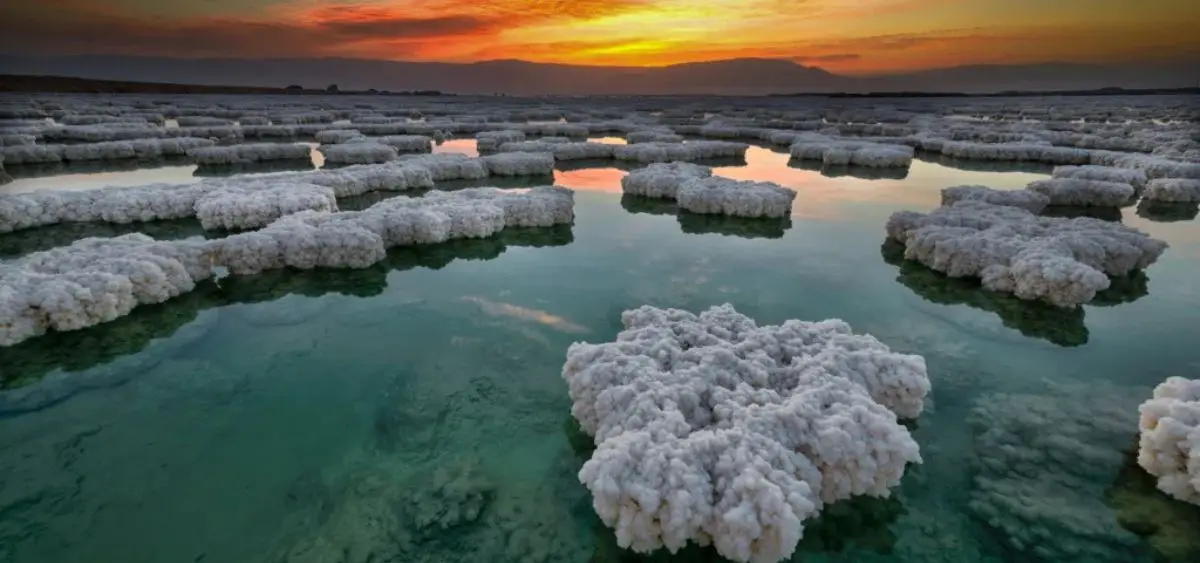

Have you ever heard of a place where you can float without swimming, where no fish can survive, and the salt sparkles under the sun like crystals? Welcome to the Dead Sea, a breathtaking wonder of nature that’s as mysterious as it is magical. This salty lake isn’t just famous for its float-friendly waters; it hides ancient secrets, healing minerals, and a rapidly disappearing landscape that scientists and travelers alike are racing to understand.
But why is it called the Dead Sea? Can you really float like a boat? And is it true that the sea is dying?
Dive into this blog to uncover the most fascinating facts, the science behind the salt, and surprising truths that will change how you look at this iconic destination forever.
Also, read: Cigarette Butts to Adorable Creation? This Innovation Is Genius!
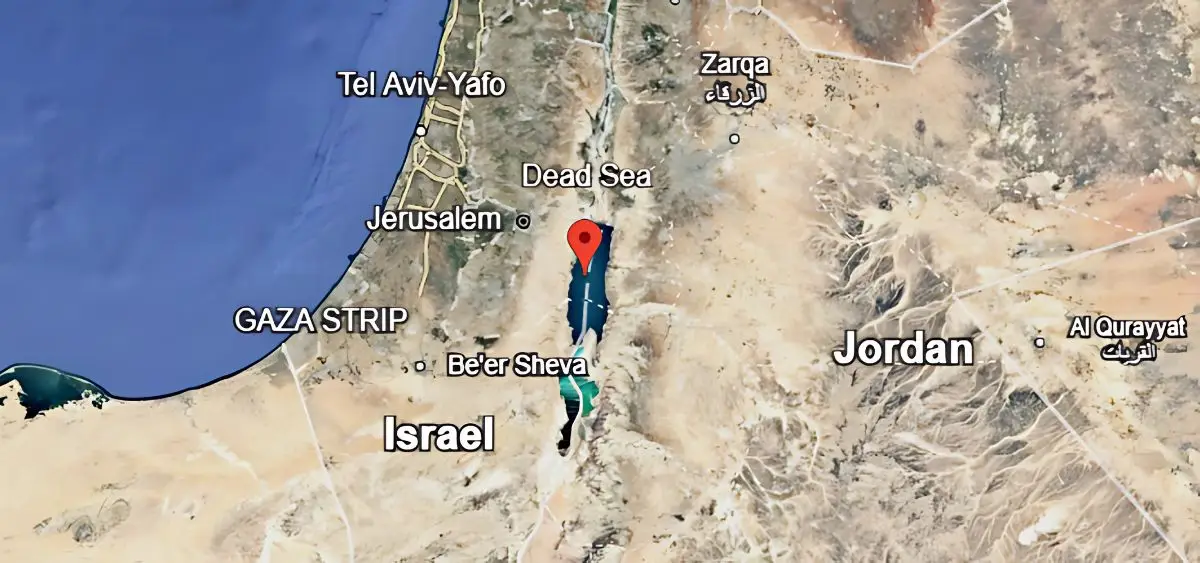
What is Dead Sea?
The Dead Sea is one of the most extraordinary and fascinating places on our planet. Although it is referred to as a “sea,” it is actually a saltwater lake, and one of the saltiest lakes on the planet. Nestled in the heart of the Middle East, it lies between Israel, Jordan, and the West Bank, forming a natural border and attracting global attention for its unique properties.
What truly sets the Dead Sea apart is not just its salinity, but its geographic location. It rests in the Jordan Rift Valley, making it the lowest point on Earth’s surface on land — over 430 meters (1,410 feet) below sea level. This unusual positioning, combined with the desert climate, has led to high evaporation rates and an incredible buildup of salt and minerals over thousands of years.
The Dead Sea gets its name from the bizarre environment in which no fish or other aquatic life can live. While it’s largely lifeless beneath the surface, the surrounding region is full of life. It’s a major hub for tourists, scientists, and health seekers looking to explore its natural wonders, historical sites, and healing waters.
Also, read: Global Crisis! Impact of Climate Change Are Worse Than Expected
Why Is It Called the Dead Sea?
It gets its name because nothing can live in its water. The salt levels are too high for most life forms. That’s why it’s called the Dead Sea. The salinity is about 10 times saltier than ocean water, which creates a harsh environment for plants, fish, and other aquatic creatures.
So, what lives in the Dead Sea? Very little. Some types of microbes or micro organisms and bacteria can survive, but no fish, algae, or seaweed live in its salty water.
Why Is the Dead Sea So Salty?
Dead Sea is so salty because it has no outlet. Water flows in from the Jordan River and nearby streams, but it doesn’t flow out. Instead, it evaporates in the hot desert sun, leaving behind salt and minerals.
Over time, this process has built up massive amounts of salt and minerals. That’s why the salt concentration is so high, making it one of the saltiest bodies of water in the world.
Also, read: The Incredible Benefits of Gardening for Just One Hour a Day
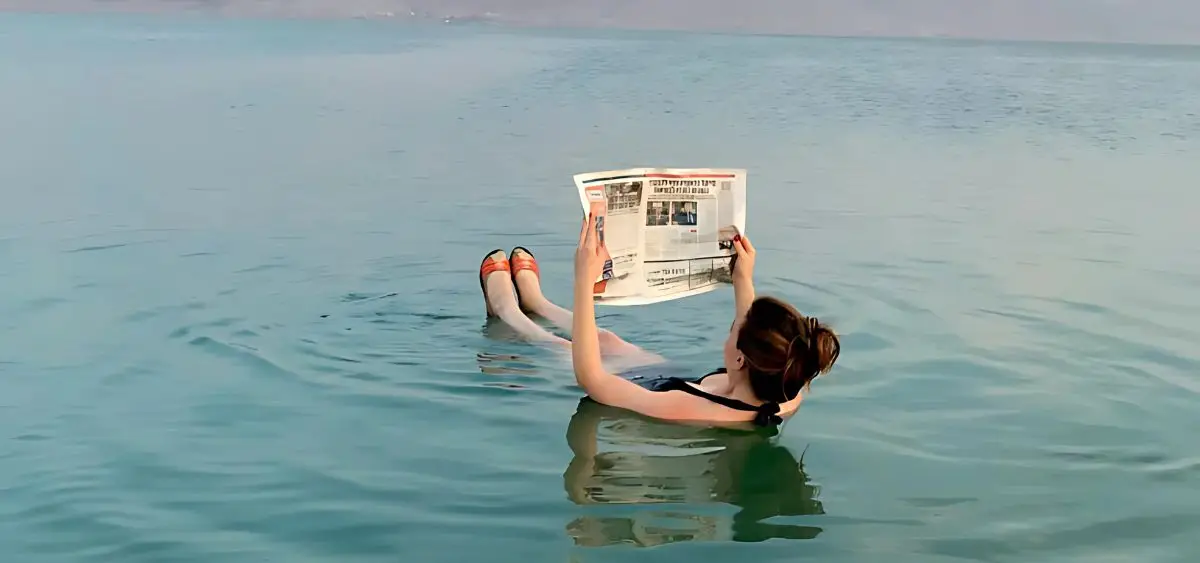
Why don’t you drown in the dead sea?
Yes, you can’t drown in Dead Sea. Thanks to the salt, your body floats naturally. This amazing experience is one of the most famous Dead Sea facts. You don’t need to know how to swim to float here.
However, you should be careful. The salt can sting your eyes and any cuts on your skin. It’s also dangerous to put your head underwater or stay in too long.
Dead Sea Benefits and Health Uses
The Dead Sea benefits are well-known. Its minerals are used in skincare and health products. People from all over the world visit for its healing properties.
- The Dead Sea mud mask is popular for treating acne, eczema or Dermatitis, and other skin problems.
- Dead Sea salt uses include body scrubs, bath soaks, and therapeutic treatments.
- The minerals like magnesium, calcium, and potassium help improve skin hydration and blood circulation.
That’s why the Dead Sea skin care industry is booming worldwide.
Also, read: Turning Storm-Damaged Wood into Music and Hope – VAIA Cube
Dead Sea Tourism and Experience
Dead Sea tourism is a major attraction for Israel and Jordan. Visitors come to float, relax in mineral-rich mud, and enjoy spa treatments. Resorts and wellness centers line the shore. The peaceful desert scenery adds to the experience.
It’s not just about floating. Tourists also explore nearby historical sites and natural landscapes. The mix of wellness and culture makes it a special travel destination.
Dead Sea History and Ancient Mysteries
The Dead Sea history goes back thousands of years. It is mentioned in the Bible and ancient texts. Kings, traders, and explorers once traveled through this region. The minerals were valuable even in ancient times. Many people believe that Sodom and Gomorrah, the ancient cities mentioned in the Bible, were located near the Dead Sea.
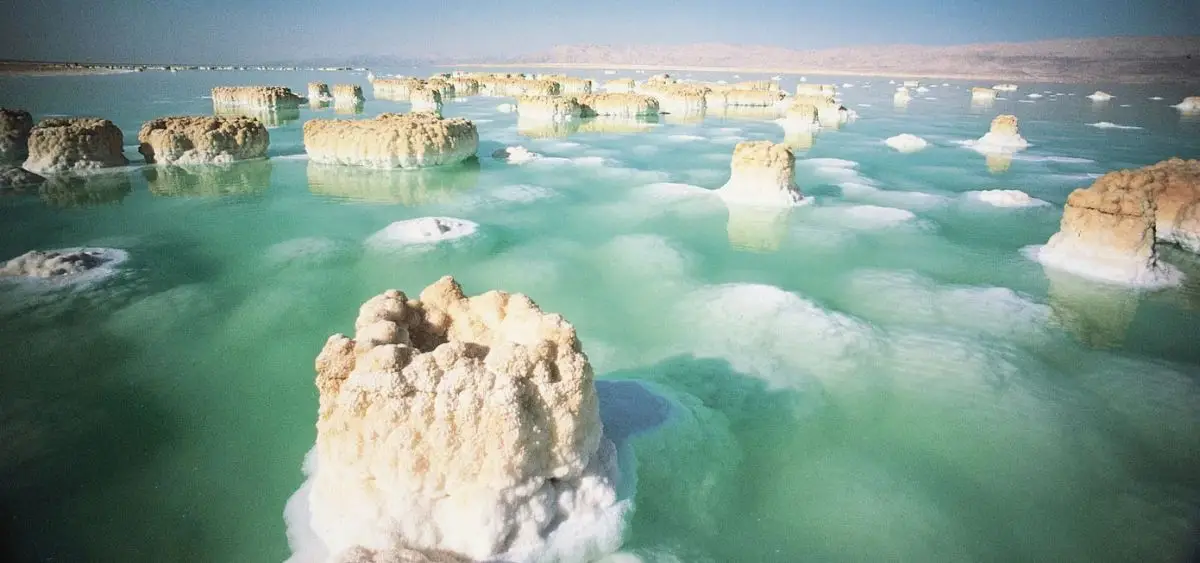
Is the Dead Sea Dying?
Sadly, the Dead Sea is disappearing. Over the last few decades, the water level has dropped by over 30 meters. Water from the Jordan River is being diverted for farming and drinking. This has reduced the inflow into the lake.
Sinkholes are forming near the shores, and the coastline is shrinking. If things don’t change, this natural wonder could vanish in the future.
Also, read: The Truth About Climate Change: What They’re Not Telling You
Conclusion
The Dead Sea is an exciting location. From its high salt levels to its ancient history and medicinal properties, it offers something for everyone. Whether you’re looking for natural beauty, skincare solutions, or just an unforgettable floating experience, the Dead Sea delivers. But it also needs our assistance. As this natural wonder continues to shrink, raising awareness is more important than ever.
Also, read: From Plastic to Purpose: A Thoughtful List of Sustainable Swaps
FAQs
1. What is the Dead Sea famous for?
It’s famous for its extreme saltiness, natural floating, skin-healing minerals, and being the lowest point on Earth’s surface.
2. Is the Dead Sea disappearing?
Yes. The water level is dropping every year due to water diversion and evaporation. Sinkholes are also appearing around it.
3. Can the salt from the Dead Sea be used at home?
Yes! Dead Sea salt is used in many beauty and wellness products, including bath salts, scrubs, and soaps.
4. How salty is the Dead Sea compared to the ocean?
The Dead Sea is about 10 times saltier than regular seawater.
5. Is it safe to visit and float in the Dead Sea?
Yes, but avoid getting the water in your eyes or mouth, and don’t stay in too long, as it can irritate your skin.
6. Are there any dangers near the Dead Sea?
Yes, some areas are unsafe due to sinkholes caused by the shrinking water levels.
Recent Popular Blogs
-
 May 28, 2026
How Patagonia’s “Don’t Buy This Jacket” Promoted Sustainability!
Most brands spend millions trying to convince people to buy more products. Every advertisement, campaign, and discount is designed to increase sales and encourage consumption.Read more -
May 26, 2026
Bhopal’s Viral Algae Tree Might Be the Future of Smart Cities!
Air pollution is becoming a serious issue in cities across the world. Rising vehicle emissions, industrial smoke, and the continuous loss of green spaces areRead more -
May 23, 2026
GOTS vs OEKO-TEX: Confused? Here’s the Simple Difference
When buying clothes, bedsheets, baby clothes, or other fabrics, you may have seen labels like GOTS and OEKO-TEX on products. Many people think these certificationsRead more