Ever feel like your wardrobe is full, yet you still have “nothing to wear”? That’s exactly where the idea of slow fashion begins. At Earthecobalance, we believe fashion should feel good, not just look good, and in this Slow Fashion Guide, we’re going to walk through how to build a sustainable wardrobe step by step without overcomplicating your life.
Think of this as a friendly, no-judgment conversation where we break down everything, from understanding what slow fashion really means, to creating a capsule wardrobe, choosing better-quality pieces, and even finding affordable sustainable clothing brands that actually fit your style.
We’ll also talk about common mistakes, how to stop impulse buying, and simple shifts that can make your fashion choices more conscious (and budget-friendly). If you’ve been curious about moving away from fast fashion but didn’t know where to start, you’re in the right place, we’ve got you covered.
What is Slow Fashion?
Slow fashion is basically the opposite of the “buy more, buy fast, throw away quickly” culture we’ve all grown up with. Instead of chasing trends that change every week, slow fashion focuses on buying fewer clothes, but choosing better quality pieces that last longer. It’s about being more mindful with what you wear, thinking about where your clothes come from, who made them, and how long they will actually stay useful in your wardrobe.
At its core, slow fashion is not just about clothing, it’s about a mindset shift. It encourages you to move away from impulse shopping and start building a wardrobe that reflects your personal style rather than seasonal trends. This means investing in timeless pieces, re-wearing outfits in creative ways, and choosing sustainable fabrics and ethical brands.
Another important part of slow fashion is reducing waste. The fashion industry is one of the biggest contributors to environmental pollution, and a lot of that comes from overproduction and overconsumption. Slow fashion tries to fix that by encouraging us to value what we already have, repair instead of replace, and buy only when something is truly needed.
In simple words, slow fashion is about dressing with intention. It’s not about having less style, it’s about having more meaning behind every piece you wear.
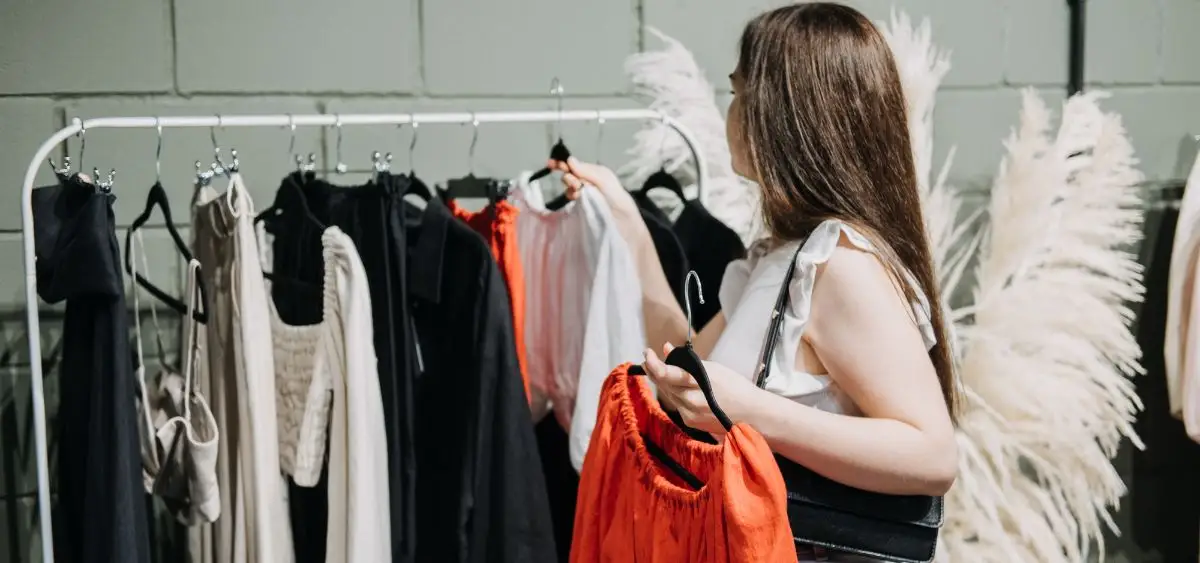
Why Slow Fashion matters? (Importance of Slow Fashion)
Slow fashion matters today more than ever because the way we consume clothing has completely changed in the last decade. Fast fashion made it easy to buy cheap clothes instantly, but it also created a system where clothes are treated as “disposable” rather than valuable. This shift is now being questioned by consumers, brands, and even governments, because its impact is too big to ignore.
- One of the biggest reasons this change is happening is the environmental damage caused by fast fashion. Massive production cycles lead to excessive water usage, textile waste, and pollution from dyeing processes.
- Another major issue is overconsumption. Social media trends, influencer culture, and fast-changing fashion cycles have pushed people into a habit of buying more than they actually need. Most wardrobes are filled with unused or barely worn clothes. This is where slow fashion steps in and asks a simple question: “Do you really need another outfit, or are you just reacting to a trend?”
There is also a clear shift from cost mindset to value mindset. Earlier, people focused on buying cheap clothes. Now, more people are realizing that buying one high-quality piece that lasts years is actually more economical than replacing cheap items every few months. As the saying goes:
“Buy less, choose well, make it last.”
Finally, slow fashion brings back something we’ve lost, an emotional connection with clothes. Instead of treating outfits as temporary, people are starting to value the stories behind what they wear. A well-made outfit becomes something you care for, reuse, and even repair instead of throwing away. This creates a more personal and meaningful relationship with fashion.
How to Start a Slow Fashion Lifestyle (Slow Fashion Beginner’s Guide)
The first step is to pause before buying anything. Most of the time, we buy clothes because of emotions, trends, or discounts, not because we actually need them. “If you don’t need it today, you probably won’t need it tomorrow.” Also, we often keep or buy clothes because of memories or how they make us feel. Slow fashion helps you notice this so you can make better and more thoughtful choices.
1. Check your wardrobe
Before buying new clothes, look at what you already have.
- Separate clothes you wear often, sometimes, and never
- Spot similar or repeated items
- Remove clothes that don’t fit your current lifestyle
You’ll realize you already have enough, you just need to use it better.
2. Identify your personal style
Slow fashion is easier when you understand your own style instead of following trends. Ask yourself:
- What colors do I like most?
- What outfits make me feel good?
- Do I prefer simple, casual, or bold clothes?
When you know your style, you stop buying randomly.
3. Buy only what you need
Start buying with intention, not impulse.
- Choose clothes that go with many outfits
- Focus on quality, not quantity
- Don’t buy duplicates or trend-based pieces
- Always ask: “Will I really wear this?”
“A good wardrobe is built with smart choices, not constant shopping.”
Why everyone is talking about Capsule Wardrobe?
A capsule wardrobe is a small, carefully selected collection of clothing pieces that all work well together. Instead of having a crowded wardrobe full of random clothes, you keep only versatile, timeless items that can be mixed and matched easily. The idea is simple, less clothing, more outfit combinations.
So how many pieces do you actually need? There’s no strict rule, but a practical capsule wardrobe usually has around 25 to 40 pieces for a season. This includes tops, bottoms, outerwear, and a few pairs of shoes. The goal is not limitation, but clarity, everything you own should be something you actually wear.
The biggest benefit of a minimal wardrobe is effortless dressing. You save time, reduce decision fatigue, and stop wasting money on clothes you barely use. It also helps you develop a clearer personal style and reduces fashion waste because you’re no longer constantly buying new trends.
How to Identify Sustainable & Ethical Clothing Brands
Choosing a sustainable brand isn’t just about labels or “eco-friendly” claims, it’s about looking deeper into how the brand actually operates. Many brands use green marketing, but real sustainability shows up in quality, transparency, and ethical practices.
1. What to look for in brands?
Start by checking how the brand communicates about its products. Ethical clothing brands are usually open about where their clothes are made, who makes them, and what materials are used. If a brand is vague or only focuses on aesthetics without any production details, that’s a red flag. Also, look for brands that focus on timeless designs instead of constantly pushing fast-changing trends.
2. Fabric quality check
Fabric plays a huge role in sustainability. Good quality fabrics last longer, which means less waste and fewer replacements. Look for materials like organic cotton, linen, hemp, or recycled fabrics. Avoid clothes that feel overly synthetic or thin because they tend to wear out quickly. A simple trick is to feel the fabric, sustainable clothing usually has a more natural, durable texture. If you want to know more about sustainble fabrics read this blog – Click Here. In this blog we discussed in detail about 10 eco-friendly fabrics.
3. Ethical production signs
Ethical brands care about the people making the clothes. Check if the brand mentions fair wages, safe working conditions, and responsible factories. Some brands even share stories or images of their workers or workshops. If a company never talks about how or where their products are made, it’s worth questioning their ethics.
4. Certifications & transparency
Certifications can help you identify genuinely sustainable brands. Look for labels like GOTS (Global Organic Textile Standard), Fair Trade Certified, or OEKO-TEX. These indicate that the brand meets certain environmental and ethical standards. But don’t rely only on logos, true transparency also means the brand openly shares its supply chain and sustainability efforts.
Affordable Slow Fashion Tips (Budget-Friendly Guide)
Slow fashion doesn’t mean spending more money, it means spending smarter. You don’t need a big budget to build a sustainable wardrobe. In fact, some of the best slow fashion habits actually help you save money while still upgrading your style.
- Thrift shopping & second-hand fashion is one of the easiest ways to start. You can find high-quality, unique pieces at a fraction of the original price. Plus, you’re giving clothes a second life instead of contributing to waste. Look for classic items like denim, jackets, or shirts that don’t go out of style.
- When it comes to buying during sales, the key is to stay intentional. Don’t buy something just because it’s cheap, buy it only if it truly fits your wardrobe and you know you’ll wear it often. A good rule is if you wouldn’t buy it at full price, you probably don’t need it.
- Re-styling old clothes is where creativity comes in. Try pairing your existing pieces in new ways, layering outfits, or even making small changes like tucking, rolling, or accessorizing differently. You’ll be surprised how many “new” outfits you can create without buying anything new.
- For special events, renting clothes is a smart option. Instead of buying expensive outfits you’ll only wear once, you can rent stylish pieces for a fraction of the cost. It’s budget-friendly and helps reduce unnecessary consumption.
Common Mistakes People Make in Slow Fashion
Slow fashion sounds simple, but a lot of people unknowingly make mistakes that defeat its whole purpose. Let’s clear those up so you can do it the right way from the start.
1. Buying too many “basic” items again
Basics are important, but buying 10 white t-shirts won’t make your wardrobe sustainable. Many people declutter fast fashion pieces and then overcompensate by buying too many “minimal” basics. The goal is balance, not replacing clutter with a different type of clutter. Choose a few high-quality essentials that you actually wear often.
2. Following trends blindly
Switching from fast fashion doesn’t mean chasing “slow fashion trends.” If you keep buying items just because they’re trending (even if they’re labeled sustainable), you’re still stuck in the same cycle. Slow fashion is about personal style, not trend pressure. If it doesn’t feel like you, it doesn’t belong in your wardrobe.
3. Ignoring fabric quality
Not all clothes are created equal. Two similar-looking pieces can have completely different lifespans depending on fabric and stitching. Many beginners focus only on “brand” or “aesthetic” and ignore material. Prioritize durable fabrics like cotton, linen, or wool and check stitching, fit, and feel before buying.
4. Not maintaining clothes properly
Even high-quality clothes won’t last if you don’t take care of them. Washing everything the same way, over-washing, or ignoring small repairs can shorten the life of your wardrobe. Slow fashion also means maintaining what you own, gentle washing, proper storage, and fixing minor damages instead of replacing items.
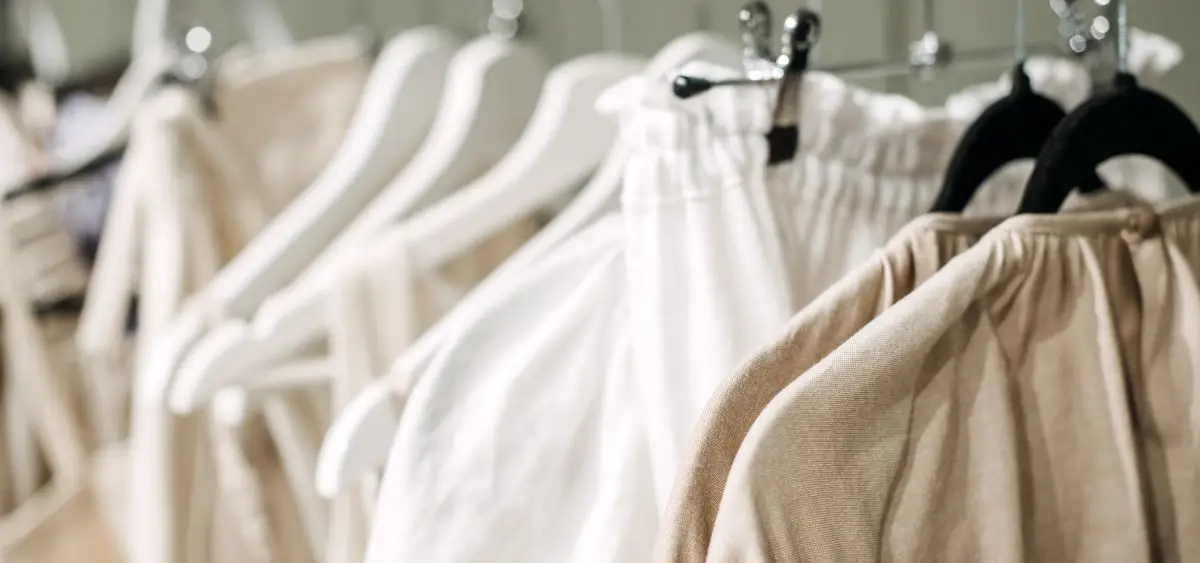
Easy Habits to Maintain a Sustainable Wardrobe
Building a sustainable wardrobe is one thing, but maintaining it is where the real change happens. The good news? You don’t need big efforts, just a few simple habits that make a long-term difference.
1. Washing clothes properly
Most of us over-wash our clothes without realizing it. Washing less frequently, using cold water, and air-drying can help your clothes last much longer. It also saves energy and keeps fabrics in better condition over time.
2. Repairing instead of replacing
A loose button or small tear doesn’t mean the end of a garment. Learning basic repairs or getting them fixed can extend the life of your clothes significantly. It’s a small step that reduces waste and saves money.
3. Repeating outfits confidently
There’s absolutely nothing wrong with re-wearing outfits. In fact, it’s a core part of slow fashion. When you build a wardrobe you truly love, repeating outfits becomes easy and stylish. It’s not about wearing something new every time, but wearing what suits you best.
4. Conscious shopping mindset
Before buying anything new, ask yourself: Do I really need this? Will I wear it often? Does it match my existing wardrobe? This simple pause can help you avoid impulse purchases and make more thoughtful decisions.
Conclusion
Shifting to slow fashion doesn’t happen overnight and it doesn’t need to. Small steps matter. Even tiny changes, like buying one less item or re-wearing clothes more often, can create a big impact over time.
It’s important to remember that slow fashion is not about restriction or giving up style. It’s about being more intentional, choosing what truly adds value to your life, and feeling good about the choices you make.
Start where you are, with what you have. You don’t need a perfect wardrobe to begin, just a willingness to change your approach. Over time, these small, mindful steps will naturally lead you towards a more sustainable, confident, and meaningful way of dressing.
FAQs
Is slow fashion expensive?
Not necessarily. While some sustainable brands can be pricey, slow fashion actually helps you save money in the long run because you buy fewer, better-quality pieces that last longer.
Can I follow slow fashion on a budget?
Yes, absolutely. You can start by shopping from your own wardrobe, thrifting, buying during sales, or re-styling old outfits. Slow fashion is more about mindset than money.
What is the difference between fast fashion and slow fashion?
Fast fashion focuses on cheap, trendy clothes produced quickly, often with low quality. Slow fashion focuses on quality, sustainability, and ethical production, encouraging mindful buying.
How do I start a slow fashion lifestyle?
Start small – declutter your wardrobe, understand your style, stop impulse buying, and choose versatile pieces. You don’t need to change everything at once.
How many clothes should I have in a sustainable wardrobe?
There’s no fixed number, but a capsule wardrobe of 25–40 pieces per season is a good starting point. The focus should be on usability, not quantity.
Do I need to throw away my old clothes to start?
No, that’s actually against the idea of slow fashion. The best thing you can do is use what you already have, and slowly make better choices moving forward.