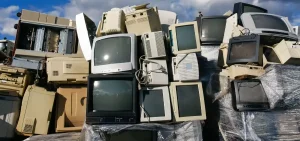
Imagine driving your electric car on a highway, powered by a lithium-ion battery. It feels like the future, right? But what happens when that battery stops working after years of use? In 2026, the answer is simple and exciting, battery recycling. Instead of throwing old batteries away, we can recycle them and turn them into valuable resources again. This helps keep our planet clean and supports a stronger energy system.
Battery recycling is no longer just a good idea, it has become a necessary solution. With the rapid growth of electric vehicles, renewable energy storage, and electronic devices, more batteries are reaching the end of their life. Proper recycling helps prevent pollution and allows us to recover valuable materials from used batteries. Let’s understand how lithium battery recycling works, why it is important, and how it can create a better future.
Why Battery Recycling Is More Important Than Ever?
Today, the world is using electric vehicles more than ever before. As EV adoption grows, millions of batteries will eventually reach the end of their life. If these batteries are not handled properly, they can cause environmental problems such as toxic leaks, pollution, or even fires. This is where battery recycling becomes essential. Recycling helps reduce the need to mine new materials like lithium, cobalt, and nickel. It also lowers carbon emissions and supports a more sustainable supply chain.
The lithium-ion battery recycling industry is growing rapidly. Experts expect the market to reach billions of dollars and expand even more by 2035. This growth is driven by increasing EV sales, stricter environmental rules, and the demand for sustainable solutions. Recycling also helps countries reduce dependence on imported raw materials and creates new jobs in collection, processing, and recycling technology.
What Is Lithium-Ion Battery Recycling?
Lithium-ion battery recycling is the process of collecting, breaking down, and recovering materials from used batteries. This includes everything from small batteries in smartphones to large battery packs used in electric vehicles and energy storage systems.
Instead of throwing batteries into landfills, which can cause pollution and fire risks, recycling focuses on recovering valuable materials. In modern recycling facilities, companies can recover up to 95% of important metals. These recovered materials can then be used to make new batteries, reducing the need for new mining.
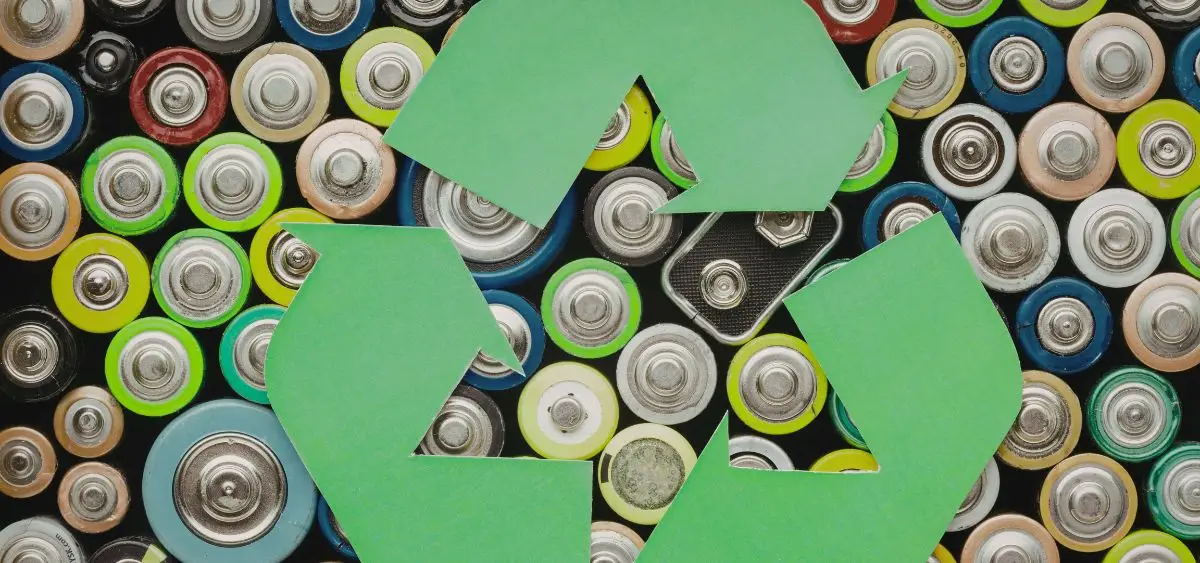
How the Battery Recycling Process Works?
The battery recycling process follows several important steps. First is collection. Used batteries are collected through recycling centers, retailers, or manufacturer take-back programs. Next, the batteries are safely discharged to remove any remaining electricity. Then comes dismantling, where the outer casing and components like aluminum, copper, and plastics are separated for reuse.
After this, the battery cells are crushed and processed into a powder called “black mass.” This material contains valuable metals such as lithium, cobalt, nickel, and graphite. Advanced recycling methods are then used to extract these metals. Some processes use chemical solutions, while others use heat or newer physical recycling techniques.
Finally, the recovered metals are purified and reused to manufacture new lithium-ion batteries. Modern recycling plants also use safety systems like emission controls and wastewater treatment to protect the environment.
Benefits of Sustainable Battery Recycling
Battery recycling offers many benefits for the environment, economy, and natural resources. Environmentally, it reduces the damage caused by mining and prevents harmful materials from entering landfills. Recycling also lowers carbon emissions because producing batteries from recycled materials requires less energy.
Economically, recycling creates jobs and helps companies recover valuable materials instead of paying for disposal. From a resource perspective, it helps ensure that important materials like lithium and cobalt remain available for future technologies. This approach supports a circular economy, where materials are reused again and again instead of being wasted.
New Technologies Improving Battery Recycling
Technology is making battery recycling faster and more efficient. Modern facilities combine mechanical processes with chemical extraction methods to recover metals more effectively. New innovations are also being developed, including biological recycling methods that use microorganisms to extract metals in an environmentally friendly way. Artificial intelligence is also helping recycling plants sort different battery types automatically, making the process safer and more efficient. These advancements are helping the recycling industry scale up to handle the growing number of batteries worldwide.
Creating a Circular Economy for Batteries
Battery recycling plays a key role in building a circular economy. Instead of the traditional “make, use, and throw away” model, recycling creates a loop where materials from old batteries are reused to make new ones. Car manufacturers are now partnering with recycling companies to ensure their batteries are properly recycled at the end of their life. This approach reduces waste, stabilizes material supply, and supports long-term sustainability.
Challenges and Solutions
Despite its benefits, battery recycling still faces some challenges. Collection systems need improvement in many regions. Handling batteries safely requires strict procedures because they can be flammable. Different battery types also make sorting more complicated.
However, many solutions are emerging. Governments are supporting recycling facilities, companies are designing batteries that are easier to dismantle, and automation is making recycling safer. Public awareness is also increasing, encouraging people to recycle their used batteries responsibly.
How You Can Support Battery Recycling?
Everyone can play a role in supporting battery recycling. If you own an electric vehicle, check if your dealer offers a battery take-back program. Businesses using battery systems should partner with certified recycling companies. Renewable energy users should also ask installers about end-of-life plans for battery storage systems. Small actions like these can make a big difference for the environment.
The Future of Battery Recycling
The future of battery recycling looks very promising. Experts predict the industry will grow rapidly and could be worth tens of billions of dollars within the next decade. New technologies will improve recovery rates and reduce the need for mining raw materials. As the world moves toward clean energy and electric transportation, battery recycling will become a critical part of building a sustainable energy system.
Conclusion
Lithium battery recycling is truly a smart solution to battery waste. It protects the environment, saves valuable resources, supports the economy, and helps power the clean energy future. The next time you think about your electric vehicle or energy storage system, remember that batteries don’t have to become waste. With proper recycling, they can become the power source for the next generation of clean technology. The future is electric, and with battery recycling, it can also be sustainable and circular.
Also, read: Environment Friendly Shopping Hacks That Even Lazy People Can Do!
Also, read: Recycling Revolution: Easy Ways to Make a Lasting Impact!
Also, read: Iran War Climate Impact: How Conflict Is Damaging the Planet
Also, read: Top 5 Sustainability Books Everyone Should Read in 2026!
Also, read: Environmental Footprint of Animal Products You Should Know!
Also, read: AI in Wildlife Conservation: The New Hope for Endangered Species