Many people don’t realize how serious the Iran war climate impact can be. When we hear about war, we usually think about politics, security, or human loss. But wars also damage the environment in ways that affect the entire planet.
As fighting continues into 2026, explosions, fires, and destroyed buildings are releasing huge amounts of pollution into the air, water, and soil. This is not only a problem for the Middle East. The environmental effects of war can spread far beyond borders.
Smoke travels across countries. Oil spills reach oceans. Extra greenhouse gases warm the planet. That is why the climate impact of the Iran conflict matters to people everywhere. Let’s look at what is really happening in simple terms and why it matters for all of us.
Oil Fires and Toxic Smoke in the Air
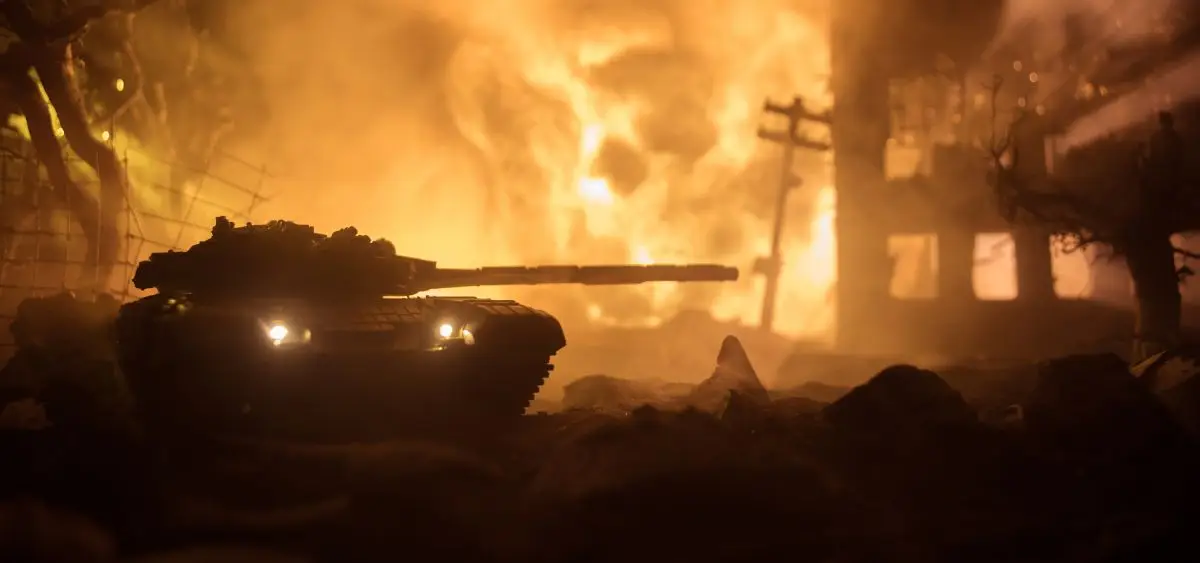
One of the biggest environmental problems during war is oil fires. When missiles or bombs hit oil storage tanks or refineries, huge fires can start. Imagine large tanks full of oil burning for days. Thick black smoke rises into the sky and spreads across nearby cities. The smoke contains harmful chemicals, tiny particles, and toxic gases that can damage people’s lungs.
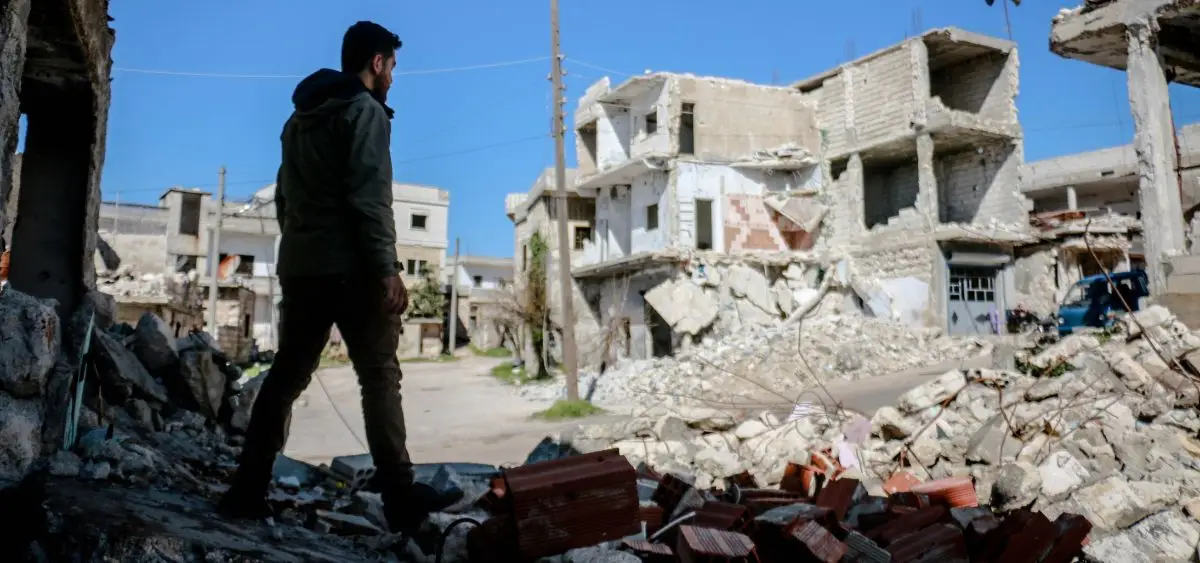
In areas near Tehran and other industrial locations, fires from damaged oil facilities have sent clouds of pollution into the air. These clouds can travel far with the wind. What starts in one region can move across borders and even reach other continents. This pollution creates serious air quality problems. People may experience breathing issues, coughing, and other health problems. The environment also suffers because these particles settle on land, water, and plants.
At sea, the situation can become even worse. If ships carrying oil are damaged or sunk during military actions, large amounts of oil can leak into the ocean. These spills spread quickly and harm coral reefs, fish populations, and coastal ecosystems. Marine life can struggle to survive when oil covers the surface of the water. Birds, turtles, and fish often become trapped or poisoned.
Carbon Emissions Increase During War
Another major issue is the rise in carbon emissions. Modern military operations use enormous amounts of fuel. Fighter jets, tanks, warships, and transport vehicles burn huge quantities of oil every day. Each flight, missile launch, and military movement adds more carbon dioxide to the atmosphere.
When oil facilities burn or explode, even more greenhouse gases are released. These gases trap heat in the atmosphere and contribute to global warming. During major conflicts, emissions can rise quickly. In some cases, the pollution created in just a few months of war can equal the annual emissions of smaller countries.
Energy disruptions also make the problem worse. When important oil routes or refineries are damaged, countries sometimes switch to less efficient or dirtier energy sources to meet demand. This can increase emissions even further. The connection between war and climate change is becoming clearer. The more fossil fuels are burned during conflict, the faster global temperatures rise.
Water and Soil Become Contaminated
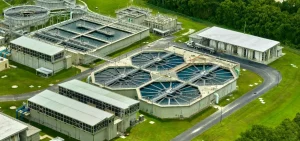
War does not only affect the air. It also damages water and soil. Bombing or missile strikes can destroy water treatment plants and desalination facilities that provide clean drinking water. When these systems break down, chemicals and waste can leak into rivers and oceans.
In coastal regions, desalination plants help provide fresh water for millions of people. If these plants are damaged, chemicals used in the treatment process may spill into nearby waters. Explosions also leave behind dangerous materials. Weapons contain heavy metals, fuels, and explosive chemicals that can seep into the ground.
Over time, these toxins can move into groundwater supplies. Farmers may unknowingly use contaminated water to grow crops. Animals may drink from polluted streams. This creates long-term environmental problems that can last for decades. Even after a war ends, the land and water may remain unsafe for years.
Damage to Ecosystems and Wildlife
The natural environment also suffers greatly during war. The Persian Gulf region is home to important ecosystems such as coral reefs, mangroves, and seagrass beds. These habitats provide shelter for fish, birds, and marine animals. Oil spills, chemical leaks, and pollution can destroy these delicate ecosystems.
When mangroves and seagrass disappear, many marine species lose their homes and breeding areas. Wildlife is particularly vulnerable. Migratory birds may avoid polluted areas during their journeys. Fish populations may decline because of contaminated water. Coral reefs are also sensitive to pollution and temperature changes.
War-related pollution combined with rising ocean temperatures can accelerate coral bleaching. On land, explosions and military bases can damage forests, deserts, and natural habitats. Pollutants can move through the food chain, affecting many species over time. When ecosystems are damaged, nature loses some of its ability to absorb carbon and regulate the climate. This makes climate change even worse.
War and Climate Change Are Connected
Modern wars are heavily dependent on fossil fuels. Tanks, ships, aircraft, and military vehicles all rely on large amounts of oil. When energy infrastructure is destroyed during conflict, countries often rush to restore supplies quickly. This can lead to increased fossil fuel use and weaker environmental protections.
As a result, pollution levels rise and greenhouse gas emissions increase. These emissions trap heat in the atmosphere, contributing to rising global temperatures. Higher temperatures can lead to stronger storms, longer droughts, and changing weather patterns.
Ironically, climate stress can also increase the risk of conflict in some regions. Water shortages, crop failures, and extreme weather events can create tensions between communities and nations. This means that war and climate change can influence each other in a dangerous cycle.
The Human Health Impact
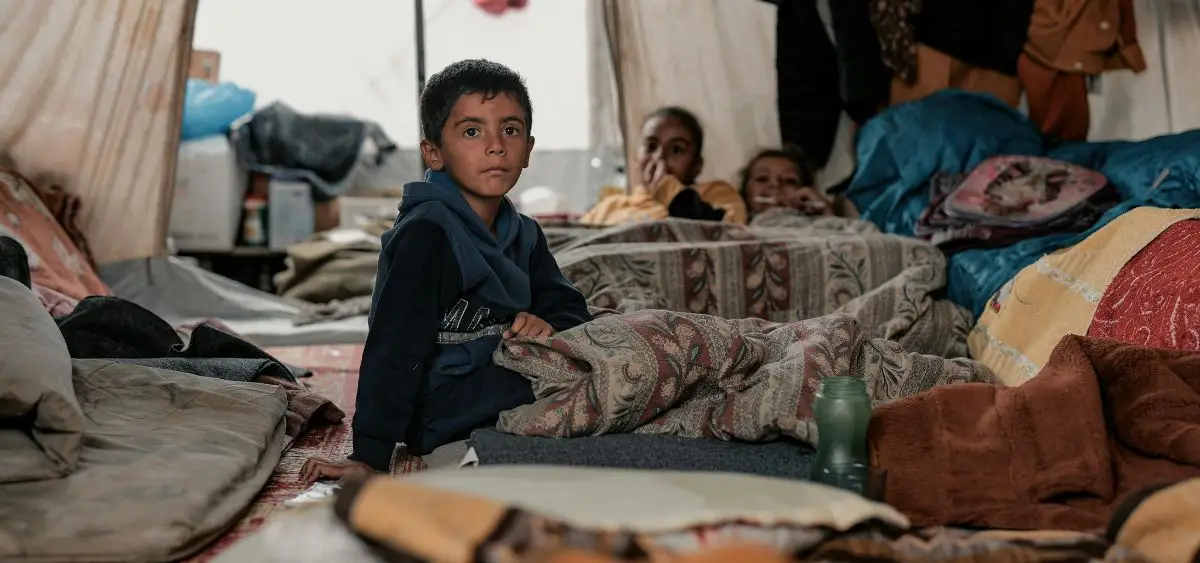
Environmental damage from war directly affects human health. People living near conflict zones often breathe air filled with smoke, dust, and harmful gases. These pollutants can cause breathing problems, heart disease, and other health issues.
Children and elderly people are especially vulnerable to poor air quality. Water contamination also creates serious health risks. Polluted water can spread diseases and make it difficult for communities to grow food safely.
Farmers may find that their crops do not grow well in contaminated soil. Fishermen may lose their livelihoods if fish populations decline or become unsafe to eat. In many cases, poorer communities suffer the most from these environmental problems.
Why the Iran War Climate Impact Matters Globally
The environmental effects of war do not stay within one country. Smoke and pollution can travel thousands of kilometers through the atmosphere. Greenhouse gas emissions affect the entire planet, not just one region. Damage to marine ecosystems can affect global fish supplies. Rising temperatures and changing weather patterns can impact agriculture around the world. This is why the Iran war climate impact is not only a regional issue. It is a global concern that affects everyone.
Steps Toward a Better Future
Reducing the environmental damage of war requires international cooperation. Ceasefires can immediately stop new fires, explosions, and pollution. Protecting critical infrastructure like water plants and energy facilities during conflicts can also reduce environmental harm. In the long term, moving toward renewable energy can help lower dependence on oil infrastructure that often becomes a target during wars. Stronger environmental agreements and post-war cleanup efforts are also important for protecting ecosystems and public health.
Conclusion
The Iran war climate impact reminds us that protecting the environment and maintaining peace are closely connected. When conflicts destroy ecosystems and increase pollution, the whole planet feels the effects. Understanding these impacts is the first step toward creating a safer and more sustainable future. Every effort to reduce emissions, restore damaged ecosystems, and promote peace helps protect the planet we all share.
Also, read: The Glitter That Costs Childhoods: Dark Truth of Mica Mining
Also, read: Billionaire Gives Away $3 Billion Company to Save the Planet!
Also, read: Environment Friendly Shopping Hacks That Even Lazy People Can Do!
Also, read: 8 Eco-Friendly Habits to Reduce Your Carbon Footprint!
Also, read: Top 5 Sustainability Books Everyone Should Read in 2026!