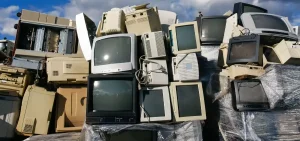
In today’s world, waste is piling up, and natural resources are running out. Repurposing can help tackle this problem. It’s a simple way to turn what we consider trash into something useful. This not only helps the environment but also makes life more sustainable. Let’s explore how repurposing can make a difference.
Also, read: The Power of “Reduce, Reuse, Recycle”: Making Every Resource Count
What Is Repurposing?
Repurposing means taking something old or unwanted and giving it a new purpose. Unlike recycling, which breaks down materials to make something new, repurposing keeps the original item intact but changes how it’s used. This approach is part of the circular economy, which aims to reduce waste and make better use of resources.
Environmental Benefits of Repurposing
- Reduces Waste in Landfills: When we find new uses for old items, less waste ends up in landfills. This helps reduce pollution and saves space. It’s a key part of living a zero waste lifestyle.
- Saves Natural Resources: Repurposing lowers the need for new raw materials like wood, water, and minerals. For example, using recycled materials in manufacturing saves a lot of energy and water.
- Cuts Down on Greenhouse Gases: Making new products often releases harmful gases into the atmosphere. Repurposing avoids these processes, helping to reduce our carbon footprint.
- Decreases Energy Consumption: Repurposing often requires far less energy compared to producing new items from raw materials. For example, upcycling old furniture or reusing household items eliminates the need for manufacturing processes that consume large amounts of energy. This reduction helps lower overall energy demand and reduces the environmental impact.
- Promotes Biodiversity: When fewer raw materials are extracted from natural habitats, it helps protect ecosystems and wildlife. Repurposing reduces the need for mining, deforestation, and other resource-extraction activities that harm biodiversity. By giving items a second life, we help preserve natural environments and protect animal species.
Also, read: What Is Sustainable Technology? Easy Examples and Why It Matters
Economic Benefits
- Saves Money: Repurposing can help save money for both individuals and businesses. Using existing materials means spending less on new products and reducing waste disposal costs.
- Creates Jobs: The repurposing industry creates jobs in areas like waste management, green innovation, and DIY projects. As more people focus on sustainability, job opportunities in these areas grow.
- Boosts Local Businesses: Repurposing often involves local craftsmen, small businesses, and DIY enthusiasts. By supporting repurposing projects, communities help local economies thrive, creating a positive cycle of support and sustainability.
- Reduces Production Costs: Manufacturers that incorporate recycled materials into their products can significantly cut down on raw material costs. This makes their products more affordable and sustainable, giving them a competitive edge.
- Increases Product Value: Repurposed items, especially unique or creatively designed ones, can be sold at a higher price. Consumers are often willing to pay more for eco-friendly, one-of-a-kind products, making repurposing financially rewarding for creative entrepreneurs.
Also, read: Zero Waste Challenge: Small Changes, Big Impact
Creative Repurposing Ideas
Repurposing can be fun and rewarding. Here are some ideas to get started:
- Furniture Makeovers: Turn an old ladder into a bookshelf or use wooden pallets as a coffee table.
- Household Hacks: Use glass jars for storage or old t-shirts as cleaning cloths.
- Plastic Projects: Transform plastic bottles into planters or bird feeders.
- Community Recycling: Join local groups to share ideas and encourage repurposing in your area.
- Old Tires into Garden Planters: Instead of throwing away worn-out tires, paint them in bright colors and stack them to create unique garden planters.
- Wine Cork Bulletin Board: Collect used wine corks and glue them onto a wooden frame to make a stylish and eco-friendly bulletin board.
- CDs as Mosaic Art: Transform old, scratched CDs into shimmering mosaic pieces for home decor or DIY art projects.
- Broken Dresser Drawers as Shelves: Fix broken dresser drawers to the wall for rustic storage shelves or decorative displays.
- Plastic Bottle Vertical Garden: Cut and stack plastic bottles to build a vertical garden, perfect for small spaces like balconies.
- Old Sweaters into Cozy Pillow Covers: Instead of discarding worn sweaters, sew them into pillow covers for a soft, textured touch to your living room.

Also, read: Greenhouse Gases – The Invisible Force Behind Climate Chaos
How to Start Repurposing
Here are some simple steps to begin repurposing:
- Look at Your Waste: See what you often throw away and think of new ways to use it.
- Get Inspired: Check out online ideas for DIY repurposing and green living tips.
- Join Your Community: Participate in local recycling programs and share your ideas with others.
- Support Eco-Friendly Brands: Buy from companies that focus on sustainability and use recycled materials.
Conclusion
Repurposing is not just a trend; it’s a smart way to deal with waste. By making small changes in how we use old items, we can help the environment and save money. Start thinking of trash as a potential treasure, and you’ll see how easy it is to make a positive impact.
FAQs
1. Why is repurposing important for the environment?
Repurposing helps reduce waste, save natural resources, and lower greenhouse gas emissions. By finding new uses for old items, we reduce the need for new raw materials and minimize pollution.
2. What are some everyday items that can be repurposed?
Common items for repurposing include plastic bottles (as planters), old clothes (as cleaning rags), glass jars (as storage), and wooden pallets (as furniture). The possibilities are endless with a little creativity!
3. What role does repurposing play in sustainable living?
Repurposing supports sustainable living by reducing waste and promoting resource conservation. It aligns with a zero-waste lifestyle and helps create a circular economy where materials are continuously reused.
4. Are there any community initiatives focused on repurposing?
Many local recycling centers and community groups organize workshops and events to promote repurposing. Participating in these can help you learn new skills and contribute to environmental efforts.
5. What challenges do people face when repurposing items?
Some challenges include a lack of creativity, limited time, or not knowing how to safely repurpose certain materials. Joining online groups or workshops can help overcome these obstacles.