Hey nature lovers! Have you ever noticed the small shapes flying across the night sky? Those are bats and they’re far more amazing than most people think. Even though bats are often misunderstood, they play a really important role in keeping nature balanced. Every year, International Bat Appreciation Day reminds us to give these flying mammals the attention they deserve. In 2026, it falls on Friday, April 17. It’s the perfect time to celebrate bats, learn some interesting facts, clear up common myths, and understand why protecting them is so important. From supporting biodiversity to helping the environment, bats do more for us than we realize and saving them truly matters.
Did you Know?
Bats are incredibly diverse and important creatures, with more than 1,400 species found across the world. In fact, they make up nearly 20% of all mammal species on Earth, highlighting their significant role in global biodiversity. Even more fascinating is their lifespan, while many small animals live only a few years, some bats can live up to 30 years, making them one of the longest-living small mammals.
What Is Bat Appreciation Day?
Bat Appreciation Day is about helping people see bats in a new light. Around the world, people celebrate this day to spread awareness about how important bats are to nature. It was started by bat conservation groups who wanted to protect these often misunderstood animals.
The day encourages us to learn more about bats, respect their role in the ecosystem, and support efforts to keep them safe. It also connects with Bat Appreciation Month, which is observed every October. In 2026, the month runs from October 1 to 31, giving plenty of time for learning, events, and awareness activities. No matter where you live, city or countryside, Bat Appreciation Day is a chance for everyone to get involved and help protect bats.
Fascinating Bat Facts
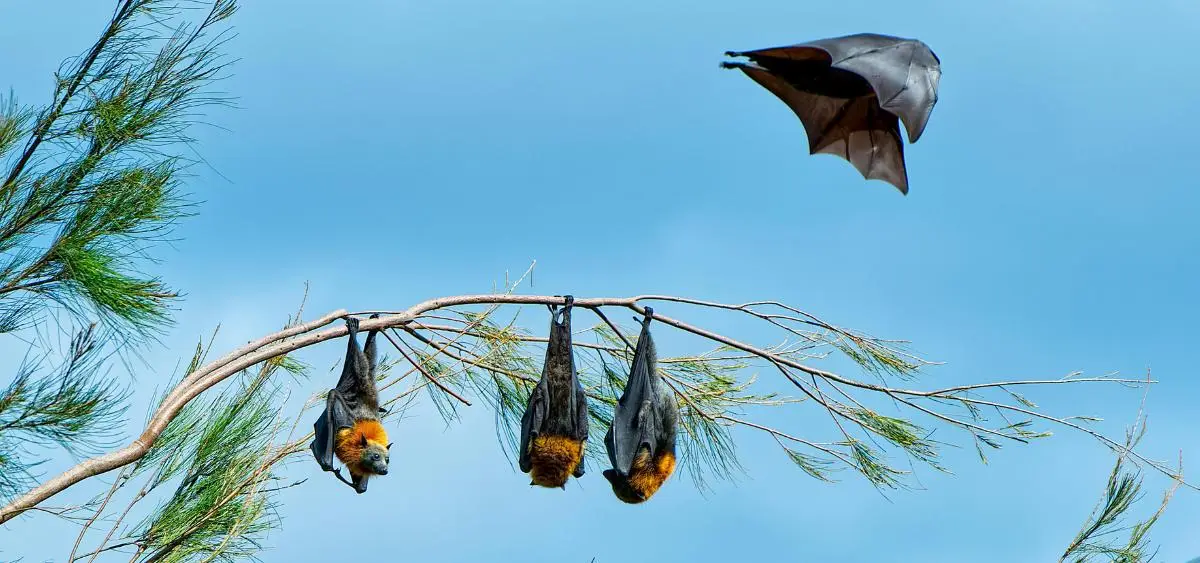
Bats are full of surprises. There are more than 1,400 bat species around the world, making up nearly one-quarter of all mammal species. In the United States and Canada alone, there are about 47 different types of bats. They come in all shapes and sizes. The smallest bat, called the bumblebee bat, weighs less than a coin and has a wingspan of only six inches. On the other hand, the giant golden-crowned flying fox can stretch its wings up to six feet and weigh around four pounds.
Bats are the only mammals that can truly fly. Their wings are actually made from stretched skin, similar to long, flexible fingers. Some bats can even fly at speeds of over 100 miles per hour. They’re also amazing helpers. A single little brown bat can eat up to 1,200 mosquitoes in just one hour, helping control pests naturally. And surprisingly, some bats can live up to 41 years, which is very long for such small animals. Baby bats, called pups, stay close to their mothers in special nursery groups during the spring, where they are cared for until they’re ready to fly on their own.
Why Bats Are Important to Our Ecosystem?
Bats do a lot more than just fly around at night. They play a big role in keeping nature healthy. Many bats help pollinate plants, supporting over 300 types of fruits like bananas, mangoes, avocados, and even cacao, the plant that gives us chocolate. They also spread seeds, helping plants such as agave and saguaro cactus grow.
Bats are great insect controllers too. They eat huge numbers of bugs that damage crops and forests. This helps farmers use fewer chemicals and keeps nature in balance. Without bats, there would be more pests and fewer plants, which can upset the entire food chain.
Even bat droppings, called guano, are useful. They work as a natural fertilizer that improves soil quality. Simply put, bats support farming, wildlife, and the food we eat every day. They quietly keep our ecosystem running smoothly, showing just how important they are for a healthy planet.
Busting Bat Myths and Facts
Let’s clear a few things up. A lot of people believe bats are blind, but that’s not true at all. Bats can see perfectly fine, especially in low light. They also use echolocation, sending out sound waves to help them move around and find food in the dark. Another common myth is that all bats drink blood. In reality, only three bat species are vampire bats. Even they don’t bite like in movies, they gently lick blood from tiny cuts, usually on animals.
Bats also aren’t dirty or harmful pests. They clean themselves often, much like cats do. While bats can carry diseases, they also play a huge role in controlling mosquito populations that spread illnesses. When you look at the real bat myths and facts, it’s clear bats aren’t scary at all. They’re helpful creatures that play an important role among other nocturnal animals.
Endangered Bat Species and the Threats They Face
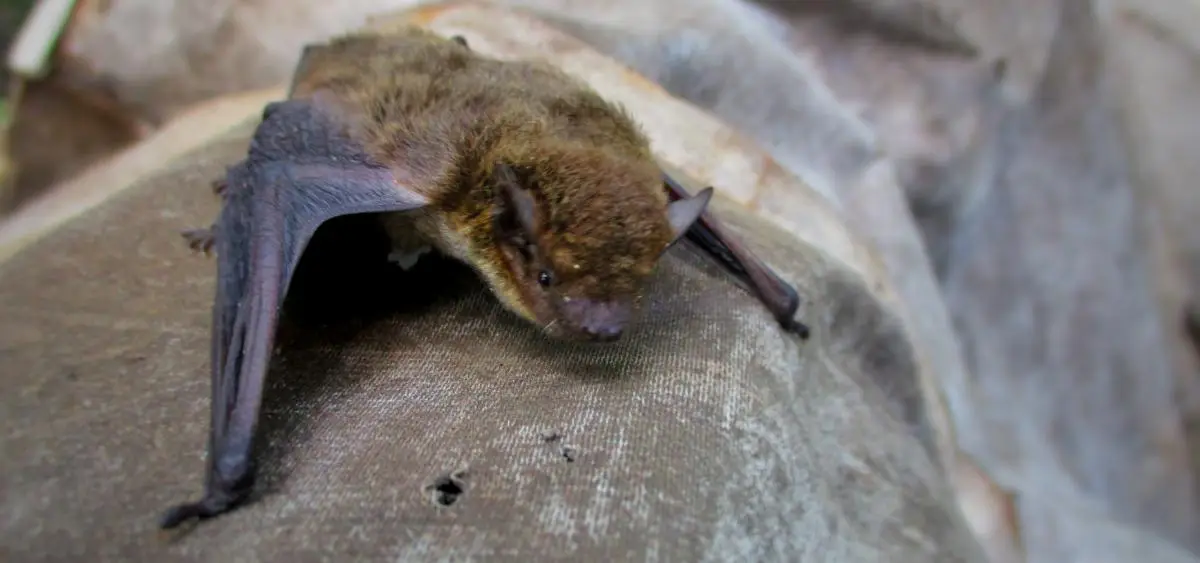
Sadly, many bat species are struggling to survive today. Around the world, over 85 bat species are critically endangered, while many more are listed as endangered or vulnerable. In North America alone, more than half of bat species could see major population drops in the next 15 years.
One big reason is habitat loss. Forests are being cleared for cities, mining, and development, leaving bats with fewer places to live and feed. Another serious threat is white-nose syndrome, a deadly fungal disease that has killed over 90% of some bat populations in just a few years, including little brown bats and northern long-eared bats.
Bats also face dangers from wind energy farms, which can be deadly for migrating species like hoary bats. On top of this, climate change and noise pollution make it even harder for bats to survive. Species such as the eastern small-footed myotis now need urgent protection. If we don’t act soon, many of these amazing night creatures could disappear forever.
Bat Conservation Efforts in 2026
There’s some good news for bats, people around the world are working hard to protect them. Many organizations are helping through research, saving bat habitats, and teaching communities why bats matter. One great success story is the lesser long-nosed bat. It was almost extinct in the 1980s, but by 2018 its population had grown to more than 200,000.
In 2026, you’ll see more awareness events during Bat Week, an international celebration held in late October. These events help people learn about bats and why they need protection. Festivals like the Florida Bat Festival on October 24 offer fun exhibits, activities, and learning sessions. In some places, guided trips, such as visits to caves in Thailand, show how bat conservation is happening worldwide.
Closer to home, many zoos and nature centers host bat awareness days with talks, learning programs, and even bat-watching sessions. All these efforts share one goal: to stop bat population declines and protect the places bats call home.
How You Can Help Protect Bats
Want to help bats? You don’t need to do anything big, just start small. You can put up a bat house in your yard so they have a safe place to rest. Try to avoid using pesticides, since they kill the insects bats depend on for food.
You can also help by talking about bats. Share a few interesting facts with friends or post about why bats matter on social media. If you can, support organizations that work to protect bats through donations or volunteering. Joining local awareness events or bat monitoring programs is another great way to get involved.
On Bat Appreciation Day 2026, you could watch a documentary or visit a protected cave or wildlife area. Every small step helps. When we work together, we can protect bats and keep nature healthy.
Conclusion
So now you know a little more about bats. They’re not just spooky shapes in the dark, they play a big role in our ecosystem. As Bat Appreciation Day 2026 gets closer, let’s learn more and take action. And the next time you see a bat flying across the night sky, you might smile knowing you’re helping make a difference.
Also, read: What Is the Dead Sea and Why Doesn’t Anything Live in It?
Also, read: The Power of “Reduce, Reuse, Recycle”: Making Every Resource Count
Also, read: The Glitter That Costs Childhoods: Dark Truth of Mica Mining
Also, read: The Rise of the Circular Economy: How Tech is Reducing Waste
Also, read: Environment Friendly Shopping Hacks That Even Lazy People Can Do!
Also, read: This Animal Drinks Blood to Live, Say Hello to Vampire Bats!
FAQs
What is International Bat Appreciation Day?
International Bat Appreciation Day is observed on April 17 every year to spread awareness about the importance of bats in maintaining ecosystems and to encourage their conservation.
Are bats dangerous to humans?
No, most bats are not dangerous and avoid human contact. Only a very small number carry diseases, and the risk is extremely low unless there is direct handling.
How do bats help farmers?
Bats help farmers by eating large numbers of crop-damaging insects, reducing the need for pesticides and saving billions of dollars in agricultural costs.
What do bats eat?
Most bats eat insects, while others feed on fruits, nectar, or small animals. Only three species of bats feed on blood, and they are not common worldwide.
Why are bat populations declining?
Bat populations are declining due to habitat loss, climate change, pollution, and human fear or misinformation leading to their destruction.
Do bats really help control mosquitoes?
Yes, many bats eat mosquitoes and other insects, helping naturally reduce their population and lowering the risk of insect-borne diseases.
What would happen if bats disappeared?
If bats disappeared, insect populations would explode, crops would suffer, and ecosystems would become unbalanced, leading to serious environmental and economic consequences.
Upcoming Important Days


Recent Popular Blogs
-
 May 28, 2026
How Patagonia’s “Don’t Buy This Jacket” Promoted Sustainability!
Most brands spend millions trying to convince people to buy more products. Every advertisement, campaign, and discount is designed to increase sales and encourage consumption.Read more -
May 26, 2026
Bhopal’s Viral Algae Tree Might Be the Future of Smart Cities!
Air pollution is becoming a serious issue in cities across the world. Rising vehicle emissions, industrial smoke, and the continuous loss of green spaces areRead more -
May 23, 2026
GOTS vs OEKO-TEX: Confused? Here’s the Simple Difference
When buying clothes, bedsheets, baby clothes, or other fabrics, you may have seen labels like GOTS and OEKO-TEX on products. Many people think these certificationsRead more