Have you ever thought about where the water goes after you flush the toilet or wash dishes in the sink? It simply disappears down the drain, but it doesn’t just vanish. In 2026, as the world faces growing water shortages and rising demand, understanding sewage water treatment is more important than ever.
Across the globe, the water and wastewater treatment industry is growing fast because more people, more cities, and more industries need clean water. One important solution is the domestic sewage treatment plant, also known as a home STP. This system cleans dirty wastewater and makes it safe to release or even reuse. It protects our health, our environment, and our future.
Why Sewage Water Treatment Is Important at Home?
Water is essential for life, but untreated wastewater can cause serious problems. In the past, growing cities struggled with poor sanitation. When waste was not treated properly, it polluted streets and rivers, leading to deadly diseases.
Over time, people understood that clean water and proper sewage systems were necessary for public health. Today, technology has improved a lot, and we now have compact systems that can work directly at homes or in small communities.
A domestic sewage treatment system handles wastewater from toilets, sinks, showers, and washing machines. Without treatment, this wastewater could pollute groundwater, spread harmful bacteria, and damage plants and animals.
In rural areas, independent houses, or eco-friendly buildings, decentralized sewage treatment systems are especially useful. They reduce pressure on large city treatment plants and help recycle water locally. This saves energy and supports sustainable living.
Main Parts of a Home Sewage Treatment Plant
You can think of a home sewage treatment plant as a small factory installed underground or in a compact space near your house. It is designed to treat everyday household wastewater. Unlike large industrial wastewater treatment plants that manage factory waste, domestic systems focus only on household waste.
A typical system includes tanks, pipes, filters, and sometimes air pumps. Some systems also include greywater treatment units, which specifically treat water from showers, sinks, and laundry separately from toilet waste.
The goal is simple: remove solid waste, break down harmful organic matter, and disinfect the water before releasing or reusing it.
Step-by-Step Sewage Water Treatment Process: How Sewage Treatment Works
Although systems may vary slightly, most domestic sewage treatment plants follow a similar step-by-step process.
1. Preliminary Treatment: Removing Large Waste
The process begins when wastewater flows into the treatment plant. The first stage removes large objects such as plastic pieces, paper, or other solid materials. Screens or filters catch these items to prevent blockages.
Some systems also include grit chambers where sand and small stones settle at the bottom. This step protects the equipment and prepares the water for further cleaning.
2. Primary Treatment: Settling the Solids
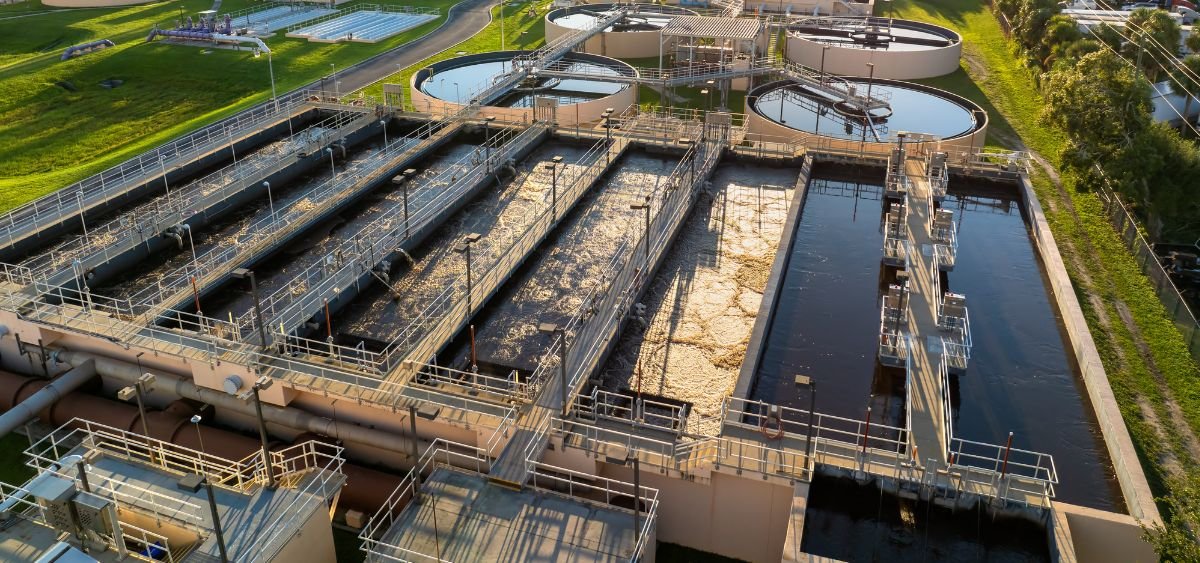
Next, the wastewater enters a settling tank. Here, gravity does most of the work. Heavy solids sink to the bottom and form sludge. Oils and lighter materials float on the surface and are removed. This process removes a significant amount of solid waste from the water. The partially cleaned water, known as effluent, then moves to the next stage. This step is simple but very effective in reducing pollution.
3. Secondary Treatment: Biological Cleaning
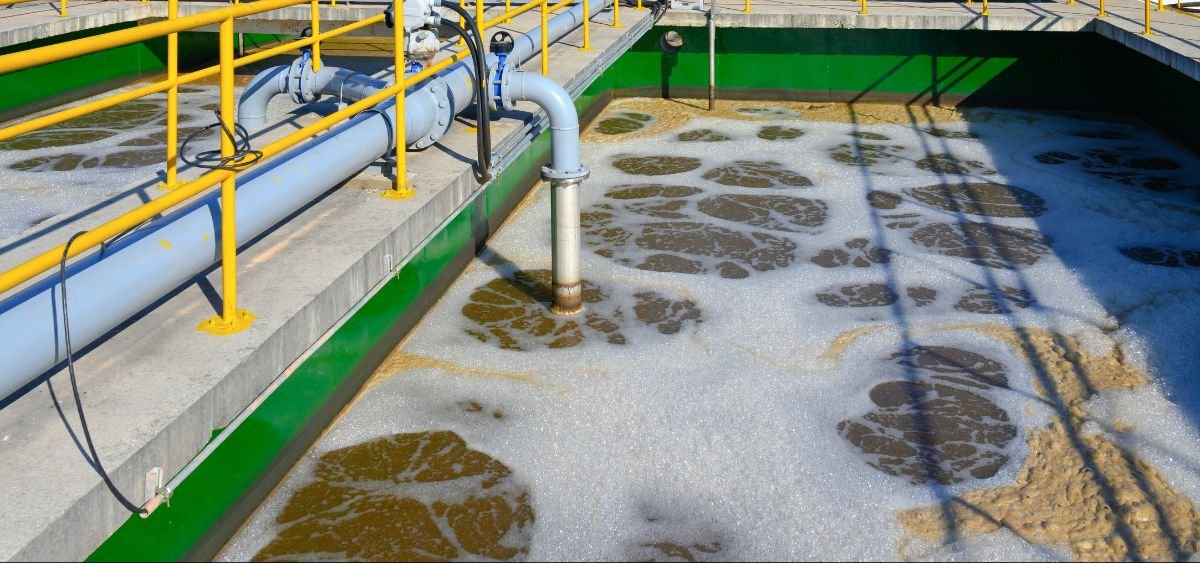
This is one of the most important stages. In secondary treatment, helpful bacteria and microorganisms break down organic waste in the water. The system usually pumps air into the tank to provide oxygen. This process is called aeration. The bacteria use the oxygen to digest harmful substances and turn them into harmless by-products like carbon dioxide and water.
There are different biological methods, such as activated sludge systems, moving bed biofilm reactors, or trickling filters. In compact home systems, bacteria may grow on special plastic media inside the tank. These microbes remove up to 90% of organic pollutants, making the water much cleaner and safer.
4. Tertiary Treatment: Advanced Cleaning and Disinfection
Some systems include an additional stage called tertiary treatment. This stage provides extra purification. The water may pass through sand filters or fine membranes to remove remaining particles. After that, disinfection is done using ultraviolet (UV) light or small amounts of chlorine to kill harmful bacteria and viruses.
Advanced systems may also remove nutrients like nitrogen and phosphorus. These nutrients can cause algae growth in rivers and lakes if released untreated. After this final stage, the treated water is clear and safe for certain types of reuse.
Asia’s largest sewage treatment facility, the Okhla Sewage Treatment Plant in New Delhi, can process roughly 564 million litres of wastewater every day.
It is a key project aimed at treating city sewage before it flows into the Yamuna River, helping to cut down pollution levels.
Water Recycling and Eco-Friendly Benefits
One of the biggest advantages of domestic sewage treatment is water recycling. The treated water can be reused for gardening, irrigation, car washing, or flushing toilets. This reduces the need for fresh water and helps conserve natural resources.
The sludge collected during treatment can also be processed further. In some systems, it undergoes anaerobic digestion, producing biogas. This gas can be used as an energy source. Such features make sewage treatment plants environmentally friendly and cost-effective in the long run.
With climate change and water scarcity affecting many regions, more households are adopting sustainable wastewater solutions. Recycling treated water reduces pressure on freshwater supplies and supports a greener lifestyle.
Sewage Treatment Plant Design and Maintenance
When installing a domestic STP, proper design is very important. The size of the system depends on the number of people in the household and the amount of daily water usage. Small home systems are compact, durable, and often made from materials like fiberglass or reinforced plastic.
Modern systems are mostly automated. Sensors monitor water levels and airflow, making operation simple. However, regular maintenance is essential. Screens should be checked regularly, sludge should be removed every few months, and water quality should be tested occasionally. Proper maintenance ensures the system runs smoothly and lasts for many years.
Ignoring maintenance can reduce efficiency and cause unpleasant odors. Many homeowners choose professional service providers to inspect and maintain the system.
New Technologies in Wastewater Treatment
Technology in wastewater treatment continues to improve. In 2026, many systems include smart monitoring features that connect to mobile apps. Homeowners can receive alerts if there is any problem with the system. Some advanced systems combine biological treatment with membrane filtration for higher water quality.
Research is also focusing on energy efficiency and carbon reduction. Some systems can reduce electricity use significantly by optimizing aeration. Others explore ways to capture carbon emissions during treatment. These innovations make domestic sewage treatment more sustainable and affordable.
Conclusion
A domestic sewage treatment plant is more than just a piece of equipment. It is an essential system that protects your family, your community, and the environment. From removing solids to using helpful bacteria and advanced filters, the process transforms dirty wastewater into clean, reusable water.
As water demand increases around the world, managing wastewater responsibly becomes everyone’s responsibility. Installing and maintaining a home sewage treatment system is a smart step toward sustainability. Clean water does not just come from rivers and reservoirs, it starts right at home.
Also, read: Ecobricks: One Bottle, One Step Toward Ending Plastic Pollution
Also, read: This Company is Changing Uganda with Banana Fibers – TEXFAD
Also, read: How Does Biomass Conversion Work? Step-by-Step process!
Also, read: 7 Yummy Vegan Breakfasts You Can’t Resist!
Also, read: What is the Difference Between Biomass and Fossil Fuels?
Also, read: Is Your Pet’s Carbon Footprint Bigger Than You Think?
FAQs
What is sewage water treatment?
Sewage water treatment is the process of removing contaminants, harmful bacteria, and pollutants from wastewater generated by homes, industries, and commercial spaces. It makes the water safe for reuse or discharge into the environment.
Why is sewage water treatment important?
Sewage water treatment is important because untreated wastewater can spread diseases, pollute rivers, and harm ecosystems. Proper treatment helps protect human health, conserve water, and support sustainable living.
What are the main stages of sewage water treatment?
Sewage water treatment typically involves three stages:
- Primary treatment – removal of solid waste
- Secondary treatment – biological breakdown of organic matter
- Tertiary treatment – advanced filtration and disinfection
Can sewage water be reused after treatment?
Yes, treated sewage water can be reused for purposes like irrigation, gardening, industrial use, and flushing toilets. However, it must go through proper treatment to meet safety standards.
What is the difference between a septic tank and a sewage treatment plant?
A septic tank only separates and partially treats waste, while a sewage treatment plant (STP) treats wastewater more thoroughly using biological and chemical processes, making it safer for reuse or disposal.