
Think about this for a second, what if the leftover crop waste, food scraps from your kitchen, or even dry branches from forests could be turned into electricity, fuel for vehicles, or even clean hydrogen? That’s basically what biomass conversion is all about.
As we move further into 2026, this method is becoming more popular across the world. Why? Because it helps reduce our dependence on fossil fuels, manages waste more effectively, and supports net-zero goals, without needing completely new systems or infrastructure.
In simple terms, biomass conversion means taking organic materials (called biomass) and turning them into useful energy or fuel using different processes, like physical, chemical, or biological methods. You can think of it as stored solar energy from nature being reused in a smarter way.
Whether people call it biomass to energy, biomass energy conversion, or a waste-to-energy process, the idea is the same: instead of letting organic waste rot or go to waste, we convert it into something useful and valuable.
Why Biomass Energy Conversion Matters in 2026
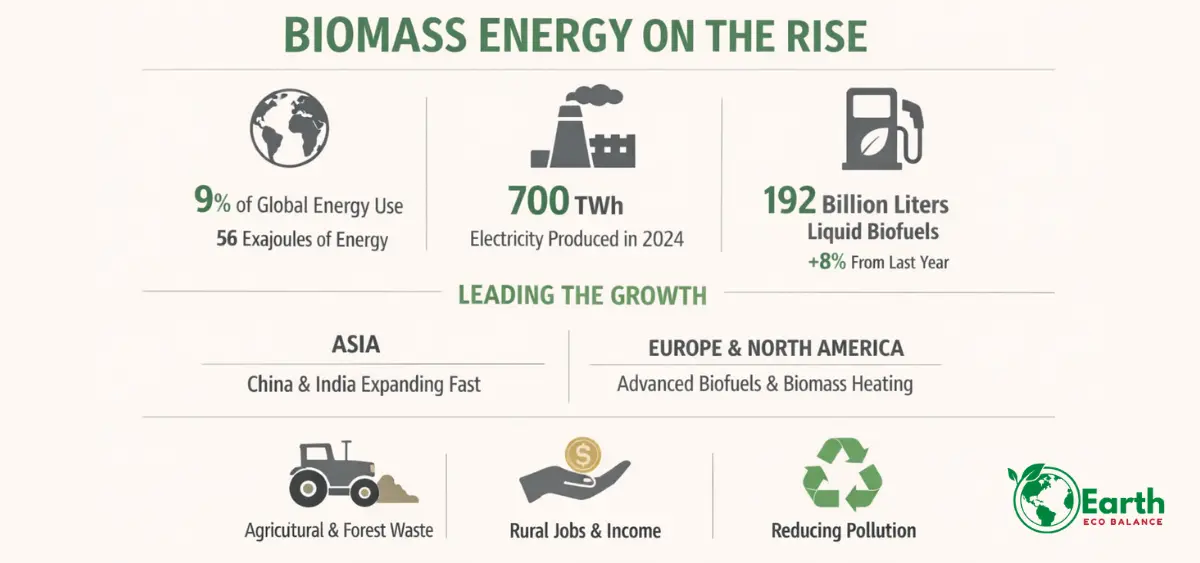
Biomass energy is becoming a big part of the world’s energy mix. Right now, it provides around 56 exajoules of energy, which is about 9% of global energy use, and it’s still growing steadily.
In 2024, biomass power plants produced nearly 700 terawatt-hours of electricity. At the same time, liquid biofuel production reached a record 192 billion liters, which is about 8% higher than the previous year. These numbers show that more countries are seriously investing in this energy source.
Asia is leading this growth, especially countries like China and India that are rapidly increasing their capacity. Meanwhile, Europe and North America are focusing more on advanced biofuels and using biomass for heating.
Overall, the trend is clear, biomass energy is expanding and attracting more investment every year. But it’s not just about producing energy. It also helps create a circular economy by turning agricultural and forest waste into useful resources. This supports rural jobs, increases income opportunities, and helps reduce environmental pollution at the same time.
Step 1: Collecting and Preparing the Raw Material
Every biomass conversion process begins with choosing the right kind of raw material. This usually includes things like wood chips, crop leftovers (straw, bagasse), specially grown energy crops, food waste, and even animal manure. Most of these materials are collected from nearby farms or industries to save transportation costs and reduce pollution.
Before using this biomass, it needs a bit of preparation. First, it is dried to reduce moisture, usually to around 20–30%, especially for heat-based processes. Then, it may be cut or crushed into smaller, uniform pieces. This step might seem basic, but it’s very important. If the raw material isn’t prepared properly, the entire biomass conversion process can become inefficient or even fail.
Step 2: Biomass Pretreatment
Biomass, especially lignocellulosic material, is naturally very strong and hard to break. It’s made up of cellulose, hemicellulose, and lignin—all tightly packed together, which makes the process difficult. That’s why pretreatment is so important.
In this step, the biomass is prepared using methods like grinding, steam treatment, mild chemicals, or even natural enzymes. These techniques help loosen and open up the structure, so the inner components become easier to access.
Once the fibers are opened, enzymes or heat can work more effectively to extract sugars and energy. Thanks to modern pretreatment methods, the overall efficiency of biomass conversion has improved a lot, making it more practical and cost-effective. Without pretreatment, many advanced biofuel technologies wouldn’t be possible beyond research labs.
Step 3: Core Conversion Technologies
This is the most important stage of biomass conversion, it’s where waste actually starts turning into useful energy. There are two main ways this happens:
- Thermochemical and
- Biochemical processes.
Each method works better for different types of biomass and produces different kinds of energy.
- Thermochemical conversion uses high heat (around 400 to 1,000°C) to break down biomass quickly.
- One common method is gasification, where a small amount of oxygen is added. This turns biomass into a gas mixture called syngas, made up of hydrogen and carbon monoxide. This gas can be used to generate electricity or further processed into fuels and chemicals.
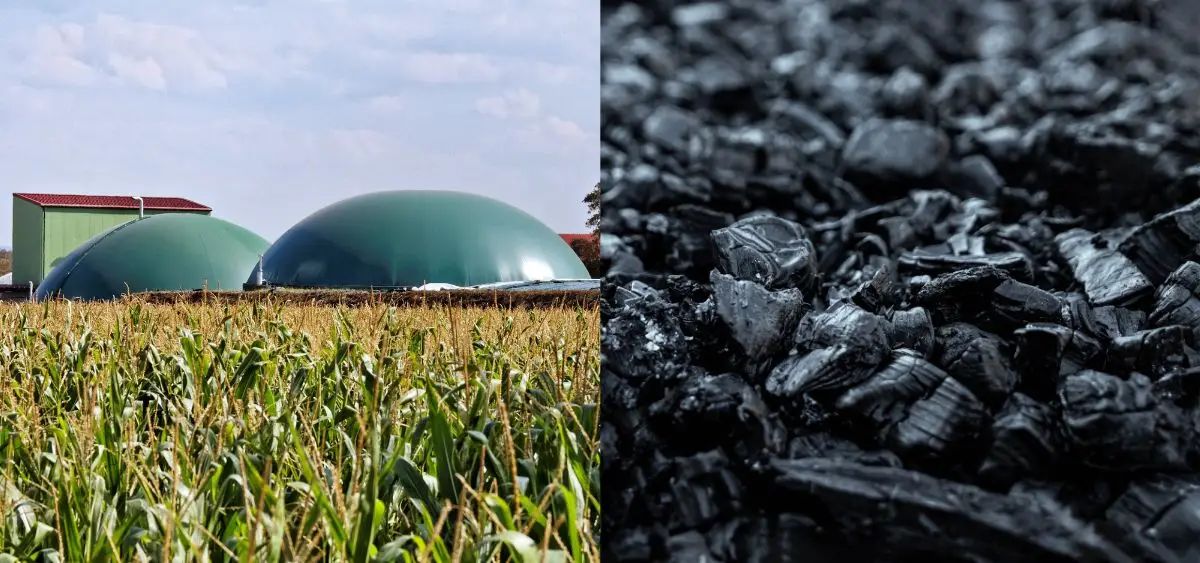
- Another method is pyrolysis, which happens without any oxygen. It produces bio-oil, charcoal, and gases. The bio-oil can later be refined into renewable fuels or used in industrial applications.
- Then there’s direct combustion, the simplest method. Biomass is burned to produce heat and electricity, especially in combined heat and power systems.
- On the other hand, Biochemical conversion uses natural processes involving microbes and enzymes at lower temperatures.
- For example, anaerobic digestion breaks down wet organic waste in oxygen-free tanks. This produces biogas, which is rich in methane and can be used for cooking, heating, or even electricity.
- In the fermentation process, sugars and starches from biomass are converted into ethanol, which is commonly mixed with fuel.
- For materials that contain oils, the biodiesel process is used. It converts these oils into a diesel-like fuel that can be used in engines without major modifications.
In many modern plants, these methods are used together. This flexibility allows operators to choose the best process depending on the type of waste available and the current energy demand.
Step 4: Biorefinery Process
Earlier, plants were designed to make just one product. But now, things have changed. Modern biorefineries work more like oil refineries, but instead of fossil fuels, they use renewable biomass. The idea is simple, get the maximum value out of a single raw material. From one batch of biomass, industries can produce fuels, chemicals, materials, and even energy.
For example, once sugars are taken out to make ethanol, the leftover material (like lignin) doesn’t go to waste. It can be used to generate energy for the plant or turned into useful products like bioplastics. This smart, all-in-one approach not only improves efficiency but also reduces waste. And with growing demand for clean energy, biorefineries are expanding quickly and becoming a major part of the global market.
Step 5: Making Biomass Conversion More Efficient
Getting the most out of biomass is all about improving efficiency. Today, modern systems use sensors, AI, and smart technology to constantly adjust things like temperature and pressure in real time. This helps the process run smoother and produce better results.
On top of that, catalysts help speed up reactions, and improved equipment designs reduce energy waste. Because of these improvements, biomass conversion has become more cost-effective and is now able to compete with traditional fuels in many places.
Step 6: Green Hydrogen from Biomass
One of the most exciting developments right now is producing green hydrogen from biomass. Using advanced methods like gasification and pyrolysis, hydrogen can be created without depending only on electricity-based processes.
Some early projects are already showing how gases from biomass can be cleaned and converted into pure hydrogen. This hydrogen can then be used in industries, shipping, and long-distance transport. As this technology continues to grow, it offers a clean and reliable energy option that works well alongside solar and wind power.
Challenges and Smart Solutions
Biomass conversion is promising, but it’s not without its challenges. One big issue is that the supply of raw materials (like agricultural waste or organic matter) can change depending on the season or weather conditions. On top of that, setting up these systems can be expensive, and maintaining consistent quality is not always easy.
But the good news is, things are improving fast. New innovations are helping solve these problems. Better transportation and storage systems are making it easier to manage raw materials. Scientists are also developing improved energy crops that grow more efficiently. At the same time, government policies are starting to support and reward sustainable practices.
In some advanced systems, carbon capture technology is even being used. This means these plants can reduce more carbon than they produce, making the whole process carbon-negative, which is a huge win for the environment.
The Future of Biomass Conversion
As we move into 2026, biomass conversion is no longer just an idea, it’s becoming a real and practical energy solution. It can be scaled from small setups, like farm-based biogas units, to large industrial plants producing fuels like sustainable aviation fuel. This technology is constantly improving. It not only turns waste into useful energy but also creates new income opportunities in rural areas and helps make energy systems more stable.
Whether you’re a farmer, a business owner, or someone who simply cares about the environment, understanding biomass conversion puts you ahead of the curve. It’s one of the most exciting developments in renewable energy today. The process itself is not complicated, the benefits are clear, and the growth is happening quickly. The real question now isn’t if biomass will become more important, but how fast we can improve and expand its use.
Curious to learn more about how it all works? The future of clean energy is already growing all around us, you just need to look closer and don’t forget to come and check posts on eartnecobalance.com.
Also, read:
Biomass Energy: A Complete Guide to the Future of Renewable Power
Types of Biomass: The Backeup Energy source in Tough Times!
How an Eco-Friendly World Energy Mix Can Drive Sustainability Goals
Singapore Waste Disposal: How the Country Turns Trash Into Energy?
Wind Energy: From Turbines to Powering Your City
Ocean Energy on the Rise: Harnessing Wave & Tidal Power
FAQs
What is biomass conversion?
Biomass conversion is the process of turning organic materials like plant waste, food waste, and agricultural residue into useful energy such as heat, electricity, or biofuels.
How does biomass conversion work?
It works by breaking down organic matter using methods like combustion, gasification, pyrolysis, or biological processes like anaerobic digestion to produce energy.
What are the main types of biomass conversion processes?
The main types include:
- Biochemical (anaerobic digestion, fermentation)
- Thermochemical (combustion, pyrolysis, gasification)
What materials are used in biomass conversion?
Common materials include:
- Food and organic waste
- Agricultural waste (crop residues)
- Wood and forestry waste
- Animal manure
What is the difference between biomass and biofuel?
Biomass is the raw organic material, while biofuel is the energy product (like biogas, bioethanol, or biodiesel) created after conversion.
What is gasification in biomass conversion?
Gasification is a process where biomass is heated with limited oxygen to produce syngas, which can be used for electricity or fuel production.
Recent Popular Blogs
-
 April 1, 2026
The Hidden Difference Between Biomass and Fossil Fuels!
Spread the loveHave you ever stopped to think about what actually powers your home, your car, or the factories that produce the things you useRead more -
March 30, 2026
Biomass Conversion: How Waste Becomes Fuel in Real Life!
Spread the loveThink about this for a second, what if the leftover crop waste, food scraps from your kitchen, or even dry branches from forestsRead more -
March 27, 2026
8 Sustainable Food Options That Are Good for You and Earth
Spread the loveImagine this, you sit down to eat something that tastes great, keeps you healthy, and also helps the planet in a small way.Read more