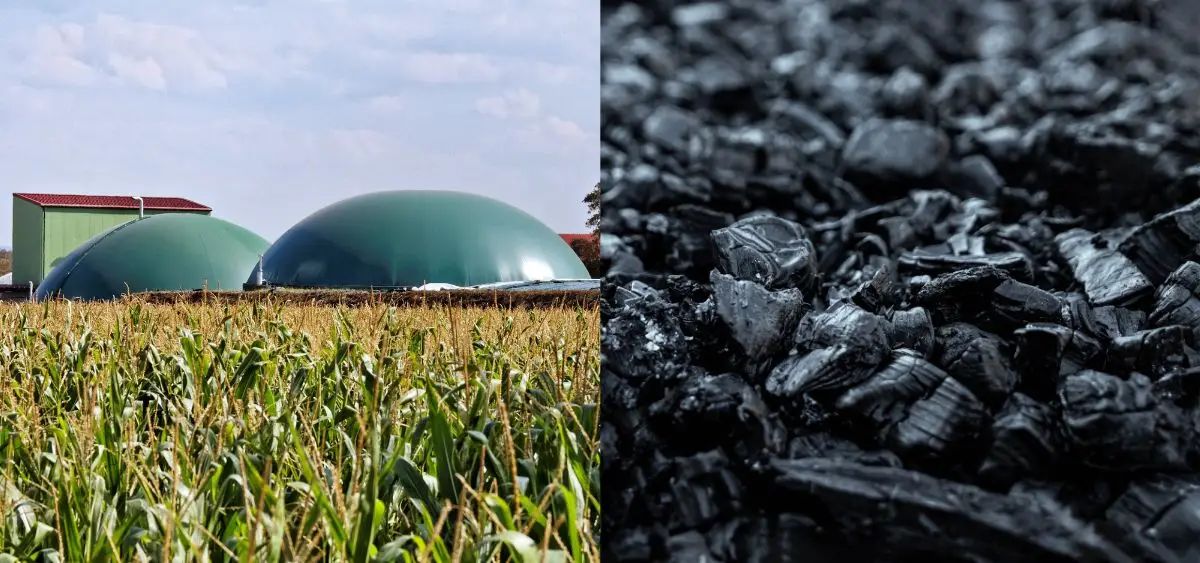

Have you ever stopped to think about what actually powers your home, your car, or the factories that produce the things you use every day? It all comes down to energy sources. And right now, the world is at an important turning point, moving away from old, traditional fuels toward smarter, cleaner options.
The difference between biomass and fossil fuels is becoming more important than ever in 2026. As governments and industries look for cleaner solutions, understanding this comparison helps you see why this shift really matters.
In this guide, we’ll keep things simple. You’ll learn what biomass and fossil fuels are, how they’re used in real life, their environmental impact, and why biomass is often seen as a better path forward.
Did you know? Biomass energy can be nearly carbon-neutral because the plants used to create it absorb carbon dioxide (CO₂) while they grow, so when the biomass is burned, it mostly releases the same CO₂ back into the atmosphere, unlike fossil fuels which add entirely new carbon that was locked underground for millions of years.
What Is Biomass Energy?
Biomass energy comes from natural, organic materials that we get from plants and animals. In simple terms, it’s fuel made from recent living things, not something that formed millions of years ago.
Common examples include farm waste like rice husk or bagasse, wood waste like sawdust and chips, energy crops such as napier grass, and even animal waste.
These materials can be turned into useful fuels like wood pellets for heating, briquettes for industrial boilers, biogas for cooking, and biofuels for vehicles. Many industries already use biomass for things like steam production, drying food, and even generating electricity.
One of the biggest advantages of biomass is that it’s renewable. Crops can be grown again, trees can regrow, and waste is always being produced. When managed properly, this creates a continuous and sustainable energy cycle. It also supports local jobs and reduces dependence on imported fuels.
Read more in Detail- Biomass Energy: A Complete Guide to the Future of Renewable Power
What Are Fossil Fuels?
Fossil fuels are formed deep underground over millions of years from ancient plants and animals. Over time, heat and pressure turned them into coal, petroleum (which becomes petrol and diesel), and natural gas.
These fuels are still the main source of energy across the world. They power vehicles, airplanes, electricity plants, and large industries. One reason they’ve been used for so long is because they provide a lot of energy and have well-developed supply systems.
However, fossil fuels are not renewable. Once we use them, they’re gone for good. Also, burning them releases carbon that has been trapped underground for millions of years, which contributes heavily to climate change.
Key Differences Between Biomass and Fossil Fuels
The main difference between biomass and fossil fuels comes down to how they are created and how they impact the environment. Biomass is made from recently living materials and can be replenished naturally. Fossil fuels, on the other hand, take millions of years to form and cannot be replaced once used.
Another major difference is the carbon cycle. Plants used in biomass absorb carbon dioxide while growing. When biomass is burned, it releases roughly the same amount back, creating a balanced cycle if managed well. Fossil fuels, however, release extra carbon with no natural balance, increasing global warming.
Biomass is often locally available, which makes its cost more stable. Fossil fuels depend on global markets, so their prices can rise and fall suddenly. In terms of efficiency, modern biomass systems can perform just as well as coal in many cases, sometimes even better, especially in industrial setups.
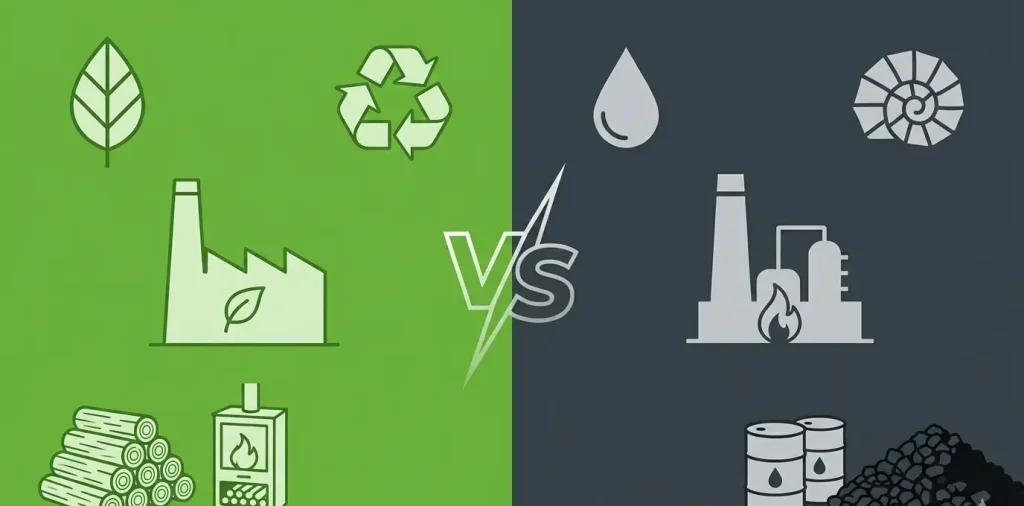
Environmental Impact of Biomass vs Fossil Fuels
Both types of fuel produce emissions, but the impact is very different. Fossil fuels release large amounts of carbon dioxide along with harmful gases like sulfur dioxide and nitrogen oxides. These contribute to air pollution, acid rain, and global warming. In fact, global CO₂ emissions from fossil fuels reached record levels in recent years, showing how serious the problem is.
Biomass, when used responsibly, has a lower overall impact. The plants used for biomass absorb carbon dioxide before they are turned into fuel, which helps balance emissions. It also reduces waste and lowers methane emissions from landfills.
Modern biomass systems are also designed to control smoke and particles, making them cleaner than older methods. Overall, biomass is much better for long-term environmental health.
Biomass Energy: Benefits and Drawbacks
Like any energy source, biomass has its pros and cons.
Benefits:
- Renewable and more eco-friendly
- Supports local jobs and economies
- Can reduce fuel costs in industries
- Helps manage agricultural and organic waste
- Works well alongside other renewable energy sources
Drawbacks:
- Needs proper storage to prevent moisture damage
- Requires a well-planned supply chain
- Higher initial setup cost for advanced systems
- Produces ash that needs safe disposal
Even with these challenges, new technologies are making biomass easier and more efficient to use.
Why Biomass Is Better Than Fossil Fuels?
Biomass stands out mainly because it is sustainable and flexible. First, it can be replenished continuously. Second, it supports local economies instead of relying on imported fuels. Third, it helps reduce emissions without affecting industrial productivity.
It’s especially useful for industries like steel, cement, and chemicals, where switching completely to electricity is still difficult. Many countries are already mixing biomass with coal to reduce pollution while transitioning to cleaner energy systems.
Biomass vs Coal and Petroleum
If we compare biomass directly with coal and petroleum, the difference becomes even clearer. Coal has been a major energy source for years, but biomass can provide similar heat with much lower pollution. Petroleum fuels vehicles, but biofuels offer a cleaner alternative that can often be used in existing engines. In many factories, switching to biomass fuels like briquettes can quickly reduce fuel costs and even help avoid carbon-related penalties.
The Future of Energy: Biomass vs Fossil Fuels
By 2026, the global energy landscape is changing fast. Renewable energy sources, including biomass, are growing rapidly and are expected to overtake traditional fuels in many areas. A large share of global investment is already going into clean energy. Biomass plays an important role because it acts as a bridge between traditional fuels and fully renewable systems.
Technologies like co-firing, gasification, and advanced biofuels are making biomass even more practical. Governments are also encouraging this shift through policies and incentives. The result is a future with cleaner air, stronger local economies, and more reliable energy systems.
Choosing a Smarter Path Forward
The difference between biomass and fossil fuels is not just about science, it’s about the kind of future we want to build. Biomass offers a renewable, cleaner way to produce energy using materials we already have. Fossil fuels helped power the past, but they come with serious environmental costs.
As more people and businesses look for better options, biomass is becoming a clear choice for both savings and sustainability. So the real question is, what step will you take toward cleaner energy? Because the future of energy isn’t just coming… it’s already growing around us.
Also, read:
Biomass Energy: A Complete Guide to the Future of Renewable Power
Types of Biomass: The Backeup Energy source in Tough Times!
How Does Biomass Conversion Work? Step-by-Step process!
Ever Wondered How Wind Turbines Make Electricity?
Vedic Plaster: The Natural Alternative to Chemical Paints!
FAQs
What is the main difference between biomass and fossil fuels?
The biggest difference is how they are formed. Biomass comes from recently living plants and organic waste, while fossil fuels come from ancient plants and animals that took millions of years to form. Biomass is renewable, but fossil fuels are not.
Is biomass energy really renewable?
Yes, biomass is renewable as long as it’s managed properly. Plants can grow again, and organic waste is continuously produced, making it a sustainable energy source.
Which is better for the environment: biomass or fossil fuels?
Biomass is generally better for the environment because it has lower net carbon emissions. Fossil fuels release extra carbon dioxide that increases global warming.
Does biomass energy cause pollution?
Yes, but much less compared to fossil fuels. Modern biomass systems use advanced technology to reduce smoke, ash, and harmful emissions.
Can biomass replace fossil fuels completely?
Not completely, at least not yet. Biomass can replace fossil fuels in many areas like heating and industrial processes, but a mix of renewable energy sources is still needed for the future.
Recent Popular Blogs
-
 April 1, 2026
The Hidden Difference Between Biomass and Fossil Fuels!
Spread the loveHave you ever stopped to think about what actually powers your home, your car, or the factories that produce the things you useRead more -
March 30, 2026
Biomass Conversion: How Waste Becomes Fuel in Real Life!
Spread the loveThink about this for a second, what if the leftover crop waste, food scraps from your kitchen, or even dry branches from forestsRead more -
March 27, 2026
8 Sustainable Food Options That Are Good for You and Earth
Spread the loveImagine this, you sit down to eat something that tastes great, keeps you healthy, and also helps the planet in a small way.Read more