Recycling is more than dumping things into a new bin—it’s an excellent way to cut waste, save resources and save the world. Whether you’re new to recycling or a recycling expert, these smart and easy recycling tips will lead you to a greener way of life.
Also, read: Pumped Hydro Storage: The Battery of Renewables
1. Understand What Can and Can’t Be Recycled
Not everything can be recycled, and putting the wrong items in your recycling bin will ruin the batch. Avoid recycling items smaller than a credit card, such as straws, bottle caps, and plastic cutlery, as they can jam recycling equipment. Don’t put non-recyclable things like plastic packaging, clothing, and food in your recycling bin either.
2. Set Up a Home Recycling System
Having an easyily accessible recycling bin in the home encourages frequent use. Place clearly labeled recycling bins in key areas like the kitchen, bathroom, and office to encourage recycling by all household members.
3. Reduce, Reuse, Recycle
Before recycling, consider if an item can be reduced or reused. Opt for products with minimal packaging, use reusable shopping bags, and repurpose containers when possible. This approach minimizes waste and supports sustainable living.
Also, read: The Power of “Reduce, Reuse, Recycle”: Making Every Resource Count
4. Avoid Common Recycling Mistakes
Contamination is a significant issue in recycling. Ensure recyclables are clean and dry before placing them in the bin. Avoid “wish-cycling,” where non-recyclable items are placed in the recycling bin with the hope they can be recycled.
5. Embrace DIY Recycling Projects
Be innovative with recycling by converting trash into valuable commodities. Homemade crafts such as upcycling old jars to use as storage or recycling cardboard boxes can be enjoyable and eco-friendly.
6. Recycle E-Waste Responsibly
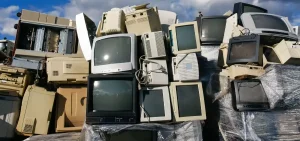
Electronic waste contains hazardous materials and should not be thrown away in regular bins. Take items like old phones, batteries, and computers to designated e-waste recycling centers to ensure safe and proper disposal.
Also, read: How Is Plastic Recycled? A Step-by-Step Guide

7. Support Eco-Friendly Products
Choose products made from recycled materials and those with recyclable packaging. Supporting companies that prioritize sustainability encourages more eco-friendly practices in the market .
8. Educate and Involve Others
Share your recycling knowledge with friends and family. Encouraging others to adopt recycling habits amplifies the positive impact on the environment.
9. Stay Informed About Local Recycling Guidelines
Recycling rules can vary by location. Stay updated on your local municipality’s recycling guidelines to ensure compliance and effectiveness.
10. Practice Zero Waste Principles
Aim to minimize waste generation by adopting zero waste practices. This includes composting organic waste, repairing items instead of discarding them, and being mindful of consumption habits .
Also, read: Zero Waste Challenge: Small Changes, Big Impact
Conclusion
By implementing these recycling tips, you’re not only managing waste more effectively but also contributing to a healthier planet. Remember, every small action counts, and together, we can make a significant difference.
FAQs
1. What are the best recycling tips for beginners?
Start small by separating recyclables from trash. Learn about your local recycling guidelines, and focus on common items like paper, plastic, and glass. Make sure recyclables are clean and dry before disposing of them.
2. Why is it important to clean recyclables before disposal?
Dirty recyclables can contaminate entire batches, making them unusable and causing them to end up in landfills. Rinse and dry items before recycling to ensure they are processed correctly.
3. What items are commonly recycled at home?
Paper, cardboard, plastic bottles, glass jars, aluminum cans, and certain metals are commonly recycled. Always check your local guidelines, as not all plastics are recyclable.
4. Can I recycle plastic bags and wrappers?
Most curbside recycling programs do not accept plastic bags or wrappers. Instead, take them to designated drop-off points at grocery stores or recycling centers.
5. Are composting and recycling the same?
No, composting breaks down organic waste like food scraps and yard debris into nutrient-rich soil, while recycling involves processing materials like paper, glass, and plastic into new products.