Global warming is one of the world’s most significant environmental issues today. It is a long-term increase in Earth’s average temperature caused by human actions. Although you might have heard the term “climate change” in the news, global warming is only one aspect of this larger process. So why should you care? Global warming’s impacts reach into every corner of life—our health, economy, and natural environment. Recognizing the causes and effects is the initial step in tackling this significant challenge.
Also, read: Who Are the Green Giants? And How Are They Changing Our World?
What is Global Warming?
In simple words, global warming is the fact that the temperature of the Earth’s surface is rising, primarily as a result of the accumulation of greenhouse gases in the atmosphere. These gases, including carbon dioxide (CO2), methane, and nitrous oxide, hold heat from the sun and don’t allow it to go back into space. Although this process is natural and essential for life, human activities—such as the burning of fossil fuels, deforestation and industrial agriculture—have greatly enhanced the level of these gases, enhancing the warming effect.
Causes of Global Warming
The primary causes of global warming are human-induced emissions, especially the combustion of fossil fuels for energy. These consist of coal, oil, and natural gas utilized for transportation, electricity, and heating. Others include agricultural activities that emit methane, deforestation, and industrial activities. These activities combined have resulted in an accelerated increase in greenhouse gases, which have triggered a global temperature increase of approximately 1.2°C since the late 19th century.
In addition, environmental pollution from waste and chemicals quickens global warming. As industries release toxic pollutants into the air and oceans, the Earth’s ability to absorb heat is further disrupted, accelerating climate change.
Also, read: Zero Waste Challenge: Small Changes, Big Impact
Effects of Global Warming
The effects of global warming are already visible and continue to worsen. Some of the most noticeable impacts include:
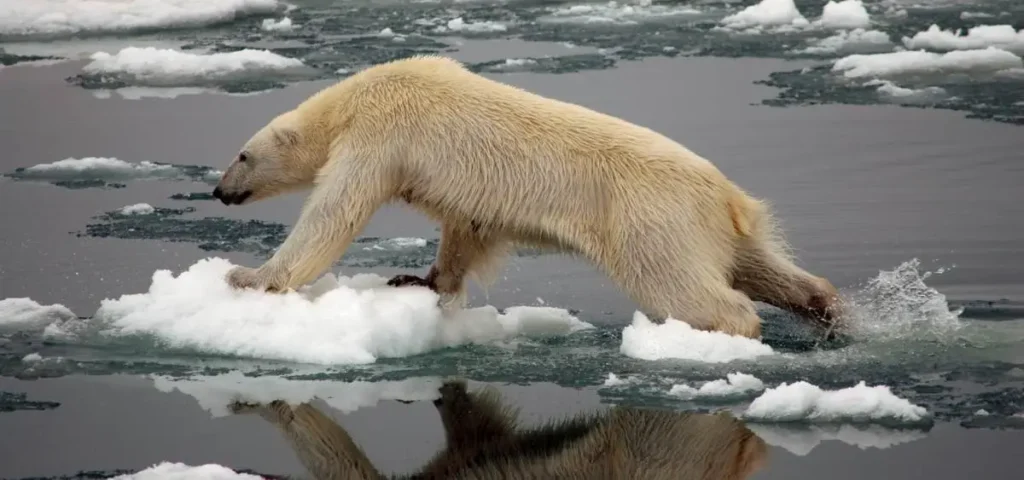
- Melting Ice Caps and Rising Sea Levels: With increasing global temperatures, polar ice caps and glaciers are melting at a tremendous rate. This results in sea levels rising, endangering coastal cities and towns.
- Extreme Weather Events: Global warming causes intensified and more frequent heatwaves, storms, droughts, and floods. The escalation of extreme weather is disrupting agriculture, residences, and infrastructure.
- Loss of Biodiversity: Species are finding it difficult to cope with rapidly evolving conditions. Forests, oceans, and ecosystems are being lost, threatening the survival of numerous species.
- Health Risks: Global warming and public health go hand in hand. Warmer temperatures spread disease, raise respiratory ailments from air pollution, and increase heat illness.
Also, read: The Incredible Benefits of Gardening for Just One Hour a Day
Global Warming Awareness: Why It Matters
Global warming is not something that exists far in the future—its consequences already influence communities, industries, and governments around the world. It’s imperative to increase awareness about global warming to achieve effective climate action. People’s knowledge can improve policy-making, foster sustainable lifestyles, and make day-to-day activities more environmentally friendly by cutting their carbon footprint. Reducing waste, going for renewable energy sources—everybody has something to do with stopping global warming.
Global Warming Solutions
While the climate crisis may seem overwhelming, there are solutions that can make a significant difference:
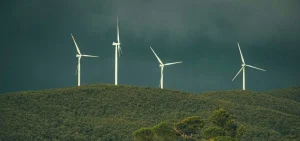
- Transition to Renewable Energy: Moving away from fossil fuels and investing in clean energy sources like wind, solar, and hydroelectric power can dramatically reduce global warming emissions.
- Protecting Forests: Trees absorb carbon dioxide, so preserving forests and promoting reforestation efforts are vital for curbing climate change.
- Sustainable Agriculture: Shifting to sustainable farming practices that minimize waste and reduce methane emissions from livestock is another key solution.
- Reducing Waste and Recycling: Reducing waste and increasing recycling efforts help cut down on the energy needed for production and waste management, directly reducing carbon emissions.
- Carbon Offsetting: Programs like carbon offsetting allow individuals and companies to compensate for their emissions by investing in environmental projects that absorb or reduce carbon emissions.
Also, read: Global Crisis! Impact of Climate Change Are Worse Than Expected
The Importance of Climate Action
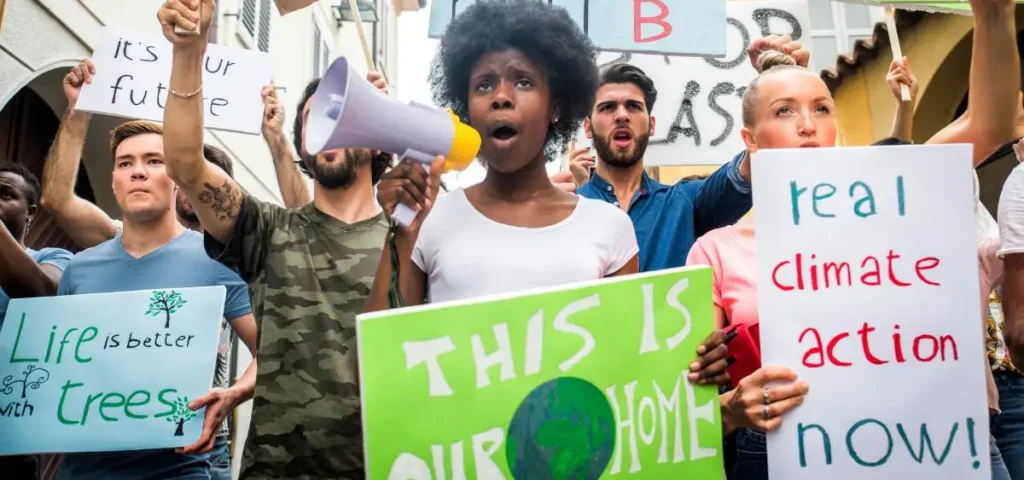
The effects of global warming are being experienced all over the world. From the higher risks to our health to the catastrophic loss of ecosystems, everything is at stake. But it is not too late to make a difference. Governments, companies, and citizens can all make a difference and save the planet by adopting environmentally friendly practices, promoting policies to cut emissions, and campaigning for systemic reforms.
It is especially important to raise awareness of global warming among students, youth, and future generations. They will be the ones who will inherit our planet and, therefore, it is imperative that they know not only the reasons for global warming but also how to prevent global warming. Equipping youth with this information is a part of a major component in making long-term change.
How You Can Make a Difference
So, how can you help fight global warming? The response is straightforward: start small, think big. You can begin by lowering your own carbon output. This might be as straightforward as using less plastic, reducing energy at home, walking or cycling rather than driving, and supporting green power projects. Everything, however tiny, counts.
Also, read: Cigarette Butts to Adorable Creation? This Innovation Is Genius!
Conclusion
Global warming is a major challenge for our time, yet it is also a window of opportunity. The solutions are available, and by taking action now, we can avert the worst effects of climate change. By increasing global warming awareness and taking action on climate change, we can build a more sustainable future for all.
Also, read: Turning Storm-Damaged Wood into Music and Hope – VAIA Cube
FAQs
1. Is global warming the same as climate change?
Global warming is a key part of the broader phenomenon known as climate change. While global warming refers specifically to the rise in Earth’s temperature, climate change includes other shifts in weather patterns, like changing rainfall and more extreme weather events, as a result of global warming.
2. How much has the Earth’s temperature increased due to global warming?
Since the late 19th century, global temperatures have increased by approximately 1.2°C (2.2°F). This may seem small, but it has already led to significant changes in weather patterns, sea levels, and ecosystems.
3. What are the impacts of global warming on animals and ecosystems?
Global warming disrupts ecosystems, causing shifts in animal migration patterns, species extinction, and changes in the availability of food and water. The warming of oceans also harms marine life, especially coral reefs.
4. Can global warming be stopped?
We can’t fully stop it, but we can slow it by reducing emissions and adopting sustainable practices.
5. What are carbon offsets?
Carbon offsets help neutralize emissions by investing in projects like tree planting or renewable energy.