Every year, World Ozone Day, celebrated on September 16, reminds us to protect the Earth’s ozone layer. In 2025, the International Day for the Preservation of the Ozone Layer will focus on uniting global efforts for a healthier planet. This day highlights the importance of ozone layer protection and celebrates the progress made through international cooperation. Let’s dive into why World Ozone Day 2025 matters, explore the importance of the ozone layer, and learn how we can contribute to a safer future for the ozone shield.
Why World Ozone Day is Celebrated?
The United Nations established World Ozone Day in 1994 to mark the signing of the Montreal Protocol in 1987. This global agreement aimed to phase out substances that cause ozone depletion. The history of World Ozone Day shows how countries came together to tackle a pressing environmental issue. The ozone layer, a protective shield in the Earth’s atmosphere, blocks harmful ultraviolet (UV) rays from the sun. Without it, life on Earth would face serious risks, including higher rates of skin cancer and ecosystem damage.
The World Ozone Day theme 2025 will likely emphasize collective action for ozone layer recovery and climate protection. Each year, the theme inspires governments, organizations, and individuals to adopt ozone-friendly lifestyles and promote sustainable practices.
The Importance of the Ozone Layer
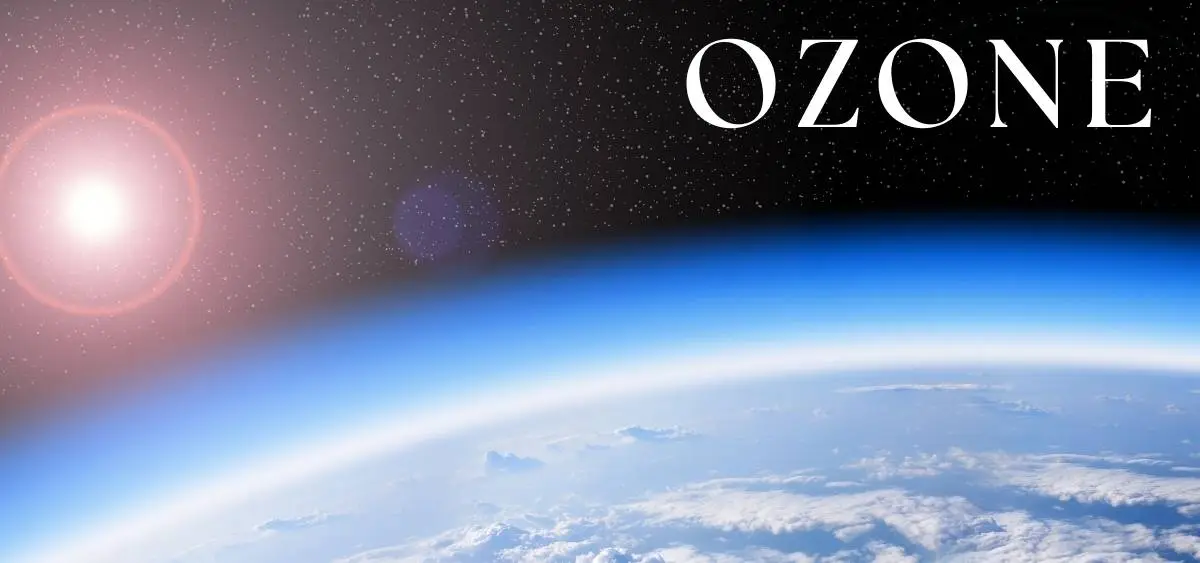
The ozone layer acts like a sunscreen for our planet. It absorbs most of the sun’s harmful UV radiation, protecting humans, animals and plants. Ozone layer facts reveal its critical role- it sits about 15–35 kilometers above Earth and filters out 99% of UV-B rays. Without this shield, UV exposure would harm crops, marine life, and human health.
Ozone depletion causes include chemicals like chlorofluorocarbons (CFCs), once common in refrigerators and aerosols. These substances break down ozone molecules, thinning the layer. The Montreal Protocol has reduced CFC use by 99%, leading to signs of ozone layer recovery. Experts predict the ozone layer could fully recover by 2066 if global efforts continue.
Ozone Layer and Climate Change
The ozone layer and climate change are closely linked. While the ozone layer protects us from UV rays, some ozone-depleting substances also contribute to global warming. For example, hydrofluorocarbons (HFCs), used as CFC replacements, are potent greenhouse gases. The Montreal Protocol’s Kigali Amendment, adopted in 2016, targets HFCs to address both ozone layer depletion solutions and climate change.
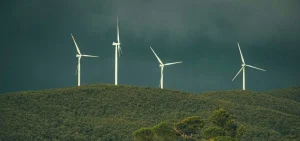
Projects like Reliance Industries’ clean energy initiatives in Gujarat show how renewable energy can support a safer ozone future. Their massive solar project in Kutch, spanning 550,000 acres, will produce 55 MW of solar modules daily by 2026. This reduces reliance on fossil fuels, which indirectly helps ozone layer protection by cutting greenhouse gases emission. Similarly, their Dhirubhai Ambani Giga Energy Complex in Jamnagar will produce green hydrogen, a clean fuel that supports an ozone-friendly lifestyle.
How to Save the Ozone Layer?
Everyone can help protect the ozone layer. Simple actions make a big difference. Choose appliances that avoid HFCs or other harmful chemicals. Support policies that promote renewable energy, like solar and wind power. Spread ozone layer awareness by sharing facts about its role in shielding life on Earth.
Businesses also play a part. Reliance’s efforts in Gujarat, including a battery gigafactory with a 40 GWh capacity by 2026, show how innovation can drive sustainability. Their projects align with global goals to create a cleaner planet and support environment protection day initiatives like World Ozone Day.
A Global Effort for Ozone Layer Recovery
The Montreal Protocol proves global cooperation works. Since its adoption, 197 countries have phased out 99% of ozone-depleting substances. This has prevented an estimated 2 million skin cancer cases annually by 2030. Ozone layer depletion solutions include stricter regulations, better technology, and public awareness. Innovations like low-global-warming-potential refrigerants and energy-efficient cooling systems further support recovery efforts. International funding, such as the Multilateral Fund, has provided over $4.7 billion since 1991 to help developing nations transition to ozone-safe technologies.
Scientific research continues to guide action. Satellite monitoring shows the Antarctic ozone hole shrinking, with a 2024 report noting a 20% reduction in its size since its peak in 2000. Grassroots movements also play a role. Community-led campaigns in countries like India and Brazil educate people on ozone-friendly lifestyles, such as using eco-friendly products and reducing energy waste.
World Ozone Day 2025 will celebrate these achievements while urging continued action. Events worldwide will include workshops, clean energy fairs, and youth-led climate rallies. Schools will host poster competitions, and governments will launch campaigns to promote protecting Earth’s ozone shield. Virtual webinars and social media challenges, using hashtags like #OzoneDay2025, will engage younger audiences in ozone layer awareness.
Join the Movement for a Safer Planet
World Ozone Day 2025 calls us to act. Whether it’s adopting eco-friendly habits or supporting clean energy, every step counts. Let’s unite for a safer ozone future and a healthier planet. Together, we can ensure the ozone layer recovery continues, safeguarding life for generations to come. Celebrate World Ozone Day by learning more, sharing knowledge, and taking action. A cleaner, greener world starts with us.
FAQs
1. What is World Ozone Day?
World Ozone Day is observed every year on 16th September to spread awareness about the importance of the ozone layer and the need to protect it.
2. Why is World Ozone Day celebrated on 16th September?
It marks the signing of the Montreal Protocol in 1987, an international agreement to stop using ozone-depleting substances.
3. Why is the ozone layer important?
The ozone layer protects life on Earth by blocking harmful ultraviolet (UV) radiation from the Sun.
4. Has the ozone layer recovered?
Not fully. It is healing slowly thanks to the Montreal Protocol, but full recovery is expected by 2040–2066, depending on the region.
5. What is the ozone hole?
It refers to a thinning of the ozone layer over Antarctica, first noticed in the 1980s, caused by ozone-depleting chemicals.
6. How is World Ozone Day celebrated?
Through awareness campaigns, seminars, school programs, tree planting, eco-friendly pledges, and environmental discussions.
Also, read: Recycling Revolution: Easy Ways to Make a Lasting Impact!
Also, read: Why This Clothing Recycling project Is Gaining Global Attention
Also, read: WMO Report 2025 Reveals Climate Crisis Is Getting Worse
Also, read: 7 Yummy Vegan Breakfasts You Can’t Resist!
Also, read: The Shocking Benefits of Repurposing You Never Knew About!