
Plastic surronds us—in our homes, offices, and even in the oceans. But have you ever thought, how is plastic recycled? knowing the process of recycling plastic makes us make smarter decisions and minimize harm to the environment. This guide breaks down the steps of plastic recycling, explores different methods of plastic recycling, and offers tips for recycling plastic at home.
Also, read: 8 Eco-Friendly Habits to Reduce Your Carbon Footprint!
Why Is Plastic Recycling Important?
- Environmental Protection:
- Reduces landfill waste and prevents overflow.
- Lowers ocean pollution, which safeguards marine life.
- Cut greenhouse gases emission by consuming less energy.
- Conserving Natural Resources:
- Saves non-renewable resources such as oil and gas.
- consumes approximately 88% less energy than new plastic production.
- Economic Benefits:
- Generates employment in recycling and manufacturing.
- saves money on production with lower-cost recycled plastic.
- Reducing Fossil Fuel Dependency:
- Less need for oil and gas as raw materials.
- Supports the transition to sustainable energy.
- Protecting Wildlife and Ecosystems:
- Reduces risks of ingestion and entanglement for animals.
- Preserves natural habitats by minimizing plastic pollution.
- Promoting a Circular Economy:
- Keeps plastic in the production cycle instead of becoming waste.
- Encourages sustainable use and reuse of materials.
- Raising Public Awareness:
- Encourages responsible behavior and sustainable practices.
- Educates people on the impact of plastic waste.
- Global Impact:
- Countries set recycling targets to reduce plastic pollution.
- International cooperation helps address the issue globally.
Also, read: The Rise of the Circular Economy: How Tech is Reducing Waste
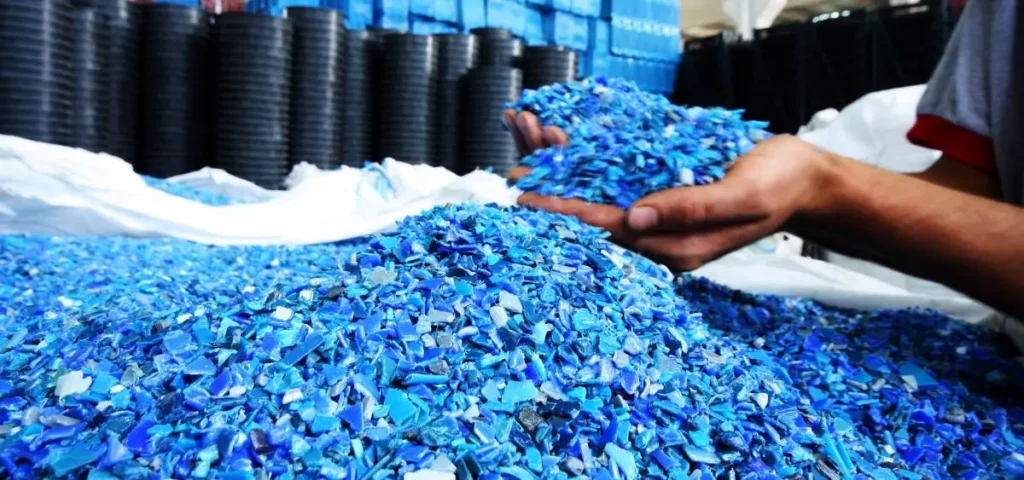
Which Types of Plastic Can Be Recycled?
- PET (Polyethylene Terephthalate) –
- Uses: Water bottles, food containers
- Recyclability: Easy to process, high demand
- Products: New bottles, clothing, carpets
- HDPE (High-Density Polyethylene) –
- Uses: Milk jugs, detergent bottles, plastic bags
- Recyclability: Durable, non-leaching, widely accepted
- Products: Containers, piping, plastic lumber
- PVC (Polyvinyl Chloride) –
- Uses: Plumbing pipes, vinyl flooring
- Recyclability: Limited; releases toxins when melted
- Products: Industrial flooring, park benches (occasionally)
- LDPE (Low-Density Polyethylene)
- Uses: Plastic bags, squeeze bottles
- Recyclability: Sometimes accepted, flexible but harder to process
- Products: Trash liners, floor tiles, shipping envelopes
- PP (Polypropylene) –
- Uses: Yogurt containers, bottle caps, straws
- Recyclability: Heat-resistant, increasing recycling acceptance
- Products: Auto parts, storage bins, textiles
- PS (Polystyrene) –
- Uses: Foam cups, egg cartons, disposable cutlery
- Recyclability: Difficult; breaks easily, low value
- Products: Insulation, light building materials (rarely)
- Other (Mixed Plastics) –
- Uses: Polycarbonate bottles, multi-layer packaging
- Recyclability: Complex, rarely accepted
- Products: Sometimes used for plastic lumber
Also, read: The Power of “Reduce, Reuse, Recycle”: Making Every Resource Count
The Plastic Recycling Process: Step by Step
- Collection: Plastic waste is gathered from homes, workplaces and public areas. This includes items like bottles, containers, and packaging materials.
- Sorting: Collected plastics are sorted by type and color. This can be done manually or using machines that detect different plastic types.
- Cleaning: Sorted plastics are washed to remove labels, food residue, and other contaminants. Clean plastic ensures higher quality recycled products.
- Shredding: Clean plastics are shredded into small pieces or flakes, making them easier to process.
- Identification and Classification: Shredded plastic pieces are tested to determine their quality and type. This step ensures that only suitable plastics proceed to the next stage.
- Melting: The plastic flakes are melted down. The melting process varies depending on the type of plastic and the intended end product.
- Pelletizing: Melted plastic is formed into small pellets, which can be used to manufacture new plastic products.
Also, read: Turning Storm-Damaged Wood into Music and Hope – VAIA Cube
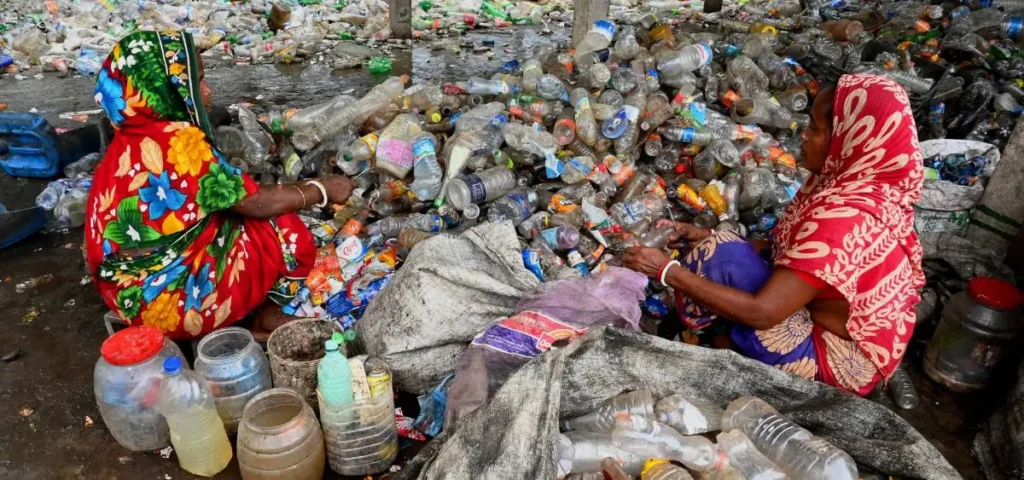
Methods of Plastic Recycling
1. Mechanical Recycling
This is the most common method. It involves physically processing plastic waste into new products without changing the chemical structure of the material.
2. Chemical Recycling
Also known as advanced recycling, this method breaks down plastic into its chemical components, which can then be used to produce new plastics. It’s especially useful for plastics that are difficult to recycle mechanically.
Conclusion
Understanding how plastic is recycled puts us in power to educated choices and take action. By being a part of the plastic recycling process, we make our planet healthy and our future sustainable.
Also, read: Urban Heat Island: The Real Reason Cities Are Boiling
FAQs
1. What is plastic recycling?
Plastic recycling is the process of collecting, sorting, cleaning, and reprocessing plastic waste into new products.
2. What happens to plastic after it is recycled?
Recycled plastic can become new bottles, containers, textiles, plastic lumber, or even automotive parts.
3. Why is sorting plastic by type important?
Different types of plastic have varying melting points and properties. Mixing them can compromise the quality of recycled products.
4. Why can’t plastic bags be recycled with other plastics?
Plastic bags (usually LDPE) can clog recycling machines and often require special collection points.
5. Can single-use plastics be recycled?
Some can be recycled, like PET bottles, but many single-use items (like straws or polystyrene cups) are not easily recyclable.