Have you ever seen an animal that looks like a walking pinecone? That animal is the pangolin. These quiet and shy creatures are loved for their hard scales and unusual behavior. Every year, World Pangolin Day is celebrated to spread awareness about them. In 2026, it will be observed on February 21, the third Saturday of February. This day reminds people around the world why pangolins need protection and why saving them from extinction is so important.
In this article, we will explore the history of World Pangolin Day, understand its importance in wildlife conservation, and learn some fun and interesting facts about pangolins. By the end, you’ll know why these endangered animals matter and how you can help protect them.
History of World Pangolin Day
World Pangolin Day began as a small effort but quickly grew into a global movement. It started in 2012 when a group of wildlife conservationists came together to raise awareness about the serious threats facing pangolins. One of the key voices behind this effort was Rhishja Cota, who founded an organization focused on stopping wildlife exploitation.
The third Saturday of February was chosen as World Pangolin Day, making it an annual event. Over time, more people and organizations joined in. From Asia to Africa and other parts of the world, conservation groups began using events, education programs, and social media to spread awareness.
Today, World Pangolin Day reminds us that pangolins are still in danger due to habitat loss and illegal hunting. A little more than ten years ago, many people had never heard of pangolins. Now, this day helps start global conversations, encourages stronger wildlife laws, and supports better protection efforts.
As we move toward 2026, World Pangolin Day continues to highlight both the progress made and the challenges that remain in protecting these unique and endangered animals.
Why World Pangolin Day Matters So Much?
Pangolins are in serious danger. They are the most trafficked mammals in the world. Many are killed for their scales, which some people believe can cure illnesses, even though there is no scientific proof. In some places, their meat is also seen as a luxury food. Because of this illegal trade, pangolin numbers have dropped sharply. In the last ten years, more than one million pangolins have been taken from the wild. In 2019 alone, reports showed that one pangolin was poached every three minutes. On top of this, forests and grasslands are being destroyed, leaving pangolins with fewer places to live.
Today, all eight species of pangolins are endangered. Four species live in Asia and four in Africa. Pangolins are very important for nature. One pangolin can eat up to 70 million insects in a year, helping control pests naturally. Without them, farmers may need to use more chemicals, which can harm the environment.
World Pangolin Day reminds us to take action. It encourages governments to stop illegal pangolin trade and support rescue and conservation centers. Recent reports in 2025 highlight the urgent need for stronger global laws to protect pangolins from poaching and habitat loss.
This day also reminds us that protecting wildlife helps everyone. Saving pangolins supports healthy forests and reduces risks linked to illegal wildlife trade, such as the spread of diseases. In 2026, World Pangolin Day will continue to raise awareness, inspire people to join conservation efforts, and celebrate progress made in stopping smugglers and protecting these unique animals.
Amazing Facts About Pangolins That Will Surprise You
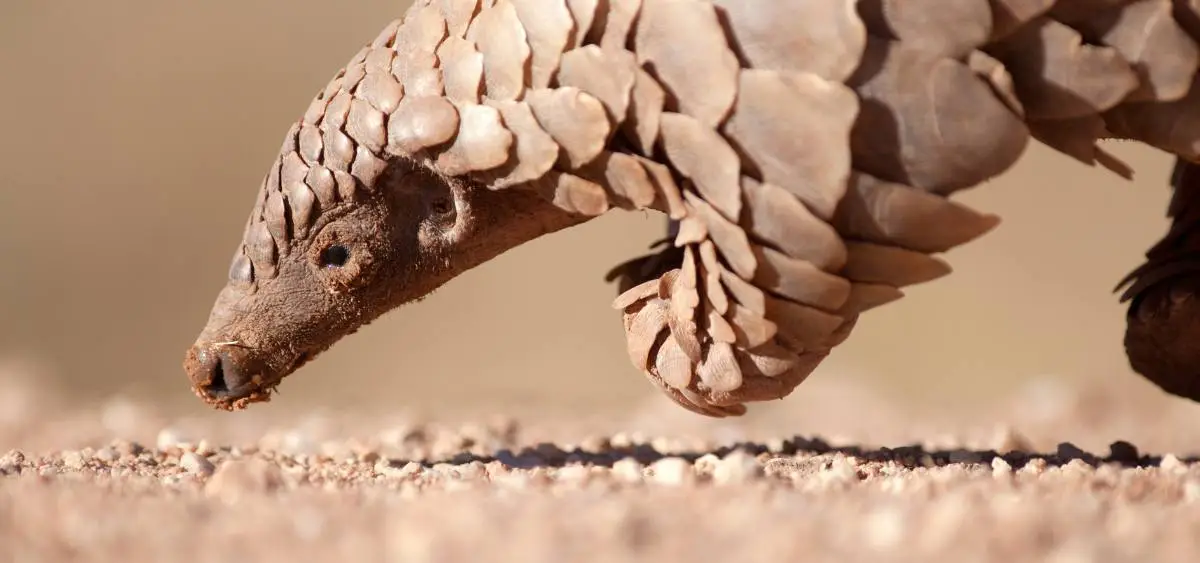
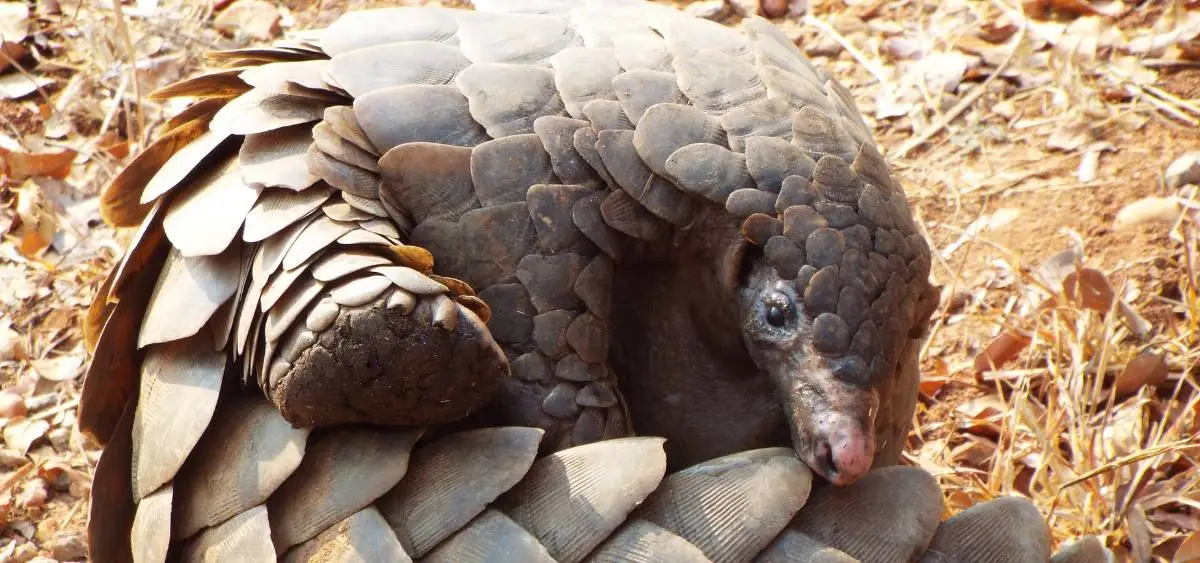
Pangolins are fascinating animals with very unusual features. They are the only mammals in the world fully covered in hard scales. These scales are made of keratin, the same material as human nails. When a pangolin feels scared, it curls up into a tight ball and uses its sharp scales for protection. Sadly, this defense also makes them easy targets for hunters.
There are many interesting facts about pangolins. They don’t have teeth, but they have very long tongues, up to 16 inches long, which they use to eat ants and termites. Pangolins are mostly active at night. They live in burrows underground or climb trees to stay safe. Some species even walk on their back legs, using their tails for balance, which makes them look quite funny.
Pangolins live in different environments, from tropical forests to dry grasslands, across Asia and Africa. They also appear in local stories and traditions. In some African cultures, pangolins are seen as symbols of good luck or protectors of nature. Seeing one in the wild is very rare and often considered special. These unique traits show why pangolins are so important and why they need protection as one of the world’s most endangered mammals.
How You Can Join the Fight to Save Pangolins?
World Pangolin Day isn’t just for experts. Anyone can pitch in. Share facts on social media with #WorldPangolinDay. Draw or sculpt a pangolin to spark chats with friends. Donate to groups battling wildlife trafficking. Push for laws that protect endangered wildlife. Report suspicious sales if you spot them. Small steps add up in pangolin awareness days like this.
Conclusion
World Pangolin Day 2026, observed on February 21, is a global call to action to protect one of the planet’s most unique and threatened animals, the pangolin, the world’s most trafficked mammal. These shy, scaly creatures face severe threats from illegal poaching, wildlife trafficking, and habitat loss, pushing all eight pangolin species toward the edge of extinction.
Yet pangolins play a vital role in nature, quietly controlling insect populations and helping maintain healthy ecosystems.
The day reminds us that awareness alone is not enough, real change comes from collective action- spreading the word, supporting conservation efforts, rejecting illegal wildlife products, and making small daily choices that add up.
Also, read: What Is Soil Aeration? How to Aerate Soil Like a Pro?
Also, read: What to Do in Garden in December: Smart Winter Garden Hacks!
Also, read: Sustainable Stationery Hacks: Easy Swaps to Try Today!
Also, read: The Dark Truth of Animal Cruelty Behind Factory Farming!
Also, read: Paris Climate Agreement: A Simple Guide to Saving Our Planet
Also, read: Complete Guide to Sustainable Packaging for Growth!