Every year, when spring arrives and again when autumn begins, something magical happens above our heads. Millions of birds lift off and begin long, tiring, and sometimes dangerous journeys across countries, continents, and even oceans. Some travel a few hundred kilometres. Others fly tens of thousands. These tiny travellers connect forests, wetlands, grasslands, farms, and cities all over the world. They remind us that nature does not follow borders, everything is connected.
That’s exactly why people around the world celebrate World Migratory Bird Day. In 2026, World Migratory Bird Day will be celebrated on 9 May (during spring migration) and 10 October (during autumn migration). These two dates are perfect opportunities to pause, step outside, look up at the sky, and think about how we can protect these incredible birds.
How World Migratory Bird Day began
The idea started in 1993 as International Migratory Bird Day. A group of bird experts and nature lovers wanted to raise awareness about bird migration and the need to protect these species. Over time, the movement grew bigger. In 2006, with support from the United Nations, it became World Migratory Bird Day, a global event.
Today, more than 100 countries take part. Schools, wildlife groups, scientists, birdwatchers, and families all join together to celebrate and learn. It is now one of the largest global awareness campaigns focused on bird conservation.
The event is celebrated twice a year so both the northern and southern hemispheres can observe it during their peak migration seasons. What started as a small awareness effort has now become a worldwide movement for protecting migratory birds.
Why World Migratory Bird Day 2026 is special?
The 2026 theme is: “Every Bird Counts – Your Observations Matter!” This theme focuses on community science, also called citizen science. In simple words, it means that ordinary people can help scientists just by observing birds and sharing what they see. When you record a bird sighting in an app or write down what species you spotted, that information becomes valuable data. These small observations help experts:
- Track bird population changes
- Understand migration patterns
- Detect environmental problems early
- Protect important flyways (migration routes)
Interestingly, 2026 also marks the 60th anniversary of a major global waterbird monitoring program. That makes this year even more meaningful. It reminds us that long-term efforts and small daily actions really do make a difference.
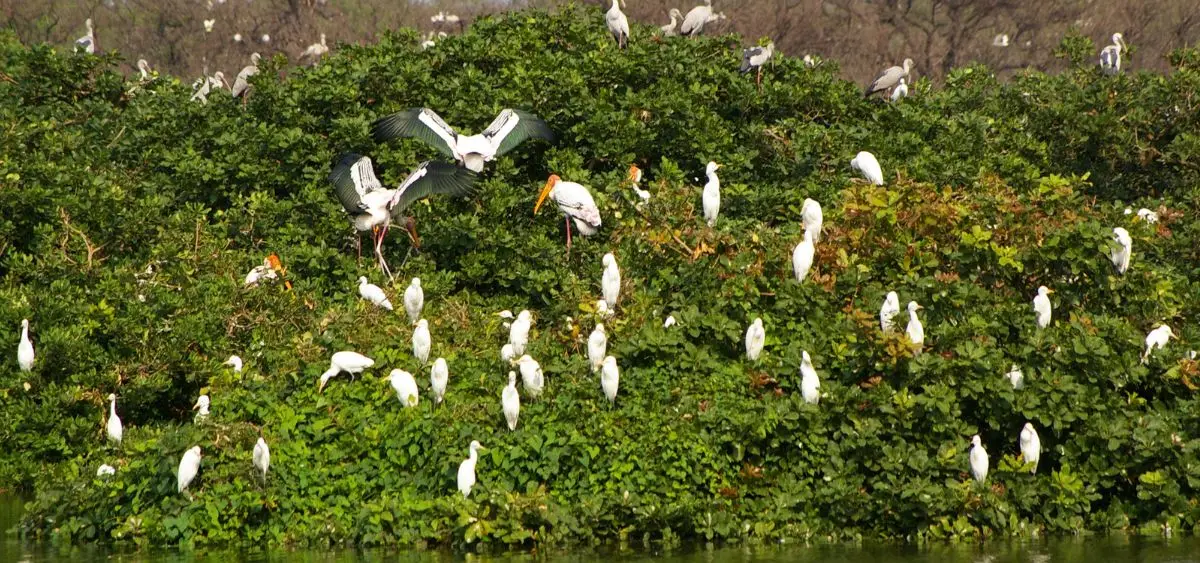
Amazing facts about bird migration
Bird migration is one of nature’s most impressive wonders. Here are some fascinating facts:
- Some shorebirds fly nonstop for nine days across the Pacific Ocean, more than 11,000 kilometres without landing.
- The Arctic tern travels up to 90,000 kilometres every year, the longest migration of any animal on Earth.
- Many birds use the sun during the day, stars at night, and even the Earth’s magnetic field to navigate.
- A tiny ruby-throated hummingbird, which weighs less than a coin, can fly across the Gulf of Mexico in one single journey.
- Migratory birds help control insect populations, pollinate plants, and spread seeds. This supports farming, forests, and ecosystems.
When you think about it, these birds are not just beautiful, they play an important role in keeping our environment balanced.
The challenges migratory birds face
Sadly, bird migration is becoming more difficult each year. Studies show that North America alone has lost nearly three billion birds since 1970. That is almost 30% of its bird population. Grassland birds have lost more than half their numbers. Many shorebirds and other migratory species are now endangered. Why is this happening? Here are the main reasons:
- Loss of wetlands and resting areas where birds stop to eat and regain energy
- Climate change, which affects weather patterns and food availability
- Light pollution, confusing birds that migrate at night
- Collisions with buildings, glass windows, and vehicles
- Pesticides, which reduce insects that birds rely on for food
When migration routes are disturbed, entire bird populations can decline quickly. Climate change especially is creating serious challenges by shifting seasons and altering habitats.
Simple ways you can help
The good news is you don’t have to be a scientist to protect migratory birds. Small actions matter. Here are easy steps anyone can take:
- Turn off unnecessary outdoor lights during migration seasons
- Plant native trees and plants in your garden
- Keep pet cats indoors to prevent bird hunting
- Support local wetland and conservation projects
- Avoid using harmful pesticides
- Reduce plastic use
- Buy bird-friendly products like shade-grown coffee
- Join birdwatching events and upload sightings to citizen science apps
Each small action adds up. When thousands of people take simple steps, the impact becomes powerful.
Fun ways to celebrate World Migratory Bird Day
Celebrating this day can be both educational and fun. Here are some ideas:
- Go on a morning bird walk with friends or family
- Organize a school talk or awareness program
- Create bird-themed art or photography projects
- Start a “Lights Out” campaign in your neighbourhood
- Participate in a local bird count
- Attend online webinars about bird conservation
Whether you live in a big city or a small village, you can take part. Even watching birds from your balcony counts.
Birds connect the world
Migratory birds do not recognize political borders. A bird that breeds in Canada may spend winter in South America and stop in wetlands along the way. That means protecting them requires international cooperation.
To truly protect migratory birds, we must protect their entire journey:
- Breeding grounds
- Stopover sites
- Wintering habitats
When countries work together, conservation becomes stronger. Protecting one wetland or reducing light pollution in one city can help birds across continents.
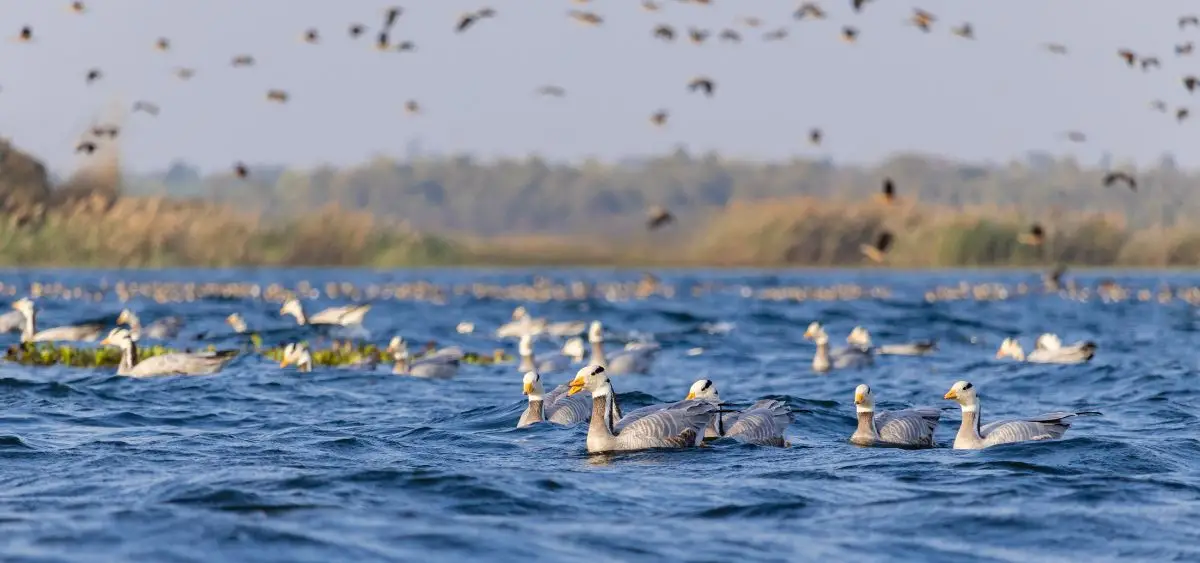
Your role in this global effort
World Migratory Bird Day 2026 is more than just a celebration. It is a reminder that we all share responsibility for the natural world. You can:
- Watch the skies
- Record your bird sightings
- Teach children about bird migration
- Support conservation groups
- Spread awareness on social media
- Every bird counts. Every observation matters.
So mark 9 May and 10 October on your calendar. Step outside. Look up. Listen to the sounds of wings overhead.
The future of these incredible travellers depends on all of us. Together, we can make sure the skies remain full of life, colour, and movement for generations to come.
Also, read: How Does a house Sewage water Treatment Plant Work?
Also, read: What to Plant in July for a Fresh and Green Garden?
Also, read: What Are Peatlands and Why They Matter More Than Forests?
Also, read: Rusty-Spotted Cat: Meet the World’s Smallest Wild Cat!
Also, read: Pygmy Marmoset: The World’s Tiniest Monkey!
Also, read: How Shrimp and Rice Grow Together in One Field With Zero Waste