Hey animal lovers! Have you ever seen a meerkat stand up on its back legs and look around like a tiny guard? It’s honestly one of the cutest things ever. These small, furry animals win our hearts with their funny habits and strong family bonds.
As we get ready for World Meerkat Day 2026, let’s talk about why these desert animals are so special. This day is all about learning more about their amazing lives and remembering why protecting wildlife is so important. Stay with me, we’ll look at some fun facts, how they live together as families, and how you can celebrate too.
When Is World Meerkat Day?
World Meerkat Day is celebrated every year on July 3. In 2026, it will fall on a Friday, a perfect day to spread awareness and share some love for these adorable animals.
People all around the world celebrate this day to talk about meerkats and their importance in nature. No matter where you live, in a big city or a small town, you can join in.
The day started a few years ago and has slowly become a global event. It encourages everyone to learn more about meerkats and understand the important role they play in the desert ecosystem.
Fascinating Meerkat Facts for Kids and Adults
Meerkats are small animals from the mongoose family. They are about 10 to 14 inches tall, not counting their long tails. Many kids love knowing that Timon from The Lion King was inspired by a meerkat. Just like him, real meerkats are playful, curious, and full of energy.
Meerkats live in dry grasslands and sandy deserts in southern Africa. Even though the weather is very hot and dry, they survive really well there. They dig long and deep tunnels under the ground to live in. These tunnels are called burrows. One family group, also called a clan, can use and expand the same burrow system for many years.
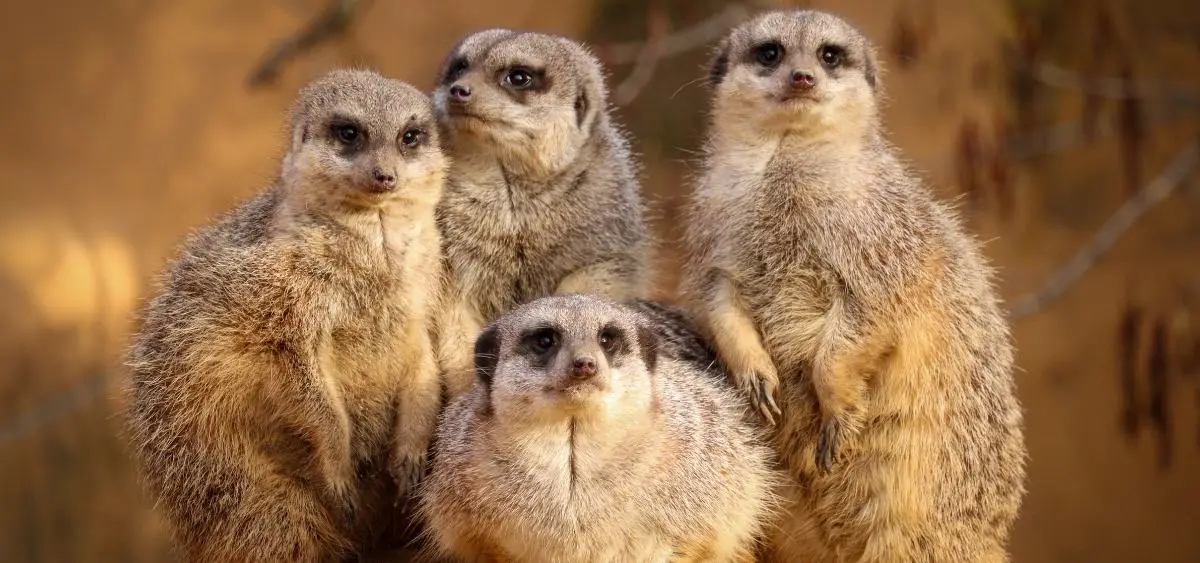
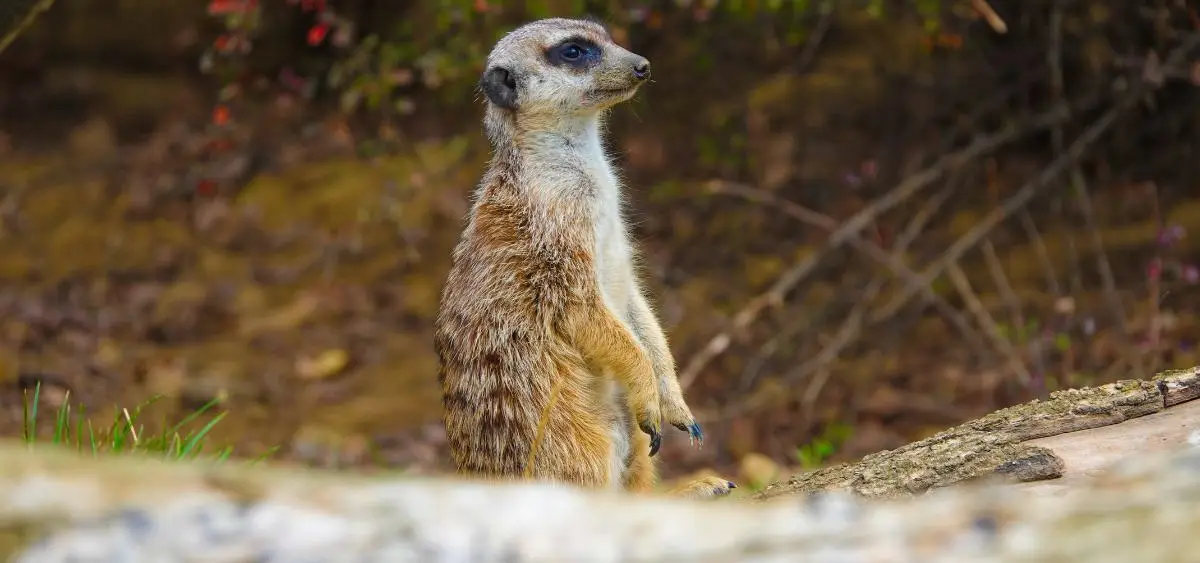
One interesting fact about meerkats is their amazing eyesight. They have dark patches around their eyes that help reduce the bright sunlight, almost like natural sunglasses. This helps them spot danger from far away.
Baby meerkats, called pups, are born blind and without fur. They stay safely inside the burrow at first. After about two weeks, they open their eyes. Soon, they start coming outside and learning how to survive with the group. Meerkats eat insects, small reptiles, and some plants. This mixed diet helps them stay strong and survive in the desert.
Meerkat Habitat and Daily Life
Meerkats live in places like the Kalahari Desert and other dry areas. These places do not have many trees, and it does not rain much. Finding food and water can be hard. But meerkats are smart. They get most of their water from the food they eat, like juicy insects and roots.
Every day, their routine is all about survival. Early in the morning, they come out of their burrows and stand in the sun to warm their bodies. After that, they spread out to search for food. While some hunt, one meerkat usually stands guard to watch for predators.
Sometimes, meerkats even use old burrows made by other animals instead of digging new ones. This saves their time and energy. However, changes in climate can make life harder for them by affecting their food supply. Learning about where and how meerkats live helps us understand how strong and adaptable desert animals really are.
The Secrets of Meerkat Behavior and Teamwork
Meerkats live together in close families called mobs or clans. A normal group has around 20 members, but some groups can grow up to 50. For meerkats, teamwork is everything. While some members go out to find food, others stand guard. These guards stand upright on their back legs and carefully watch for danger. If they see a predator nearby, they quickly make a barking or whistling sound to warn the group.
That famous standing pose isn’t just cute, it helps them survive. By standing tall, they can see over tall grass and spot danger early. Meerkats are great at working together. They take turns babysitting the babies so parents can search for food. When another group tries to take their territory, the whole clan comes together to protect their home. Their teamwork reminds us how important cooperation is in our own lives.
Inside Meerkat Family Life
Family is very important in a meerkat group. They follow a system where one main female, called the dominant female, leads the group. She is usually the only one who has babies and can give birth to up to four pups at a time.
But she doesn’t raise them alone. Other females help feed and protect the babies. The males also help by teaching the young ones how to find food. Some young adults stay back at the burrow to take care of the pups. This makes sure the babies grow up safe and strong.
Meerkat families show us the power of love, support, and teamwork. That’s why many people see meerkats as symbols of loyalty and strong community bonds.
Meerkat Predators and Why They Matter
Meerkats may look cute and small, but they have many enemies. Eagles, jackals, and snakes are their biggest predators. Because of these dangers, meerkats are always alert.
In every group, one meerkat usually stands up on guard while the others look for food. If it spots a hawk flying above or a predator nearby, it quickly makes a warning sound. This teamwork often saves the whole group.
So, why are meerkats important? Meerkats help control insect populations by eating bugs and small creatures. This keeps the ecosystem balanced. At the same time, they are food for bigger animals like eagles and jackals. Their underground burrows also become safe homes for other animals. Everything in nature is connected. If meerkats disappear, it could disturb the desert food chain and harm other wildlife too.
Meerkat Conservation: Protecting Desert Wildlife
Right now, meerkats are listed as “Least Concern,” which means their population is stable. But that doesn’t mean they are completely safe. Problems like habitat loss and drought still threaten them. Wildlife awareness days remind us to protect animals and their homes. Many conservation efforts focus on saving the natural landscapes of southern Africa where meerkats live. People are also taught how to protect nature in sustainable ways.
Other desert animals, like some antelopes and birds, live in the same areas. When we protect one species, we often protect many others too. You can help by supporting wildlife organizations, donating if possible, or simply spreading awareness. Even small actions can make a big difference in protecting nature.
Fun Ways to Celebrate World Meerkat Day
There are many fun and easy ways to celebrate World Meerkat Day. You can start by sharing a post on social media using #WorldMeerkatDay to spread awareness. You could also watch a documentary about meerkats with your family or friends and learn more about their amazing life in the desert.
If you have a zoo or safari park nearby, plan a visit. Some places even have live talks or feeding sessions where you can see meerkats up close and learn interesting facts about them.
For kids, make the day extra fun with simple activities like drawing meerkats or making cute meerkat masks. You can also organize a small family quiz about meerkat facts. Another meaningful idea is to support wildlife conservation by donating or raising funds to help protect desert animals.
You can even plant native grasses in your garden to understand what their natural habitat looks like, or take time to learn about wildlife in your own area. When we celebrate together, we become part of a global community that cares about protecting desert wildlife. Let’s make 2026 a year where we all stand tall for meerkats, just like they stand tall every day to protect their family.
World Meerkat Day is a chance to appreciate these amazing little animals and promise to care about their future. So tell me, how will you celebrate World Meerkat Day?
Also, read: What is Wool? Is wool Eco-Friendly or Harmful?
Also, read: The Science Behind the Black Panther Phenomenon
Also, read: What to Plant in July for a Fresh and Green Garden?
Also, read: Apple Leather: From Apple Waste to High-End Fashion!
Also, read: Himalayan Red Fox Spotted Near Parashar Lake in Mandi
Also, read: Is Tesla Really Sustainable? Let’s Talk Tesla Environmental Impact!