
Hi there! Have you ever wondered why your warm sweater feels so special? Let’s talk about wool. Wool is a natural fabric that has kept people warm for hundreds of years. But now, in 2026, when everyone is trying to make eco-friendly choices, an important question comes up, is wool good for the planet or not?
In this guide, I’ll explain everything in simple words, where wool comes from, why it’s useful, and how it really affects the environment. Keep reading, you might start looking at your winter clothes in a new way.
What Is Wool and What Is It Made Of?
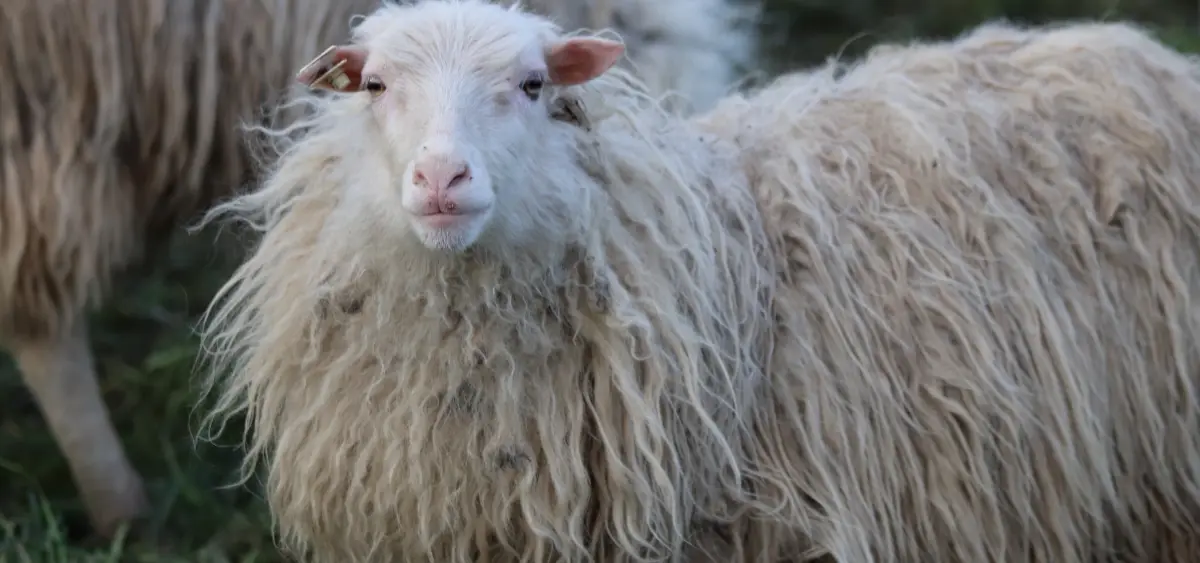
Wool is a natural fiber that comes from animals, mainly sheep. Sheep grow a soft, thick coat to protect themselves from heat, cold, and rain. Farmers carefully cut this coat once a year. This process is called shearing, and it does not hurt the sheep when done properly. Wool is made of a protein called keratin, the same protein found in our hair and nails. That’s why wool is strong but also flexible. Many people confuse wool with fleece. But they are different. Wool comes from animals. Fleece is usually a synthetic (plastic-based) fabric. So in simple words, wool is a renewable natural fiber that grows back every year.
How Is Wool Made?
The wool-making process starts on farms. Sheep eat grass, and their coats grow thick over time.
- Sheep are sheared once a year.
- The raw wool is cleaned to remove dirt and natural oil (lanolin).
- The fibers are combed and straightened (this is called carding).
- The fibers are spun into yarn.
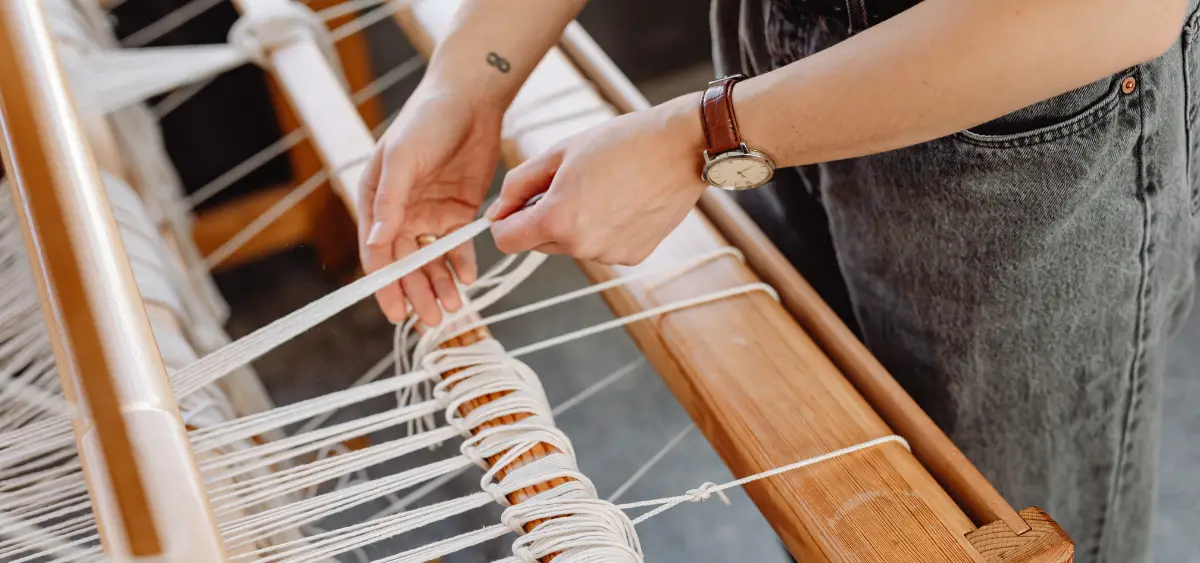
- The yarn is woven or knitted into fabric.
Today, many farms use better technology to reduce waste and handle animals gently.
Different Types of Wool
Not all wool is the same.
- Merino wool – Merino wool comes from Merino sheep. It is very soft and thin. It does not feel itchy like regular wool.
It is great for T-shirts, sweaters, socks, and even sports clothes because it keeps you warm in winter and cool in mild weather. - Cashmere – Cashmere comes from goats. It is very soft, light, and warm. It is more expensive because it is rare and takes more work to collect. Cashmere is mostly used for luxury sweaters and scarves.
- Alpaca wool – Alpaca wool comes from alpacas. It feels smooth and silky. It is good for people with sensitive skin because it is less itchy. It is also strong and lasts a long time.
Wool can also be blended with other fabrics like cotton or silk for different textures and uses.
Benefits of Wool Clothing
Wool has so many great benefits. Let’s talk about them in a simple and friendly way.
- Keeps You Warm in Winter: Wool holds tiny pockets of air inside its fibers. These air pockets keep your body heat close to you. That’s why a wool sweater feels so warm and cozy on cold days.
- Keeps You Cool in Mild Weather: Wool is not only for winter. It adjusts to your body temperature. When it’s a little warm, it lets heat escape so you don’t feel too hot. That’s why light wool clothes can be worn in different seasons.
- Absorbs Sweat Without Feeling Wet: One amazing thing about wool is that it can absorb a lot of moisture without feeling damp. It pulls sweat away from your skin and keeps you feeling dry and comfortable for hours.
- Reduces Bad Smell Naturally: Wool doesn’t trap bad smells easily. It has natural properties that help stop odor. So you don’t have to wash wool clothes as often as synthetic ones.
- Stretches and Keeps Its Shape: Wool fibers can stretch and then go back to their original shape. This means your clothes won’t lose their fit quickly.
- Safer Around Fire: Wool doesn’t catch fire easily. It burns slowly and can even stop burning when the flame is removed. That makes it safer compared to many man-made fabrics.
- Soft and Comfortable: Modern wool, especially fine wool like Merino, feels soft and smooth. It’s not as itchy as people used to think.
- Strong and Long-Lasting: Wool is strong and durable. If you take good care of it, your wool clothes can last for many years.
In short, wool is warm, breathable, comfortable, and long-lasting, which is why people have loved it for so many years.
How Does Wool Keep You Warm?
Wool fibers are naturally crimped (curly). These curls trap tiny pockets of air. Air works as insulation and keeps your body warm. It also removes moisture from your skin, so you don’t feel cold and sweaty in winter.
Wool vs Polyester
Polyester is made from petroleum (plastic). It is cheap and dries quickly. But:
- It traps heat
- It causes sweating
- It releases microplastics when washed
- It does not break down naturally
Wool, on the other hand:
- Breathes better
- Does not release microplastics
- Breaks down naturally in soil
- Feels more comfortable for long wear
Is Wool Biodegradable?
Yes, wool is biodegradable. It can break down naturally in soil within months and return nutrients to the earth. Synthetic fabrics can take hundreds of years to decompose. That’s a big environmental advantage.
Is Wool Sustainable?
Wool can be sustainable, but only when produced responsibly.
Why it can be sustainable:
- Sheep grow new wool every year (renewable resource)
- It is natural and biodegradable
- It lasts a long time
- It doesn’t create plastic pollution
Concerns:
- Sheep produce methane gas
- Poor farming practices can harm animals
- Chemical processing can affect the environment
- Ethical wool farming focuses on:
- Animal welfare
- No harmful practices
- Healthy grazing systems
- Better land management
When farms follow these standards, wool becomes a much greener option.
Conclusion
So, what is wool? It’s a natural, renewable, and mostly eco-friendly fiber when produced the right way. It keeps you warm, lasts long, and breaks down naturally. Compared to synthetic fabrics, wool is often the better choice for the planet, especially when sourced ethically. Next time you wear a wool sweater, you’ll know exactly where it comes from and why it matters, Would you choose wool for a more sustainable wardrobe?
Also, read: Top 10 Sustainable Fabrics That Are Saving Our Planet!
Also, read: Is Your Pet’s Carbon Footprint Bigger Than You Think?
Also, read: This Startup is Turning Textile Trash into Sustainable Treasure- meet FABBRICKS
Also, read: How an Eco-Friendly World Energy Mix Can Drive Sustainability Goals
Also, read: From Trash to Treasure: How Waste Management Supports Sustainability
Also, read: Why Organic Cotton is Better for You and the Earth?