Every year on March 23, the world comes together to celebrate World Bear Day, a day dedicated to honoring these powerful yet gentle animals. But behind the celebration lies a hard truth. Out of the eight bear species found across the planet, six are now threatened or vulnerable, according to the IUCN Red List. World Bear Day was first observed in 1992, and for over 30 years, it has helped shine a global spotlight on bears, not just to admire them, but to remind us that they urgently need protection.
The challenges bears face today
Life in the wild has become increasingly difficult for bears. Illegal wildlife trade and habitat loss are the biggest threats they face. Forests are disappearing due to logging, expanding farms, and growing cities. Climate change is altering food sources and melting ice habitats. As humans move deeper into bear territories, conflicts increase, often with tragic outcomes for bears.
Yet bears play an essential role in keeping ecosystems healthy. They help spread seeds, enrich soil, and control animal populations, supporting forests and plant life that many other species depend on. Protecting bears means protecting nature itself. As World Bear Day 2026 approaches, it’s important to look beyond statistics and focus on real lives, the bears who have suffered, survived, and healed thanks to sanctuaries around the world.
Stories from Bear Sanctuaries Around the World
Behind the fences of bear sanctuaries are stories of pain, survival, and hope. These places are not just shelters, they are spaces where bears are treated with dignity, patience, and care, often for the first time in their lives.
Kainat (Rocky): From bear baiting to safety
In February 2025, animal welfare organization FOUR PAWS rescued a seven-year-old Asiatic black bear named Kainat, later renamed Rocky. His past was heartbreaking. Rocky had been forced into around 35 bear baiting fights, a brutal blood sport where bears are attacked by trained dogs.
When veterinarians examined him, they discovered that all his teeth had been painfully removed without anesthesia so he couldn’t fight back. A metal ring had also been forced through his nose to control him. After medical care and months of rehabilitation, Rocky now lives in a spacious enclosure where he can finally behave like a bear and he’s even formed a bond with another rescued bear named Bantu.
Chinh: Freedom after 20 years in a cage
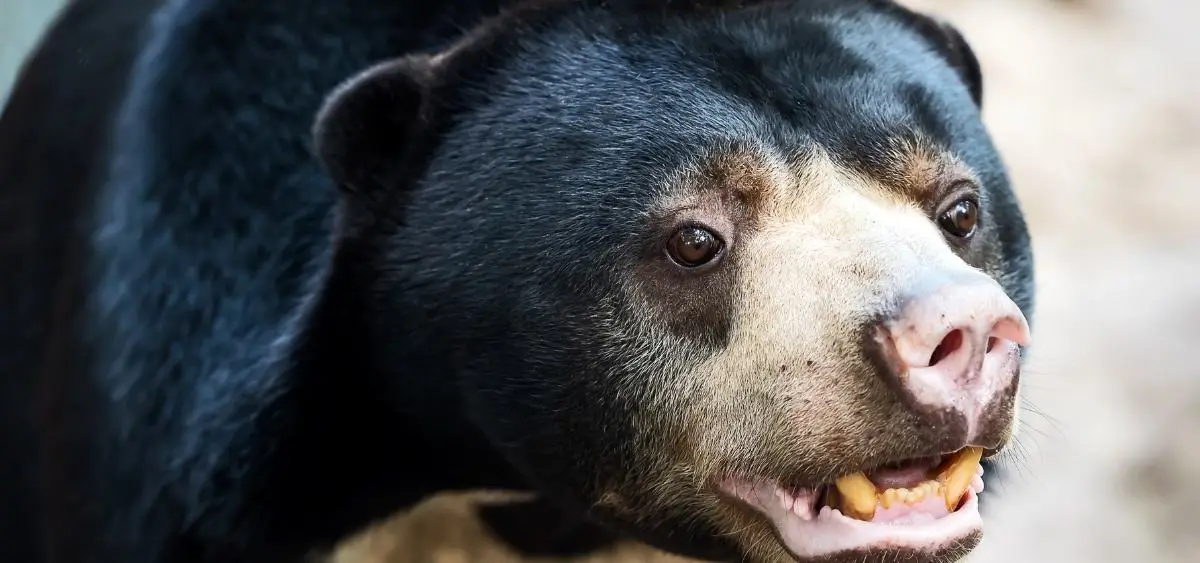
In Vietnam, a moon bear named Chinh spent two decades trapped inside a tiny steel cage, used for bile extraction, a cruel industry that still exists despite bans. In May 2024, Chinh was finally rescued and brought to a FOUR PAWS sanctuary in Ninh Binh.
Today, he roams freely across 5.5 hectares of semi-wild forest, climbing, exploring, and resting as nature intended. His rescue is part of a larger success story, Vietnam has reduced bile bears by 95%, proving that change is possible when laws are enforced and awareness grows.
Dominga: A second chance in the Amazon
On Valentine’s Day, an endangered spectacled bear named Dominga was rescued from a remote zoo in the Andes and transported to the Taricaya Ecological Reserve in Peru. She and her sister had been stolen from the wild as cubs by traffickers. Sadly, her sister didn’t survive.
After a long and difficult journey involving boats and broken-down trucks, Dominga stepped into her new home, filled with trees, water, and space to explore. Slowly, her stress faded as she rediscovered what it means to live like a bear again.
How Sanctuaries Help Bears Heal?
Every rescued bear arrives with a different story and different trauma. Sanctuaries understand this. New arrivals are carefully quarantined, treated by veterinarians, and slowly introduced to enriched environments designed for climbing, swimming, digging, and foraging. For bears with emotional scars, caregivers use gentle techniques, hiding food, creating puzzles, and giving them time. With patience and compassion, many bears learn to trust humans again and rediscover their natural instincts.
Meet the World’s Eight Bear Species
Bears are incredibly diverse, each species uniquely adapted to its environment:
- North American Black Bear – Excellent climbers, surprisingly fast runners, and found in many colors.
- Asiatic Black Bear (Moon Bear) – Recognizable by their white chest marking and sadly targeted for bile farming.
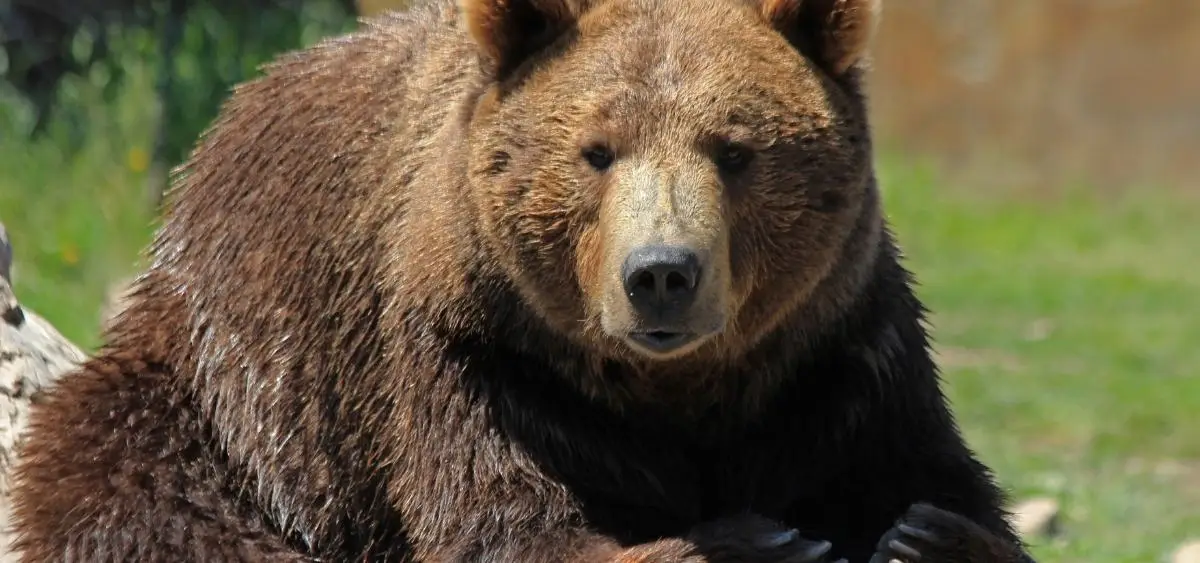
- Brown Bear / Grizzly Bear – Powerful bears with a distinctive shoulder hump, found across Europe, Asia, and North America.
- Giant Panda – Bamboo-loving icons with only about 1,800 left in the wild.
- Polar Bear – Arctic giants struggling as sea ice melts faster each year.
- Andean (Spectacled) Bear – South America’s only bear, known for tree-nesting habits.
- Sloth Bear – Insect specialists with loud slurping sounds and shaggy coats.
- Sun Bear – The smallest bear species, famous for their long tongues and expressive faces.
Why Bears Need Protection Now More Than Ever?
Bears across the globe face unprecedented threats, making conservation efforts on World Bear Day more critical than ever before.
- Habitat loss due to deforestation and urbanization: As cities expand, bears lose vital spaces needed for survival. Currently, habitat destruction stands as the primary threat to all three bear species in the United States. Throughout Asia, this combination of habitat fragmentation alongside human conflict pushes bear populations toward extinction. Moreover, agricultural expansion remains particularly devastating as forests are cleared for plantations, increasing human-bear conflicts.
- Climate change and its impact on polar and brown bears: Arctic temperatures are rising nearly four times faster than the global average. Consequently, polar bears now spend up to a month longer on shore without access to food compared to previous generations. With high greenhouse gas emissions, studies predict steeply declining reproduction will jeopardize all but a few high-Arctic subpopulations by 2100. Similarly, warming temperatures force Asiatic black bears in the Hindu Kush region to migrate to higher elevations where food may be scarce.
- Illegal wildlife trade and bear bile farming: More than 10,000 bears endure tiny cages across Asia for bile extraction. In China alone, over 20,000 bears remain in legally licensed bile farms. Though banned in Vietnam since 2005 and South Korea from 2026, this billion-dollar industry continues through weak enforcement.
- Bear baiting and cruel entertainment practices: Despite illegality, bears are still forced to “dance” or fight dogs for entertainment. Their teeth are removed and muzzles painfully pierced without anesthesia, causing severe physical and psychological trauma.
How You Can Help Bears?
You don’t have to be a wildlife expert to make a difference:
- Donate to trusted bear sanctuaries and conservation groups
- Raise awareness on World Bear Day (March 23)
- Educate children and communities about bear behavior and conservation
- Support laws that protect bear habitats
- Join wildlife protection campaigns and speak up for bears
Even small actions, when taken together, create real change.
Conclusion
World Bear Day is more than a date on the calendar. It’s a reminder of our shared responsibility toward these incredible animals. Stories like Rocky, Chinh, and Dominga show us that healing is possible and that compassion works. While the challenges are serious, hope exists. Sanctuaries around the world are proving that when humans choose care over cruelty, bears can recover, thrive, and live with dignity. As World Bear Day 2026 approaches, let these stories inspire you. Speak up. Support conservation. And help ensure that all eight bear species continue to roam the planet for generations to come.
Also, read: What Is the Dead Sea and Why Doesn’t Anything Live in It?
Also, read: International Moon Bear Day: Stand Up for the Moon Bears!
Also, read: International Polar Bear Day 2026: History & Why It Matters!
Also, read: Nuclear Device Himalayas: Nanda Devi Plutonium Mystery!
Also, read: Veganuary: Try Plant-Based Living for 31 Days
Also, read: Meet Goliath Birdeater: The Monster Spider of the Amazon!