September has that fresh, slightly cool feeling in the air, right? The intense summer heat starts backing off, and your garden suddenly feels like it can breathe again. If you’ve been wondering what to plant in September, this is actually one of the best times to start. Think of it as a second chance in the gardening year — a calm, rewarding season without the chaos of spring.
This month gives you a perfect window to plan your autumn garden. The soil is still warm from summer, which helps seeds sprout quickly. At the same time, the cooler air makes it easier for many plants to grow without stress. You can sow seeds directly into the ground or transplant young plants that prefer cooler weather. In many places, you’ll be harvesting fresh food all through fall, and in milder climates, even into winter.
One of the best parts of September gardening is how satisfying it feels. Imagine stepping outside and picking fresh spinach or radishes while others are buying tired vegetables from the store. That’s the beauty of seasonal gardening. With climate patterns shifting in recent years, many regions are experiencing slightly warmer autumns, which can extend the growing season by a week or two. That means even more opportunity for homegrown food.
Let’s break it down in a simple, practical way so you can decide what works best for your location, whether you’re gardening in the US, UK, India, or anywhere else.
Why September Is So Good for Planting?
September sits right between summer and fall. The soil hasn’t cooled down yet, so seeds germinate quickly. But the air temperature drops enough to prevent common problems like bolting in leafy greens. Plants grow steadily instead of struggling with extreme heat.
Another benefit? Fewer pests. Many summer insects start fading out, which means your crops face less damage. In regions like India, the post-monsoon period brings moisture that helps seeds establish easily. In the US and UK, it’s the perfect time to plant frost-tolerant crops before winter arrives.
You also avoid the busy rush of spring planting. Instead of competing with unpredictable weather, you get calmer conditions and quicker results.
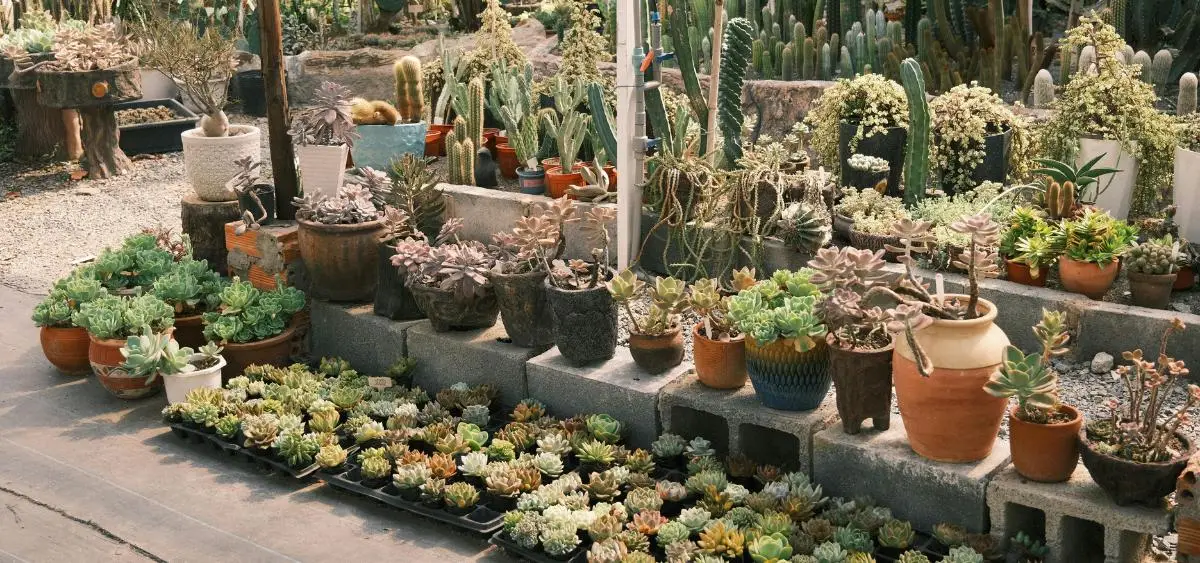
Best Vegetables to Plant in September
September is ideal for cool-season vegetables. These crops actually prefer cooler temperatures and often taste better after a light chill.
1. Leafy Greens
Lettuce, spinach, and kale are top choices. They grow fast and are perfect for salads and stir-fries. Spinach usually matures in about 40 to 50 days and tastes sweeter in cool weather. Arugula (Eruca Sativa) and mustard greens are also great options. If you live somewhere mild, these can even continue growing into winter.
2. Root Vegetables
Radishes are one of the fastest crops you can grow, some are ready in just 30 days. Carrots and beets also do very well in September. Cooler soil helps them develop better flavor and texture. Turnips and kohlrabi are good choices too, especially in warmer regions.
3. Brassicas
Broccoli, cauliflower, and cabbage can be planted now to establish strong roots before colder weather arrives. These crops may take 45 to 75 days depending on the variety. In warmer climates, vegetables like capsicum or brinjal can still be planted if temperatures remain moderate.
4. Legumes
Peas are excellent for September. Sugar snap peas climb easily and give crisp pods in about two months. Beans can also work in milder climates. Legumes improve soil health by fixing nitrogen, which helps future crops.
For best results, try succession planting. That simply means sowing small batches every couple of weeks so you have a continuous harvest instead of everything ripening at once.
Herbs to Plant in September
Herbs are easy and rewarding this time of year.
- Cilantro grows much better in cooler temperatures because it’s less likely to bolt. Parsley is another strong option and works well in both pots and garden beds. Dill grows quickly and pairs nicely with fall vegetables.
- If you’re thinking long-term, September is a good time to plant hardy perennials like rosemary, thyme, and sage. They can establish strong roots before winter and return even stronger next year.
- Keep the soil slightly moist, and consider adding mulch to maintain warmth and reduce water loss. Herbs not only enhance your cooking but can also help deter pests naturally.
Flowers and Bulbs for Autumn Color
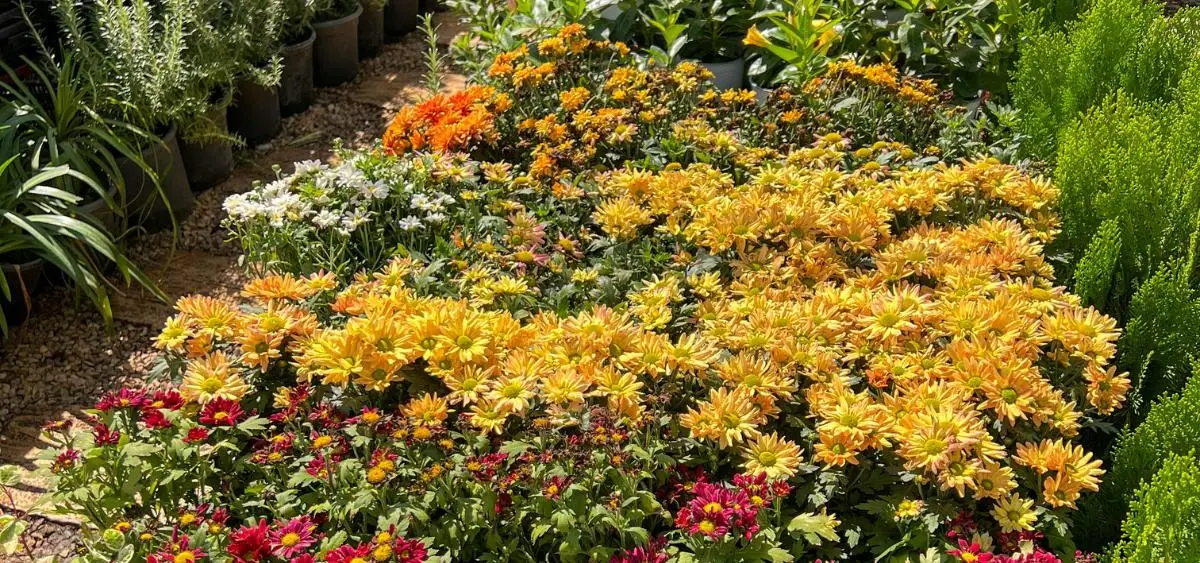
September isn’t just about vegetables. It’s also a wonderful time to add color to your garden. Calendula and marigolds are easy, hardy flowers that tolerate cooler weather. They also help repel pests when planted near vegetables. Nasturtiums are another great choice, their flowers are edible and they attract beneficial insects.
In India, flowers like asters, zinnias, and petunias grow well in sunny areas. In the UK, pansies and cornflowers can brighten up the garden during cooler months. September is also the ideal time to plant spring-flowering bulbs. Daffodils and crocuses should go into the soil now so they can establish roots before winter.
A simple rule, plant bulbs at a depth about three times their size in well-drained soil. Mixing flowers with vegetables is a smart idea. It improves pollination and creates a healthier garden environment overall.
Fruit and Long-Term Crops
If you’re thinking ahead, September is good for planting strawberries. They root well now and reward you next season. Space them properly so they have room to spread.
Garlic is another excellent choice. It actually needs cold weather to form proper bulbs, so planting in September or October sets you up for a strong harvest next summer. In warmer climates, you may still be able to plant certain fruit trees so they can establish before the next growing season.
Adjusting for Your Region
Your exact planting choices depend on your local climate and first frost date. In colder regions where frost arrives early, focus on fast-growing crops like radishes and spinach. In mild areas, carrots, peas, and brassicas will do well. In warmer climates, heat-tolerant beans, herbs, and leafy greens can thrive longer.
If frost is a concern, use simple protection like garden fleece or cloches. With recent climate shifts, some regions are seeing slightly delayed frosts, giving gardeners a bit more flexibility, but it’s still wise to check local forecasts.
Simple September Planting Checklist
To make things easy, here’s a quick checklist:
- Prepare your soil by adding compost.
- Sow seeds directly where possible.
- Keep the soil moist but not waterlogged.
- Use mulch to retain warmth and moisture.
- Protect young plants from pests or sudden temperature drops.
- Rotate crops to prevent disease buildup.
If you don’t have a large garden, containers work perfectly for herbs and leafy greens.
Final Thoughts
September gardening feels calmer, simpler, and incredibly rewarding. The weather works in your favor, pests decrease, and crops often taste better in cooler conditions. Whether you want fresh salads, colorful flowers, or long-term fruit plants, this month gives you a strong opportunity to grow something meaningful.
Starting now means you’ll soon enjoy fresh harvests while others assume the growing season is over. So grab your gloves, prepare your soil, and give your garden that fresh start. September might just become your favorite planting month.
Also, read: The Science Behind the Black Panther Phenomenon
Also, read: From Bottles to Jackets: The Real Story of Recycled Polyester
Also, read: How Does a house Sewage water Treatment Plant Work?
Also, read: What Are Peatlands and Why They Matter More Than Forests?
Also, read: How Shrimp and Rice Grow Together in One Field With Zero Waste