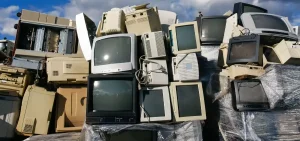
Have you ever thought about how we could turn huge piles of plastic waste into useful fuel and materials, without burning them? That’s where pyrolysis comes in. It’s a process that uses heat to break down materials like plastics, biomass, or old tires in an environment with no oxygen. Instead of catching fire, these materials slowly break apart into simpler and valuable products. So, what is pyrolysis? Simply put, it’s a smart way to turn waste into energy and useful resources using controlled heat.
What is Pyrolysis?
Pyrolysis is a technology that uses heat to change materials without burning them. Unlike incineration, where waste is burned in the presence of oxygen, pyrolysis works in an oxygen-free environment. This small difference makes a big impact. Because there is no oxygen, the material doesn’t catch fire. Instead, heat slowly breaks it down into useful products.
Most pyrolysis systems operate at temperatures between 300°C and 900°C, depending on what material is being processed and what final product is needed. Lower temperatures usually produce more solid material, known as char. Higher temperatures tend to produce more liquids and gases. Since there is no combustion, harmful emissions are much lower compared to traditional waste burning or dumping methods.
One of the biggest strengths of pyrolysis is its flexibility. It can process many different types of materials. Plastic pyrolysis, in particular, has gained attention because it can handle mixed, dirty, or low-quality plastics that normal recycling plants cannot process. Mechanical recycling often fails when plastics are contaminated or made of multiple layers, but pyrolysis can still convert them into valuable products.
Waste-to-energy pyrolysis goes a step further. It turns non-recyclable plastics, biomass, and organic waste into fuels and energy. Instead of sending waste to landfills or letting it pollute oceans, pyrolysis recovers value from it. This makes the technology an important part of the circular economy, where waste is reused rather than thrown away.
How the Pyrolysis Process Works?
At its core, the pyrolysis process happens in three main stages.
- The first stage is drying. Any moisture present in the material is removed as the temperature rises. This step is important because excess water can reduce efficiency.
- The second stage is thermal decomposition. Here, heat breaks long molecular chains, especially in plastics and biomass, into smaller molecules. This happens through processes like cracking and depolymerization. In simple terms, heat causes the material to fall apart into simpler substances.
- The final stage is condensation. The vapors produced during heating are cooled down. When they cool, they turn into liquid fuels, while solid residues and gases remain separate.
Pyrolysis is an endothermic process, meaning it needs heat to keep running. Factors like temperature, heating speed, and how long the material stays in the reactor strongly affect the final output. Fast pyrolysis uses rapid heating and short processing time to maximize liquid fuel production. Slow pyrolysis works over a longer time and produces more char.
Modern pyrolysis machines are highly automated. They control feeding, heating, cooling, and product separation with minimal human involvement. This improves safety, efficiency, and consistency, making the technology suitable for industrial use.
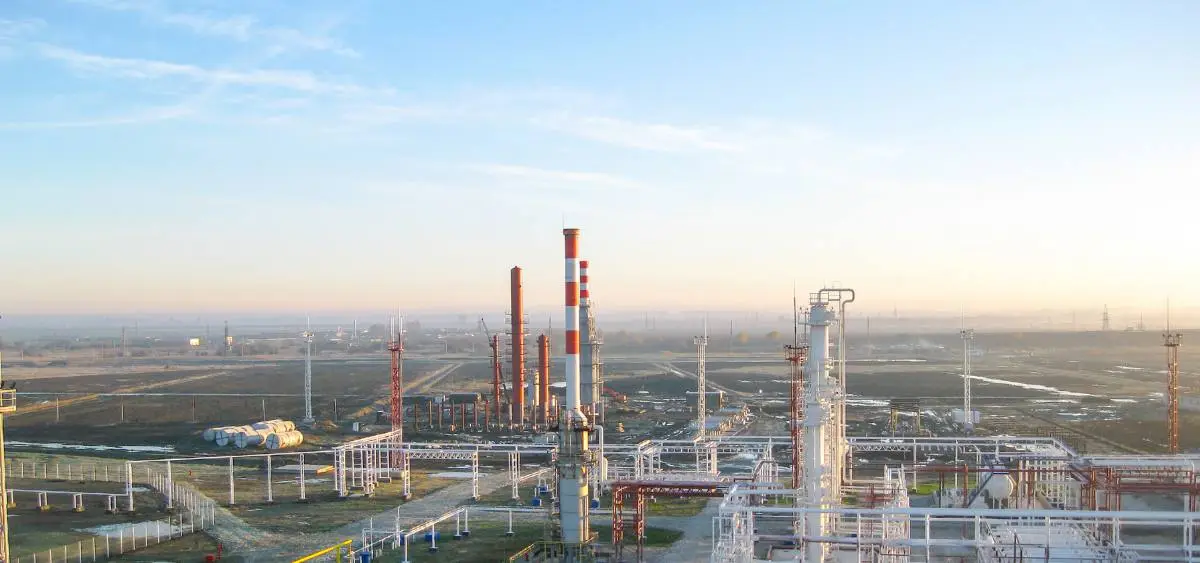
Pyrolysis Plants, Reactors, and Machines
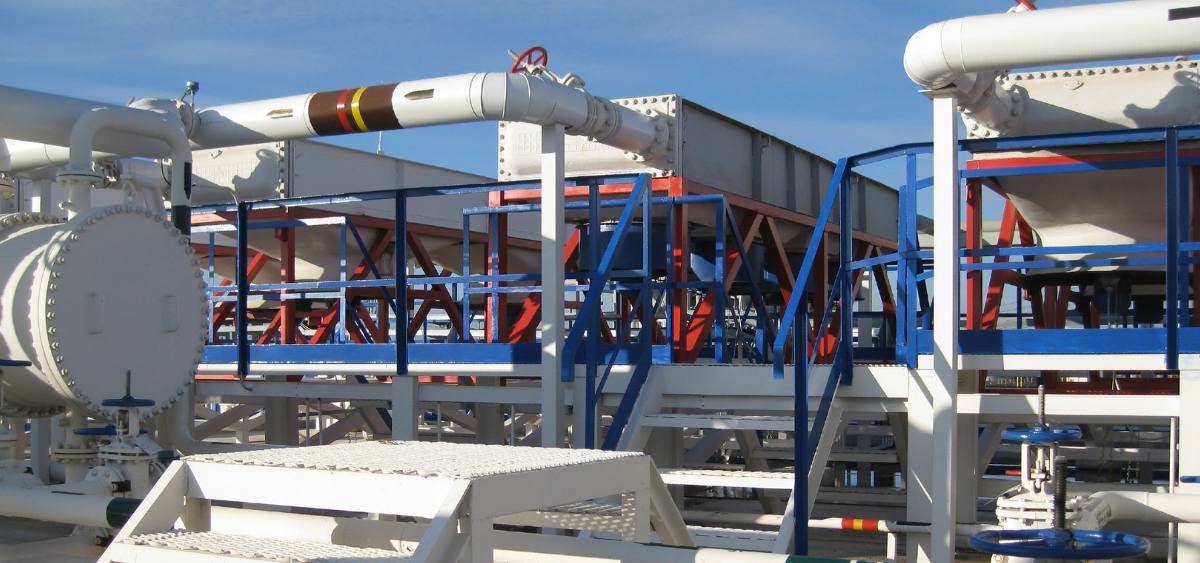
A typical pyrolysis plant includes several key parts. At the center is the pyrolysis reactor, where the actual chemical breakdown takes place. Supporting equipment includes feeding systems, condensers to cool vapors, gas handling units, and storage tanks.
There are different reactor designs, such as rotary kilns, fluidized beds, and auger reactors. Each design suits different materials and production scales. Large, continuous plants are ideal for industrial operations that process waste nonstop. Smaller batch machines work well for local or small-scale waste treatment.
In recent years, engineers have made major improvements. Better heat recovery systems reduce energy use. Catalysts improve fuel quality. Smart controls monitor temperatures and emissions in real time. All these advances make pyrolysis plants more efficient, cleaner, and easier to operate worldwide.
What Comes Out of Pyrolysis?
Pyrolysis produces three main products: liquids, solids, and gases. The liquid product is commonly called pyrolysis oil. This oil can be used as fuel for engines, boilers, and generators. With further refining, it can be turned into diesel, gasoline, or chemical feedstocks for industry.
The solid product is usually char or carbon black, especially when processing tires or plastics. Carbon black is widely used in rubber manufacturing, paints, inks, coatings, and even construction materials.
The gas produced during pyrolysis is often reused within the system. It can provide heat for the reactor itself or generate electricity. This makes many pyrolysis plants partially self-sustaining, reducing their dependence on external energy. Together, these outputs help close material loops and reduce waste.
Plastic Pyrolysis and Waste-to-Energy
Plastic pyrolysis is especially useful for dealing with hard-to-recycle plastics, such as plastic films, multilayer packaging, and mixed waste. In this process, shredded plastic is heated inside a pyrolysis machine, producing oil that can replace fossil fuels.
Waste-to-energy pyrolysis dramatically reduces landfill waste. From suitable plastic types, liquid fuel yields can reach 60–80%, especially when fast pyrolysis is used at temperatures between 450°C and 600°C.
This is important because the world produces over 380 million tons of plastic waste every year. Pyrolysis turns this global problem into an opportunity by converting waste into fuel, energy, and raw materials.
Pyrolysis vs Incineration
People often compare pyrolysis and incineration, but the two are very different. Incineration burns waste with oxygen, producing heat but also ash, toxic gases, and high carbon emissions. Pyrolysis avoids burning altogether. Instead of destroying material, it transforms it into useful products.
Pyrolysis generally releases fewer pollutants, creates valuable outputs, and takes up less space. It also works well alongside renewable energy sources, using clean electricity or recovered gases for heating.
Environmental Benefits of Pyrolysis
Pyrolysis offers strong environmental advantages. It reduces landfill use, prevents ocean pollution, and cuts greenhouse gas emissions. Some studies show pyrolysis can reduce emissions by up to 40% compared to traditional waste treatment methods.
For plastic waste, chemical recycling through pyrolysis can achieve up to 78% lower CO₂ emissions compared to incineration with energy recovery. Biomass pyrolysis produces biochar, which improves soil quality, holds moisture, and stores carbon for long periods. These benefits support climate goals, resource efficiency, and sustainable development.
Uses Across Industries
Pyrolysis is used far beyond waste management. It supports the production of renewable fuels, bio-based chemicals, hydrogen, and industrial energy. Pyrolysis gas powers boilers and generators. Carbon black strengthens tires and construction materials.
New applications include upgrading bio-oil into aviation fuel and integrating pyrolysis products into existing oil refineries. Because fuels produced through pyrolysis can be stored and used anytime, they complement solar and wind energy very well.
Market Growth and the Road Ahead
By 2026, the pyrolysis industry is growing rapidly. The plastic pyrolysis oil market alone crossed USD 700 million and continues to expand. Chemical recycling, led by pyrolysis, is expected to grow at a very fast rate due to stricter waste rules and climate policies.
New technologies like catalytic pyrolysis, microwave heating, and large continuous plants are improving efficiency and reducing costs. Governments are also supporting pyrolysis through incentives, landfill bans, and carbon credit programs.
Final Thoughts
Pyrolysis is not just a technology, it’s a practical solution for modern waste and energy challenges. It turns waste into fuel, materials, and long-term resources while reducing pollution and emissions.
From small community-level machines to large industrial plants, pyrolysis offers real hope for a cleaner, more circular future. As the technology continues to evolve, its ability to solve waste problems will only grow. The question now is not whether pyrolysis works, but how widely and wisely we choose to use it.
Also, read: Global Crisis! Impact of Climate Change Are Worse Than Expected
Also, read: Billionaire Gives Away $3 Billion Company to Save the Planet!
Also, read: The Rise of the Circular Economy: How Tech is Reducing Waste
Also, read: How Lohum Is Making Millions from Waste Batteries!
Also, read: The Shocking Benefits of Repurposing You Never Knew About!
Also, read: The Impact of War on Environment: Damage to Land, Water, and Wildlife