
Ever wondered what hides behind those sleek, buttery handbags that scream luxury without a hint of guilt? Spoiler- it’s not what you think, it’s pineapple. Yes, the tropical fruit we slice into smoothies now stars as the hero in high-end wardrobes. Meet Pinatex, the pineapple leather that’s flipping the script on sustainable fabric. This plant-based leather turns farm waste into wearable art, and it’s capturing hearts and closets worldwide. If you’re into eco-conscious fashion, buckle up. This story will change how you shop.
What is Pinatex?
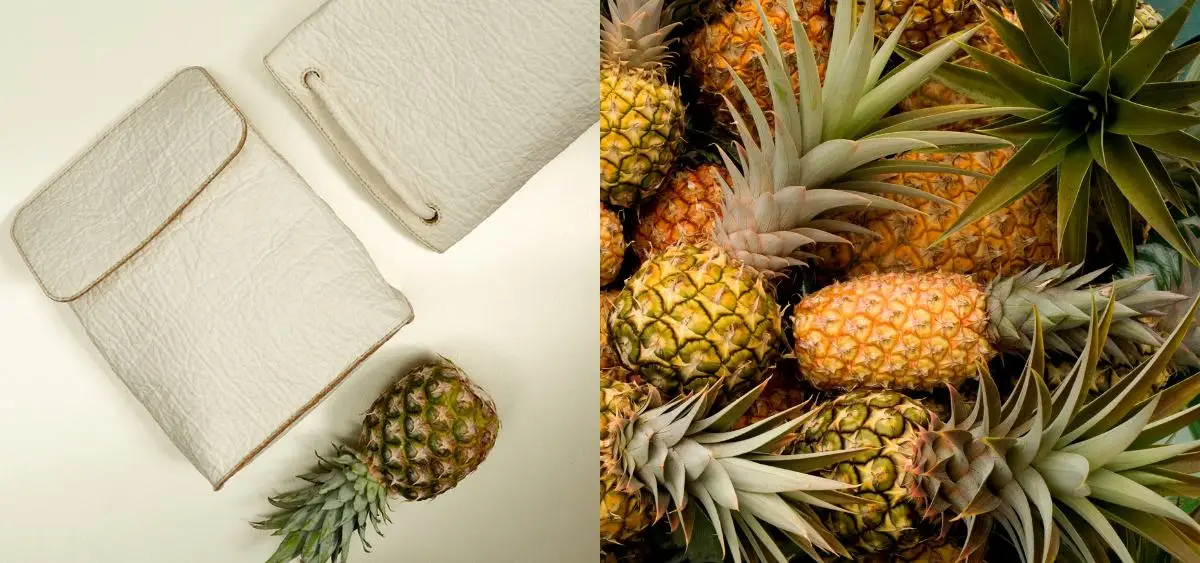
Pinatex bursts onto the scene as a clever twist on traditional materials. Designers craft it from pineapple leaf fibers, those tough greens left behind after harvest. Farmers once tossed them aside or burned them, releasing unnecessary smoke into the air. Now, these scraps become Pinatex fabric, a vegan leather alternative that mimics the real thing’s supple feel.
Imagine this, a non-woven textile that’s 80% pineapple fiber and 20% corn-derived polylactic acid. A thin, bio-based coating seals the deal, adding water resistance and that polished shine. Unlike synthetic fakes loaded with petroleum, Pinatex stays true to its roots. It’s breathable, flexible, and tough enough for daily wear. Brands love it for its natural texture, think subtle weaves that add character without trying too hard.
How Does Pinatex Production Work?
Curious about the magic? The journey starts on pineapple farms, mostly in the Philippines, where growers collect leaves post-harvest. No extra water or chemicals needed; it’s all about smart reuse. Machines gently decorticate the leaves, pulling out long, silky fibers. Enzymes soften them next, stripping away excess pectin for a fluffy result.
Workers then tease these strands into a felt-like base. They blend in the PLA binder and ship rolls to finishing spots in Europe. There, eco-friendly dyes and a durable topcoat bring it to life. The whole process? Zero animal harm, minimal waste. Leftover bits turn into compost or biofuel. One square meter of Pinatex fabric requires fibers from about 480 leaves, roughly 16 plants. That’s efficient upcycling at its finest, turning pineapple waste fabric into something extraordinary.
Why Pinatex Shines in Sustainability?
Let’s talk impact. Pinatex sustainability isn’t just buzz, it’s backed by real change. By repurposing agricultural leftovers, it slashes methane from rotting piles and cuts CO2 from burning. Production guzzles far less water than cotton or leather tanning and it skips toxic chemicals altogether. Pineapple farmers gain a bonus income stream, too, boosting local economies in key growing regions.
Compare it to old-school leather, animal hides demand vast land, feed, and energy, plus ethical headaches. Pinatex sidesteps all that. It’s cruelty-free leather through and through, earning nods from vegan watchdogs. Sure, the coating tempers full biodegradability, but innovators push for plant-only versions. In controlled setups, 80% of the material breaks down naturally. It’s a step toward closing the loop in ethical fashion materials.
And the numbers? The global Pinatex market hit USD 73.39 million in 2024 and eyes steady growth at a 6.20% CAGR through 2034. That’s demand surging as shoppers crave innovative textile materials like this one.
Pinatex Fashion: From Runways to Your Wardrobe
Pinatex fashion feels fresh yet timeless. It graces everything from statement pieces to everyday essentials. Imagine slipping into Pinatex shoes, sandals that hug your feet with a tropical vibe, or sleek sneakers built to last. Brands like NAE Vegan Shoes rolled out fresh collabs in 2025, blending comfort with that signature pineapple punch.
Bags steal the show, too. Pinatex bags swing from minimalist totes to bold clutches, all while whispering “I’m kind to the planet.” Upholstery gets a green upgrade, think sofa accents or car seats that ditch plastic vibes. Even accessories like belts and wallets pop with its versatile dyes: earthy browns, metallic golds, or crisp neutrals.
Big names paved the way. Hugo Boss dropped men’s Pinatex leather footwear back in 2018. H&M followed with boots and jackets. Chanel even crowned a hat in shimmering gold Pinatex. Today, over 1,000 companies, from indie labels to hotel chains, embrace it. It’s not niche anymore; it’s the future of eco-friendly material in luxury lines.
The Allure of Plant-Based Leather Alternatives
What draws us in? Pinatex offers a natural leather alternative that doesn’t compromise. It’s lighter than cowhide, easier to print patterns on, and rolls out waste-free, no awkward hide cuts. For vegans, it’s a win, fully plant-based, no compromises on style or strength.
Care is simple, too. Wipe with a soft cloth, re-wax occasionally for that protective sheen and air-dry. Avoid harsh heat or chemicals to keep it thriving. In a world chasing green threads, Pinatex stands out as an upcycled gem. It weaves pineapple fiber fabric into broader tales of circular design, where waste fuels wonder.
Wrapping Up: Your Next Sustainable Style Move
Pinatex proves luxury and ethics can tango. This pineapple leaf fabric redefines what’s possible, one leaf at a time. Next time you eye a chic bag or pair of kicks, ask- is it Pinatex-powered? Dive in, support the shift, and wear the change. Eco-conscious fashion waits for no one, grab your slice of the tropics today. What’s your first Pinatex pick? Drop a comment; I’d love to hear.
FAQs
1. What is Pinatex?
Pinatex is an eco-friendly fabric made from pineapple leaf fibres. It is often used as a sustainable alternative to leather.
2. How is Pinatex made?
Pinatex is produced by extracting fibres from pineapple leaves, converting them into a mesh-like material, and then processing it into a durable fabric.
3. Is Pinatex vegan?
Yes. Pinatex is 100% vegan and cruelty-free because it is made from plant fibres and contains no animal products.
4. What can Pinatex be used for?
It is commonly used for shoes, bags, wallets, clothing, upholstery, and other fashion or lifestyle items.
5. Is Pinatex biodegradable?
Pinatex contains natural fibres and some biodegradable components, but the final material may not be fully biodegradable due to added coatings.
6. Is Pinatex durable?
Yes. Pinatex is strong, water-resistant, and long-lasting, making it a practical option for everyday use.
Also, read: The Untold Story of Mundi Elephant: From Captivity to Freedom
Also, read: Double the Tigers: The Powerful Story Behind the TX2 Movement
Also, read: This Startup is Turning Textile Trash into Sustainable Treasure- meet FABBRICKS
Also, read: Is Your Pet’s Carbon Footprint Bigger Than You Think?
Also, read: Why Lyocell is the Smartest Sustainable Fabric Choice?
Also, read: How Duckweed Helps Scientists Treat Wastewater Naturally?
Also, read: 7 Yummy Vegan Breakfasts You Can’t Resist!