Have you ever paused before tossing that cracked smartphone or dusty laptop into the trash? In our fast-paced world of constant upgrades, those gadgets add up quickly. They form what’s known as e-waste, and handling them right matters more than ever. E-waste disposal isn’t just about clearing clutter, it’s a smart step toward protecting our planet and health. By 2026, with global e-waste hitting around 72 million tonnes annually, understanding this issue feels urgent. Let’s break it down simply, from basics to actionable tips, so you can join the responsible e-waste disposal movement today.
Every year, millions of devices are thrown away without a second thought. But here’s the reality, by 2026, the world is expected to generate over 72 million tonnes of e-waste. That’s not just trash. That’s toxic chemicals, lost resources, and a growing environmental crisis. And the solution? It starts with simple awareness and small actions.
What Is E-Waste?
Picture this: your old charger, a flickering monitor, or that forgotten tablet gathering dust. E-waste, short for electronic waste, covers any discarded electrical or electronic device. Think smartphones, computers, TVs, batteries, and even kitchen appliances like microwaves. These items pack batteries, circuits, and screens loaded with valuable, but hazardous, materials.
What makes e-waste tricky? It grows faster than any other waste stream. In 2022 alone, the world churned out 62 million tonnes of it, and experts project a steady climb of about 2.6 million tonnes each year. That’s like stacking a small city’s worth of gadgets yearly. The core challenge? Only about 22% gets properly recycled globally, leaving the rest to linger in landfills or informal dumps. E-waste management starts with knowing your stuff, sort it early to avoid bigger headaches later.
The Environmental Impact of E-Waste: Why It Can’t Wait
E-waste pollution sneaks up quietly but hits hard. When devices break down in dumps, they leach toxins like lead, mercury, and cadmium into soil and water. These heavy metals don’t just harm wildlife, they enter our food chain, raising risks for respiratory issues and neurological damage in communities near sites.
Consider the bigger picture. Improper e-waste disposal pumps out greenhouse gases and demands more mining for rare metals like gold and cobalt. That mining scars landscapes and guzzles energy. In 2026, as digital devices flood markets in places like Asia (home to nearly half the world’s e-waste), the strain intensifies. Europe recycles a solid 43% of its share, but regions like Africa hover below 1%. The result? A widening gap in the global e-waste problem, fueling climate change and resource scarcity. Safe e-waste disposal methods flip this script, turning waste into a win for the environment.
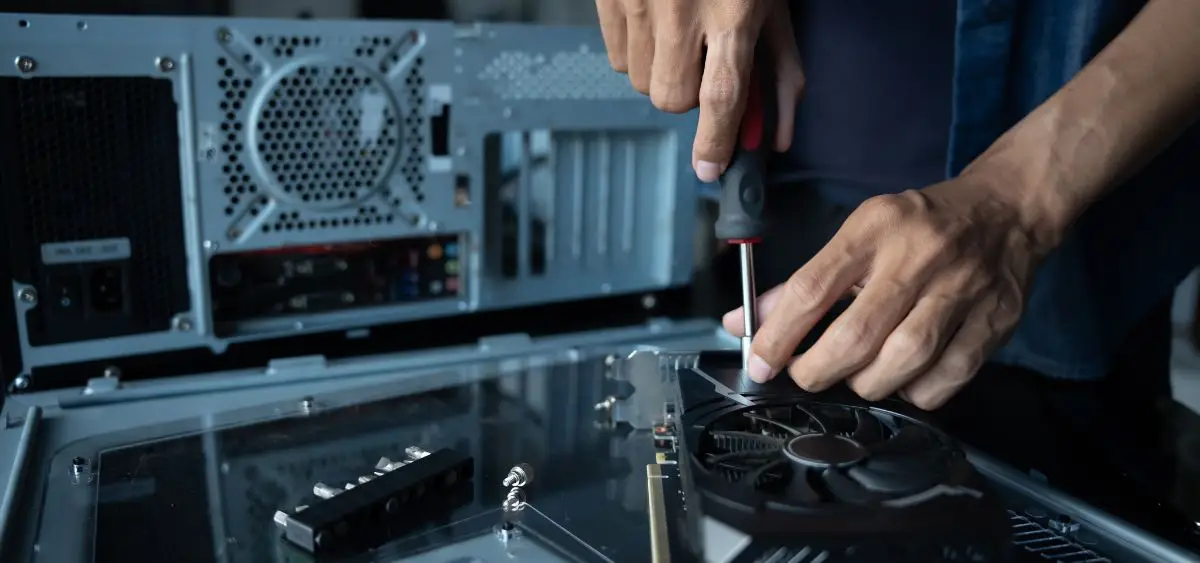
Why bother with electronic waste recycling? It pays off in ways you can feel. First, it recovers treasures, metals like copper, silver, and platinum worth a staggering $91 billion in 2022 alone. Recycling these slashes the need for fresh mining, which can cut energy use by up to 13 times for materials like gold.
Health wins big too. By containing toxins, e-waste recycling curbs air and water pollution, shielding families from long-term illnesses. Businesses see perks: compliant programs boost reputations and trim costs, refurbished gear can save up to 70% on IT budgets. Plus, it sparks jobs in green sectors. On a personal level, responsible e-waste disposal eases your conscience while supporting a circular economy. Who wouldn’t want that?

Environmental Benefits
Proper recycling prevents harmful chemicals like lead and mercury from polluting soil and water. It also saves natural resources by reusing metals like gold and copper, reducing the need for harmful mining.

Economic Benefits
E-waste contains valuable materials that can be recovered and reused, lowering production costs. It also creates jobs in recycling, repair, and green technology sectors.

Personal Benefits
Recycling helps you clear out unused devices and reduce clutter. It also allows you to contribute to a cleaner planet and support a more sustainable future.
How to Recycle Electronic Waste: Simple Steps for Everyday Folks
Ready to act? How to recycle electronic waste boils down to a few easy moves. Start by auditing your space, hunt for old electronics recycling candidates like cables or external drives. Next, seek e-waste collection centers near you. Many cities host drop-off events, or retailers like big-box stores offer take-back programs.
For bulk hauls, schedule pickups from certified services. In 2026, apps and smart bins make it seamless, ultrasonic sensors track fullness levels, and user-friendly tools pinpoint spots. Donate working devices to charities first; it extends their life and aids others. Always wipe data securely before handing over, use built-in resets or pro shredding for peace of mind. These safe e-waste disposal methods keep things straightforward and secure.
Inside the E-Waste Recycling Process: From Trash to Treasure
Curious about what happens next? The e-waste recycling process transforms junk into gold, literally. It kicks off with collection and sorting, where pros separate batteries from boards to dodge hazards.
Then comes dismantling, hands or robots tease apart parts, pulling reusable screens or chips. Shredding follows, grinding everything into bits for separation, magnets snag steel, eddy currents grab aluminum, and water baths isolate plastics. Finally, smelters refine metals for rebirth in new gadgets.
Not everything recycles perfectly, think lead-tainted glass from old monitors, but advances like AI sorting boost yields. This electronic waste management system closes loops, turning urban mines into sustainable supplies.
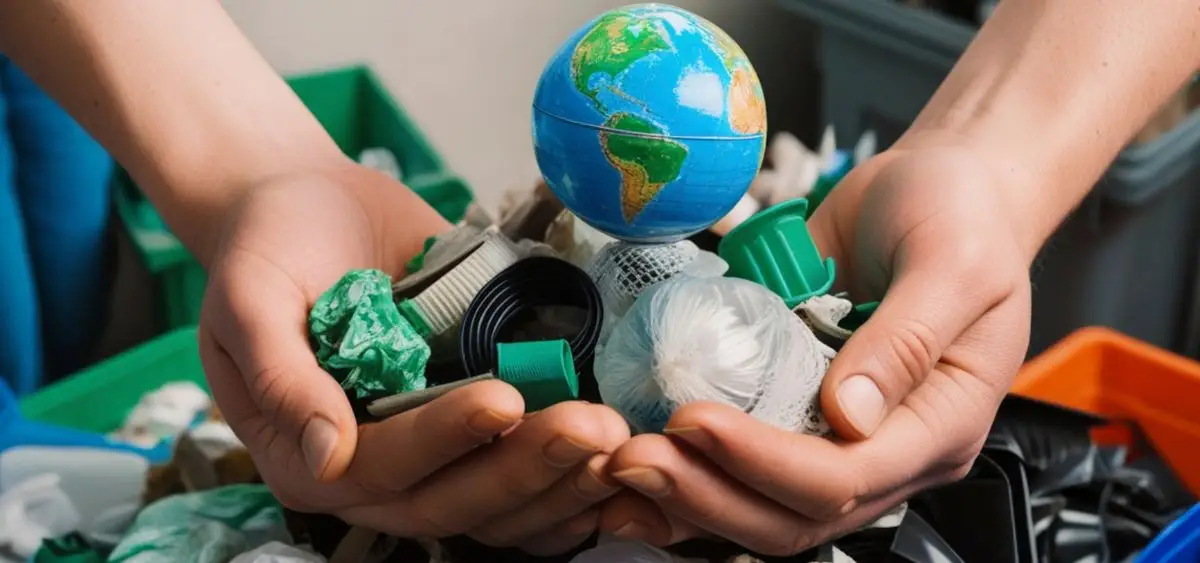
Looking ahead, the future of e-waste recycling gleams with promise. By 2030, generation could top 82 million tonnes, but innovations like robot dismantlers and global policies (now in 81 countries) aim to lift recycling rates past 25%. Producer responsibility schemes, where makers fund take-backs, gain traction, as do cloud shifts that cut hardware needs.
To reduce electronic waste at home, buy durable, repairable tech. Opt for modular designs that swap parts, not whole units. Support old electronics recycling drives and push for eco-labels. These sustainable e-waste solutions build resilience, ensuring our digital boom doesn’t bury the earth.
E-waste disposal shapes tomorrow. It connects us all, whether you’re in bustling Tokyo or quiet Kanpur. Start small: recycle one device this week. You’ll cut pollution, reclaim resources, and spark change. What’s your first step? Share in the comments, let’s chat about building a greener gadget life together.
Also, read:
- Zero Waste Challenge: Small Changes, Big Impact
- How Duckweed Helps Scientists Treat Wastewater Naturally?
- From Trash to Treasure: How Waste Management Supports Sustainability
- Singapore Waste Disposal: How the Country Turns Trash Into Energy?
- Green Solutions for Biomedical Waste Management: A Step Toward a Cleaner Future
FAQs
What is e-waste and why is it increasing so fast?
E-waste includes discarded electronic items like phones, laptops, and TVs. It is growing quickly because people upgrade devices frequently and technology becomes outdated faster than ever.
Why is e-waste harmful to the environment?
E-waste contains toxic materials like lead and mercury. When dumped improperly, these chemicals pollute soil, water, and air, harming both nature and human health.
How can I safely dispose of my old electronics?
You can safely dispose of electronics by taking them to certified recycling centers, using brand take-back programs, or donating working devices to others.
What happens to e-waste after recycling?
Recycled e-waste is broken down into parts, and useful materials like metals and plastics are recovered and reused to make new products.
Can e-waste be reused instead of recycled?
Yes, many electronics can be repaired, refurbished, or donated. Reusing devices helps reduce waste and extends their life before recycling is needed.
What are simple ways to reduce e-waste at home?
You can reduce e-waste by using devices longer, repairing instead of replacing, buying durable products, and recycling responsibly when needed.
Recent Popular Blogs
-
 March 24, 2026
Kp Index for Beginners: How to Predict Aurora & Space Storms Easily
Spread the loveHey! If you love looking at the night sky, you’ve probably dreamed of seeing those beautiful green northern lights, right? Or maybe you’veRead more -
March 24, 2026
E-Waste Disposal 2026: A Global Crisis Reaching 72 Million Tonnes
Spread the loveHave you ever paused before tossing that cracked smartphone or dusty laptop into the trash? In our fast-paced world of constant upgrades, thoseRead more -
March 19, 2026
Don’t Miss This! Aurora Borealis Could Be Visible in the Northwest!
Spread the loveHey sky lovers! Imagine stepping outside at night and suddenly the sky comes alive with flowing waves of green, pink, and purple. SoundsRead more