
Imagine vast rice fields soaking up less water, pumping out fewer greenhouse gases, and leaving behind healthier soil for generations. That’s no dream, it’s happening right now, thanks to a smart team-up between snack giant Kellanova and retail powerhouse Walmart. These everyday heroes are pouring cash into “regenerative rice,” a fresh way to grow the world’s favorite grain without harming the earth.
Rice isn’t just a meal staple for billions, it’s a thirsty crop that guzzles up to 43% of the planet’s irrigation water and belches out methane, a sneaky gas that warms our world faster than you can say “stir-fry.” But Kellanova and Walmart aren’t sitting idle. They’re kicking off a pilot project in Arkansas, the heart of U.S. rice country, to flip the script on farming.
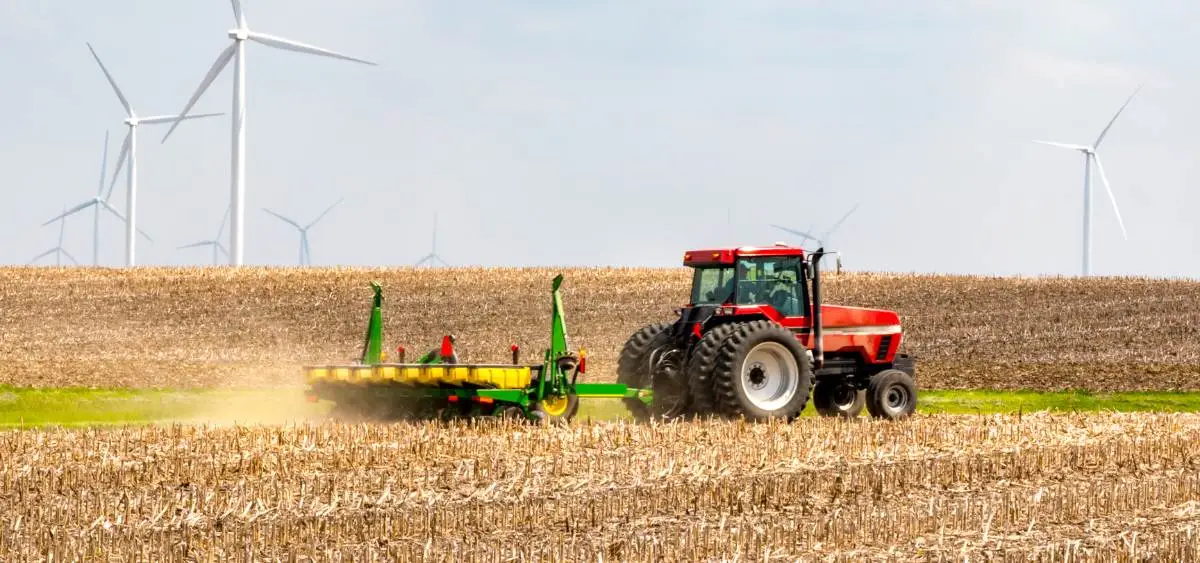
Here’s the scoop: Farmers get paid extra for every pound of rice they grow using eco-tricks like smart watering (no more constant flooding), crop swaps to keep soil lively, and fewer chemicals. It’s all powered by Indigo Ag, a tech-savvy partner that’s been teaming with Walmart for years to green up supply chains. The result? Over 37,000 tons of CO2 slashed, 11 billion gallons of water saved, and nearly $1 million extra in farmers’ pockets already from past efforts.
Why bet big on this? For the planet, it means tougher farms against wild weather, buzzing wildlife, and cleaner air. For businesses, it’s cheaper long-term, no pricey fixes after droughts or floods. And for farmers? Steady cash to try new ways without going broke during the switch.
Kellanova’s top green boss, Janelle Meyers, puts it plain: “Farmers make our snacks possible. Teaming with Walmart and Indigo builds tough farms, smarter practices, and real change that lasts.” Walmart’s sustainability whiz, Mikel Hancock, adds: “Our green goals are turning real. Adding Kellanova means bigger wins for farmers, chains, and the earth.”
Even Indigo Ag’s CEO, Dean Banks, chimes in: “We’re growing wealth from the dirt up, guarding water, healing soil, cutting gases, and backing farmers.” Arkansas alone plants 1.4 million acres of rice yearly, with the U.S. hitting 2.9 million in 2024. This pilot could spread like wildfire, using tricks like “System of Rice Intensification” and “Alternate Wetting and Drying” (let fields breathe between soaks). No more soggy methane traps, just thriving fields.
This isn’t just talk, it’s action. As climate woes hit harder, moves like this show big brands can lead the charge. Next time you grab a bowl of rice or a chip bag, know you’re part of the fix. What’s your take? Could regenerative rice be the seed for a greener tomorrow?
Also, read: 8 Eco-Friendly Habits to Reduce Your Carbon Footprint!
Also, read: Sustainable Fashion Hacks: Stylish Choices That Help the Earth
Also, read: Ecobricks: One Bottle, One Step Toward Ending Plastic Pollution
Also, read: Top 10 Sustainable Fabrics That Are Saving Our Planet!
Also, read: Morocco Calls for More Climate Funding at COP30 Prep Meeting
Also, read: Singapore Waste Disposal: How the Country Turns Trash Into Energy?