Imagine walking outside and breathing clean air. You take a quiet electric bus to work, pass green parks full of people, and walk on streets lined with trees. There is less traffic, less noise, and less waste around you. This is the idea of a sustainable city.
A sustainable city is not just about looking modern or green. It is about creating a place where people can live comfortably without harming nature. These cities show that urban life does not always have to damage the environment. In fact, with the right planning, cities can become part of the solution.
Today, more than half of the world’s population lives in cities, and this number will keep growing in the coming years. That means cities will play a huge role in shaping the future of our planet. Since cities use a lot of energy and produce a large share of pollution, even small improvements can make a big difference.
What Is a Sustainable City?
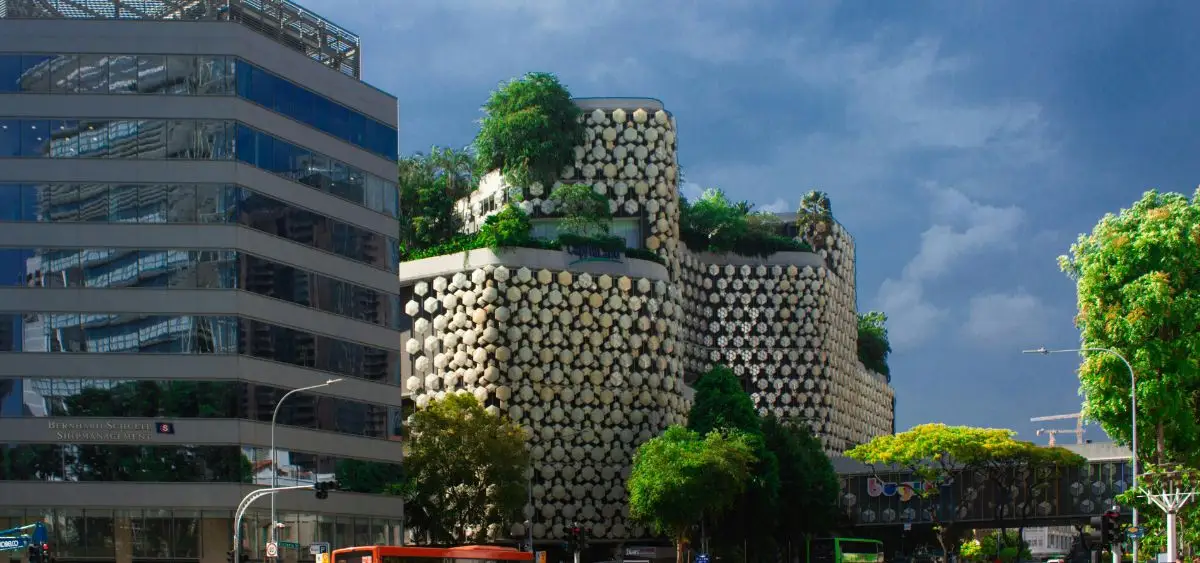
A sustainable city is a city that cares for both people and the environment. It gives people safe homes, clean air, good transport, green spaces, and job opportunities while using resources wisely. In simple words, it is a city designed to meet today’s needs without creating bigger problems for tomorrow. These cities try to reduce pollution, save energy, manage waste better, and improve daily life for everyone. They focus on long-term solutions instead of short-term fixes.
Why Sustainable Cities Matter?
Cities are growing fast. As more people move to urban areas, the pressure on housing, roads, water, transport, and public services also grows. Without proper planning, this can lead to pollution, crowded living conditions, traffic problems, and damage to nature. This is why sustainable cities are so important. They help reduce these problems and create healthier places to live. When a city becomes more sustainable, people often enjoy cleaner air, better public transport, more parks, and safer neighborhoods. These changes are not only good for the planet, but also for our everyday lives.
How Cities Can Become More Sustainable?
There are many practical ways cities can improve.
1. Better city planning
Good planning helps cities grow in a smarter way. Instead of spreading too far and creating long travel times, cities can build mixed-use areas where people can live, work, shop, and relax closer to each other.
2. Green buildings
Buildings use a lot of energy. Sustainable cities encourage energy-saving buildings with better design, natural light, solar power, and improved cooling systems. This helps reduce both electricity use and pollution.
3. Clean and easy transport
Too many private vehicles create traffic and dirty air. Sustainable cities invest in public transport, cycling paths, walkable roads, and electric vehicles. This makes travel easier, cleaner, and often cheaper.
4. More green spaces
Parks, gardens, roadside trees, and open spaces are very important in cities. They make places cooler, cleaner, and more peaceful. Green spaces also support mental health and give people room to relax and connect with nature.
5. Better waste management
A sustainable city handles waste in a smarter way. Recycling, composting, and reducing plastic use can lower the amount of garbage going to landfills. This keeps the city cleaner and protects the environment.
6. Saving water and energy
Sustainable cities use water and energy carefully. Rainwater harvesting, water recycling, energy-efficient systems, and renewable energy can help reduce waste and save resources.
7. Strong communities
A city becomes better when people take part in improving it. Sustainable cities often involve local communities in planning and decision-making. When people feel included, they care more about protecting their surroundings.
The Benefits of Sustainable Cities
The good thing about sustainable cities is that the benefits can be seen in daily life. People get cleaner air and healthier surroundings. Travel becomes easier and less stressful. Homes and buildings become more energy-efficient. Public spaces become more attractive and useful. Local communities feel stronger and more connected.
Sustainable cities can also help create jobs in areas like clean energy, green construction, recycling, and public transport. So this is not only about the environment. It is also about better living and better opportunities.
Challenges Cities Still Face
Of course, building a sustainable city is not always easy. Some cities struggle with limited budgets, poor planning, rising population, or lack of awareness. In some places, development happens too quickly, and environmental care is ignored.
But progress does not always need huge changes at once. Even small steps can help. Planting more trees, improving bus services, adding cycle lanes, or encouraging waste separation can slowly create a bigger positive impact.
What You Can Do?
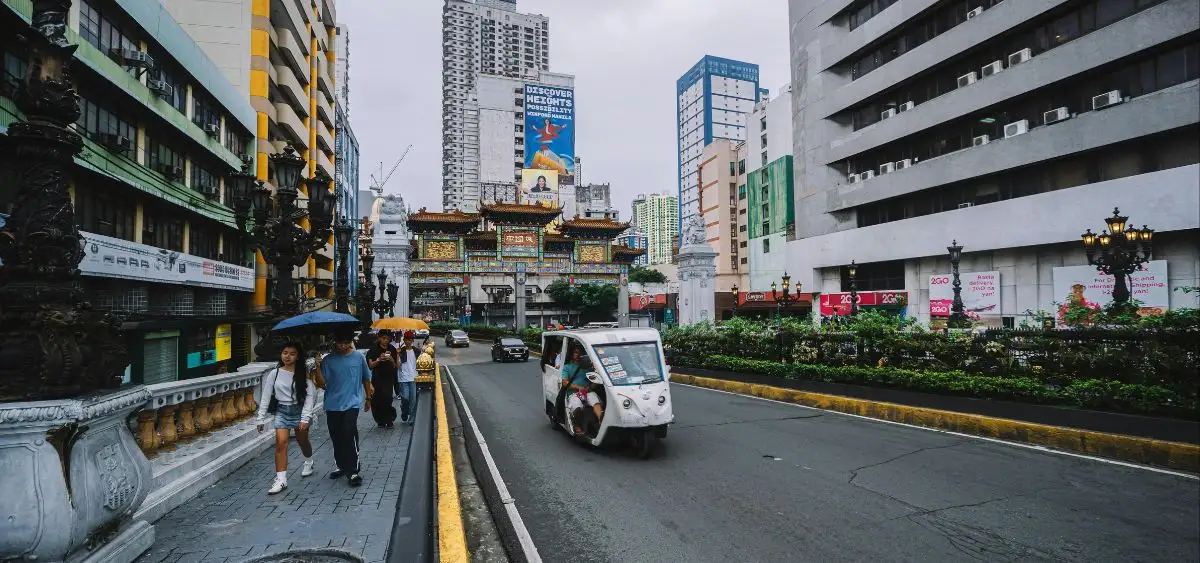
Making cities more sustainable is not only the job of governments, builders, or planners. The people who live in a city also shape how clean, healthy, and responsible it becomes. Everyday habits may seem small, but when many people follow them, the overall effect can be powerful.
- Travel in smarter ways: Using buses, metro services, shared rides, or carpooling can help reduce the number of private vehicles on the road. This can lower traffic problems, cut fuel use, and improve air quality. For nearby places, walking or cycling is an even better choice because it is both eco-friendly and good for your health.
- Cut down on waste: A simple way to help is by creating less waste in daily life. You can carry your own shopping bag, use a refillable water bottle, and avoid products that are used once and thrown away. Separating household waste into different categories can also make recycling easier and reduce the amount of garbage sent to dumping sites.
- Be careful with water use: Cities need huge amounts of water every day, so saving it matters. Turning off taps properly, avoiding unnecessary water use, and fixing leaks quickly are all useful steps. Even small efforts at home can help reduce pressure on the city’s water supply.
- Use energy more responsibly: Electricity should be used thoughtfully. Switching off lights, fans, and devices when they are not needed can save energy. Choosing LED (Light-emitting Diode) bulbs or energy-saving appliances can help even more. When many homes reduce electricity waste, the city’s overall energy demand also becomes lower.
- Protect and grow green areas: Plants and trees make urban spaces healthier and more pleasant. You can grow plants at home, join tree-planting activities, or help care for parks and gardens in your area. More greenery can improve air quality, reduce heat, and make neighborhoods more peaceful.
- Choose better options for short distances: For small trips, people can often avoid using fuel-based transport. Walking or cycling nearby not only reduces pollution but also supports a healthier and more active lifestyle. Cities become more livable when short-distance travel does not always depend on vehicles.
- Support local and eco-friendly choices: Buying from local sellers and choosing products with less harmful packaging can also help. Local goods often travel shorter distances, which can reduce transport-related pollution. Supporting responsible businesses also encourages better practices in the market.
- Consume with more care: A sustainable lifestyle also means thinking before buying. Purchasing only what is needed, avoiding food waste, reusing items, and donating usable things instead of throwing them away can all reduce pressure on city waste systems. Careful consumption helps save both money and resources.
- Join community efforts: Cities improve faster when people work together. Taking part in local clean-up drives, awareness campaigns, recycling programs, or neighborhood planting activities can make a visible difference. Community action also builds a stronger connection between people and the places where they live.
- Speak up for better city decisions: Residents can support change by encouraging better planning and policies. Backing projects related to clean transport, waste control, green spaces, and renewable energy can push cities in a better direction. Public support often plays a big role in turning good ideas into real action.
- Share awareness with others: Many positive changes begin with simple conversations. Talking to family, friends, or neighbors about saving water, reducing waste, or using public transport can inspire more people to act. Awareness spreads habits, and habits shape cities.
- Begin with small steps: No one has to do everything at once. Lasting change often starts with one easy habit, such as carrying a reusable bag, saving electricity, or choosing public transport once in a while. Over time, these small actions can grow into a more sustainable way of living.
Conclusion
The future of cities depends on the choices we make today. If we continue building without thinking about nature, cities will become more polluted and difficult to live in. But if we invest in smarter, greener, and more people-friendly solutions, cities can become healthier and more hopeful places.
Sustainable cities remind us that progress and nature do not have to fight each other. They can grow together. The dream of a better future may begin in our cities, in the streets we walk, the transport we use, the parks we protect, and the choices we make every day.
Also, read: The Glitter That Costs Childhoods: Dark Truth of Mica Mining
Also, read: Billionaire Gives Away $3 Billion Company to Save the Planet!
Also, read: Ever Wondered How Wind Turbines Make Electricity?
Also, read: Vedic Plaster: The Natural Alternative to Chemical Paints!
Also, read: The Growing Importance of Mountains in a Warming World!
Also, read: What to Plant Each Month: An Easy Harvest Planning Guide