Picture tall mountain peaks touching the sky, their snowy tops shining in the morning light. They may look calm and beautiful, but mountains quietly keep our planet running. Now, in 2026, as temperatures rise faster than expected, the importance of mountains feels stronger than ever. They control weather, store water, protect wildlife, and support billions of people. But climate change is putting these natural giants at risk. So why do mountains matter so much today? Let’s break it down in simple words.
Why Mountains Are Important?
Mountains are not just tall rocks standing in the distance. They are one of the most powerful natural systems on our planet. In fact, mountains cover about one-quarter of the Earth’s land surface. You can find them on every continent, from the mighty Himalayas in Asia to the long stretch of the Andes in South America. But why mountains are important goes much deeper than their beauty or height. They quietly support life in ways most people don’t even notice.
- First, mountains control weather and rainfall. When winds move across the land, mountains act like giant walls. They block and redirect those winds. As moist air rises up the mountain slopes, it cools down and forms clouds. These clouds then bring rain or snow. This process helps supply water to rivers, lakes, and farms far away from the mountains themselves. Without mountains, many areas would become much drier and hotter.
- Second, mountains are natural water towers. Snow and glaciers stored on mountain peaks slowly melt and release fresh water throughout the year. Millions, even billions of people depend on this steady water supply for drinking, farming, and electricity.
- Third, mountains help keep the environment balanced. They support forests, rare plants, and wildlife that cannot survive anywhere else. Their trees clean the air by absorbing carbon dioxide, which helps fight climate change. Their roots also hold the soil in place, preventing landslides and soil erosion.
In simple words, mountains are the foundation of life on Earth. They protect our climate, store our water, support biodiversity, and keep ecosystems stable. Even if we don’t live near them, our daily lives are deeply connected to their silent work.
Benefits of Mountains
Mountains help us in many ways, even if we don’t always notice it. They collect snow during winter and slowly release it as water when the weather gets dry. This water helps farmers grow crops, fills our dams and reservoirs, and even produces electricity for our homes.
According to recent global reports (2025), mountains provide around 55–60% of the world’s freshwater every year. More than two billion people depend on this water for drinking, cleaning, farming, and energy. Big cities like New York, Tokyo, and Rio de Janeiro rely on water that comes from mountains. In simple words, mountains work like giant natural water tanks for our planet.
Mountains also play a big role in our food supply. Many common foods like potatoes, tomatoes, barley, and apples originally grew on mountain slopes. These crops grow best in cooler, higher areas and continue to feed millions of people around the world.
Mountains as Water Sources
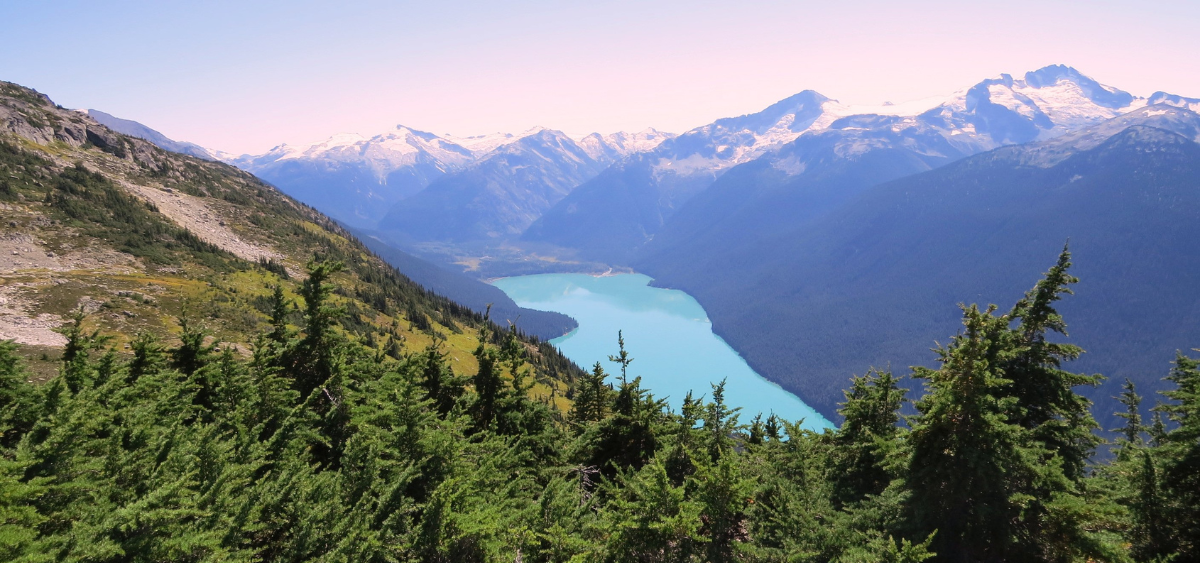
People call mountains “water towers”, and honestly, it makes perfect sense. Mountains catch moisture from clouds, store it as snow and ice, and then slowly release that water into streams and rivers. Because of this slow release, we don’t get too much water all at once during the rainy season, and we don’t run out completely during dry months.
If you follow just one drop of water, you’ll understand the importance of mountains in the water cycle. Rain or snow falls on high peaks. Some of it sinks into the soil, and some of it stays frozen in glaciers. Then, months or even years later, that same water flows down to towns, farms, and cities.
Many of the world’s biggest rivers actually begin in mountains, like the Ganges, Indus, Yangtze, Nile, and Rhine. In some dry regions, more than 90% of river water comes from mountains.
River formation actually starts at the top. Melting snow shapes valleys, carries rich soil downhill, and creates fertile land where crops can grow. Without mountains constantly supplying water and nutrients, many of the world’s greatest civilizations would never have survived.
How Mountains Affect Weather and Climate?
Have you ever noticed how one side of a mountain is green and full of trees, while the other side looks dry and empty? That’s because of how mountains affect weather. When wind carrying moisture hits a mountain, it is forced to rise. As the air goes up, it cools down and drops rain or snow on one side. This side becomes green and fertile. On the other side, the air becomes dry, creating what we call a “rain shadow.” That’s why some valleys near mountains are dry even though forests are close by.
But the role of mountains in climate is not just local, it’s global. Mountains help control wind patterns and balance temperatures across large regions. They act like natural climate managers for the planet.
However, climate change is affecting mountains faster than many other places. In recent decades, mountain areas have been warming more quickly than nearby lowlands. Snow is turning into rain more often. Glaciers are melting at record speeds, and sea levels are rising.
Because glaciers melt too fast, the steady supply of water that many communities depend on becomes unstable. Floods can increase, and dry periods can last longer. The natural balance that mountains once provided is now under serious pressure.
Mountain Biodiversity Importance: Hidden Treasures in the High Peaks
Mountains are some of the richest places for biodiversity on Earth. Because they are often isolated, they act like natural “sky islands” where unique plants and animals can grow and evolve safely. In fact, nearly one-fourth of all land-based plants and animals live in mountain regions, and many of them are found nowhere else in the world.
From rare orchids and colorful birds to snow leopards and mountain gorillas, countless species depend on mountain habitats. This clearly shows the importance of mountains for wildlife. Since temperature and climate change quickly as you move higher, mountains can hold a huge variety of life in a small area. But when global temperatures rise too fast, these species face a serious problem, they can’t move any higher to escape the heat.
Mountain forests are just as important. They help prevent soil erosion, store carbon, and provide shelter for many animals. At the same time, they support local communities by supplying wood, medicinal plants, and fuel.
Importance of Mountains for Humans and Ecosystem Benefits
Around one billion people live in mountain areas. Many of them are indigenous communities who have protected these lands for generations. The importance of mountains for humans is not just about water and food. Mountains also give us peace, adventure, culture, and jobs.
Every year, about 15–20% of global travelers visit mountain destinations. People go hiking, skiing, or to experience local culture. When tourism is managed responsibly, it creates jobs and also helps protect nature.
But mountain ecosystem benefits are not limited to people who live there. Farmers far away depend on water that flows down from mountains. Hydropower projects use mountain rivers to produce electricity. Even people in cities benefit because mountain forests store carbon and clean the air.
Mountain Conservation Importance: Protecting Mountains for the Future
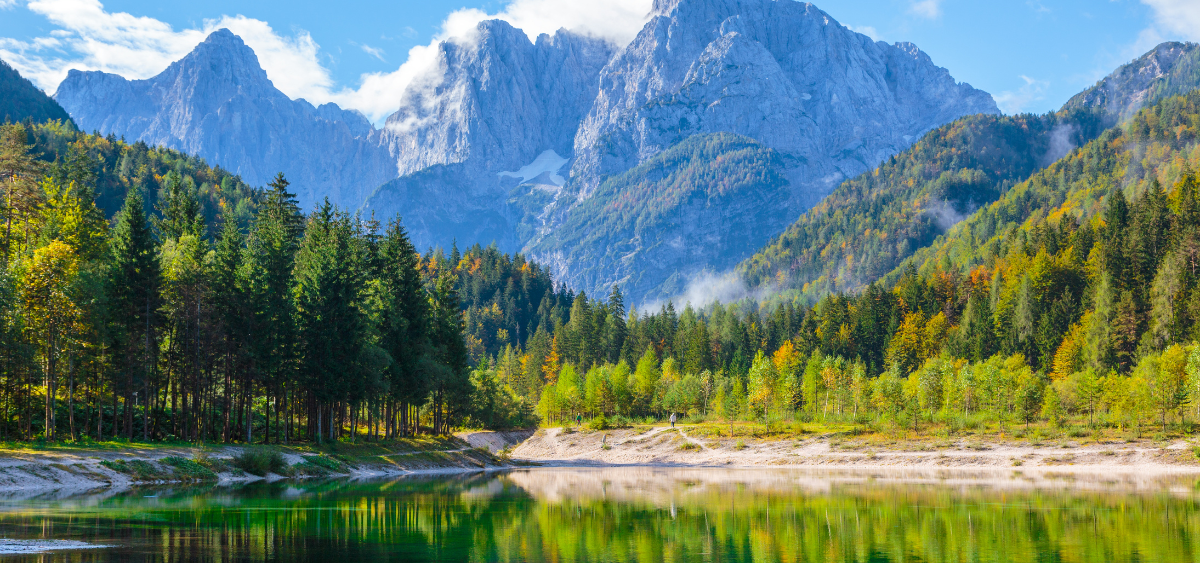
Because mountains are so important, protecting them is urgent. Sustainable actions like planting trees, promoting responsible tourism, and managing water resources wisely can help.
Protecting mountains for future generations also means reducing pollution and carbon emissions, restoring damaged land, and supporting mountain communities with better policies and infrastructure. Since rivers flow across countries, international cooperation is also necessary. Even small steps matter. Choosing eco-friendly travel, supporting sustainable products, and spreading awareness can make a difference.
Conclusion
Mountains have always inspired humans, in stories, spirituality, and adventure. Today, their importance feels more urgent than ever. They give us water, clean air, biodiversity, stable climate, and natural beauty. The truth is simple: if mountains stay healthy, our planet stays healthy. Next time you see a mountain or plan a trip to one, remember, these giants quietly support life on Earth. It’s our turn to protect them.
Also, read: The Impact of War on Environment: Damage to Land, Water, and Wildlife
Also, read: Why This Clothing Recycling project Is Gaining Global Attention
Also, read: How to Declutter Home Without Harming the Earth?
Also, read: This Company is Changing Uganda with Banana Fibers – TEXFAD
Also, read: What Are Sustainable Development Goals? Why Are They Important?