Bees buzz with purpose, and on National Honey Bee Day, celebrated every third Saturday in August, we honor these tiny heroes. On August 16, 2025, let’s celebrate honey bees and their incredible role in our world. From pollinating crops to producing sweet honey, bees are vital to life. But they face threats, and we can help. Join the bee conservation movement and discover why these creatures keep our ecosystems thriving.
Why Bees Matter?
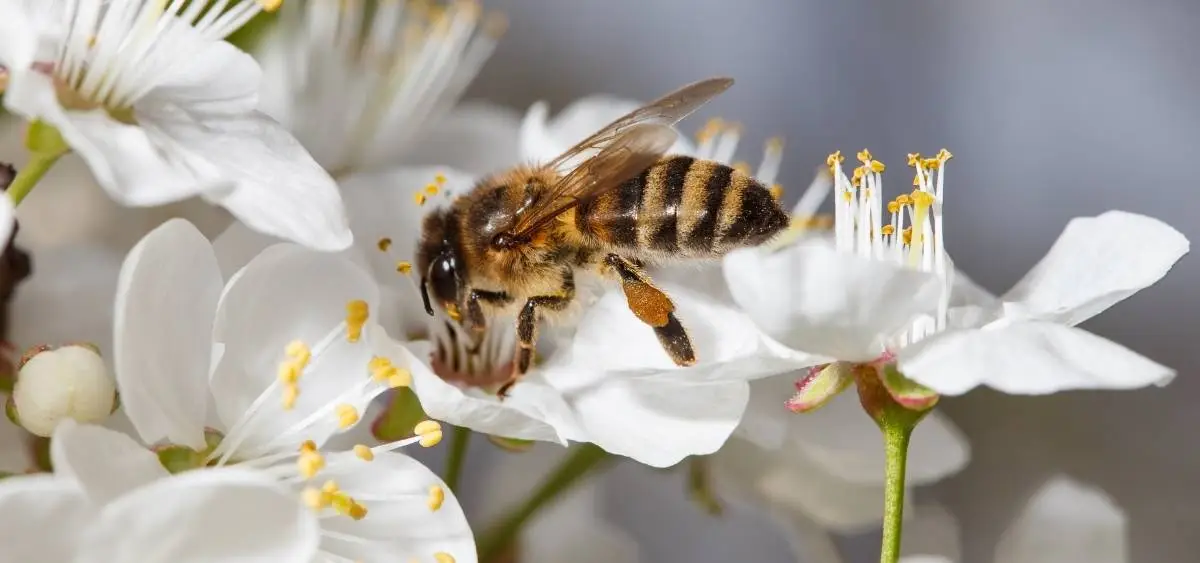
Bees are more than just honey-makers. They are nature’s pollinators. The importance of honey bees lies in their ability to help plants grow. Over 75% of global food crops, like fruits, vegetables, and nuts, rely on pollinators. A single worker bee visits up to 2,000 flowers daily, and a colony can pollinate 225,000 flowers in a day. That’s why pollinator awareness day is so crucial, it reminds us how bees support our food supply.
Honey bees also produce honey, a natural sweetener used for thousands of years. Ancient Egyptians valued it for food and medicine. Today, honey adds flavor to dishes like cakes or crispy buffalo wings. Beyond food, beeswax helps make candles and skincare products. The bee ecosystem support is clear: without bees, our diets and economies would suffer.
The Threats Bees Face
Sadly, bees are in trouble. About 35% of insect pollinators, including bees, face extinction due to pesticides, habitat loss, and climate change. These threats harm the save the bees campaign efforts. When bees disappear, crops like apples, almonds, and berries decline, leading to less diverse diets. The pollinator protection movement pushes for action to reverse this trend.
How to Celebrate National Honey Bee Day?
Let’s stay busy as a bee on August 16, 2025! Here are fun and meaningful ways to join the beekeeping celebration:
- Plant Bee-Friendly Gardens: Create a haven for bees by planting wildflowers like lavender, borage, or marjoram. These nectar-rich plants attract bees and support plant wildflowers for bees efforts. Choose native plants that bloom at different times to keep bees fed all season.
- Support Local Beekeepers: Buy raw honey from nearby farmers. It’s a tasty way to back the support local beekeepers movement. Local honey supports sustainable practices and boosts your community’s economy. Try hosting honey tasting events to share the sweetness with friends.
- Learn About Hive Care: Curious about hive care tips? Visit a local apiary or read up on beekeeping. Organizations like the HoneyLove nonprofit offer resources to learn how beekeepers manage healthy hives. You might even consider starting your own hive!
- Educate Kids with School Bee Activities: Get schools involved with school bee activities. Kids can make bee-friendly crafts, learn about the waggle dance, or plant mini-gardens. Teaching the next generation ensures honey bee awareness grows.
- Avoid Harmful Pesticides: Use eco-friendly pest control in your garden. Chemicals harm bees, so opt for natural alternatives to support pollinator protection. Simple changes make a big difference.
The History of National Honey Bee Day
The USDA honey bee day began in 2009, sparked by beekeepers in the U.S. who wanted to raise awareness. It started as a national event but grew into a global celebration. The day honors the western honey bee, one of 20,000 bee species. Beekeeping dates back to 3500 B.C. in Egypt, and innovations like Lorenzo Langstroth’s modern hive in the 1860s made it easier to care for bees. Today, National Honey Bee Day unites bee lovers to protect these vital creatures.
Fun Facts About Bees
- A honey bee colony can have up to 50,000 workers, making them super-efficient pollinators.
- Bees perform a waggle dance to share food source locations, showing teamwork in action.
- Honey never spoils if stored properly, it’s a natural preservative!
- Bees can’t see red but spot ultraviolet light, helping them find nectar-rich flowers.
Why We Should Act Now?
Bees need our help. By joining the save the bees campaign, you protect biodiversity. Plant a garden, support local honey, or share bee facts with friends. Every small step counts. As the United Nations notes, protecting pollinators like bees ensures food security and healthy ecosystems.
On National Honey Bee Day 2025, let’s buzz with excitement and take action. Bees keep our world alive, let’s return the favor by keeping them safe.
FAQs
1. When is National Honey Bee Day celebrated?
It is celebrated every year on the third Saturday in August.
2. Who started National Honey Bee Day?
It began in 2009 as a joint effort by beekeepers and bee enthusiasts to promote bee awareness.
3. How can I celebrate National Honey Bee Day?
You can plant bee-friendly flowers, support local beekeepers, avoid pesticides, and share bee facts with others.
4. What flowers are best for bees?
Wildflowers, lavender, sunflowers, clover, and bee balm are among the best options for attracting and feeding bees.
5. What can I do to help honey bees year-round?
Provide fresh water, plant pollinator gardens, avoid harmful chemicals, and buy local honey.
6. Can anyone become a beekeeper?
Yes! With proper training, equipment, and local permits, anyone can start beekeeping, even in urban areas.
7. What can I do to help honey bees year-round?
Provide fresh water, plant pollinator gardens, avoid harmful chemicals, and buy local honey.
Also, read: Why We’ll Never Stop Howling: Importance of International Wolf Day!
Also, read: This World Elephant Day, Be the Voice They Don’t Have!
Also, read: World Biofuel Day 2025: Significance, Facts & Celebration!
Also, read: World Lion Day: Stand with the King of the Jungle- 10 August
Also, read: International Moon Bear Day: Stand Up for the Moon Bears!