Wolves captivate our hearts with their soulful howls and fierce loyalty, yet these majestic creatures face a fragile future. International Wolf Day, celebrated on August 13, invites us to honor their vital role in nature and confront the challenges threatening their survival. From the gray wolf roaming Yellowstone to the endangered Indian wolf clinging to existence outside protected lands, wolves are keystone species that shape ecosystems. This blog explores why International Wolf Day matters, unraveling myths, celebrating conservation victories, and inspiring you to join the howl for change in 2025.
What is International Wolf Day?
International Wolf Day, celebrated every August 13, unites people worldwide to honor wolves. This day shines a spotlight on these majestic creatures, often misunderstood as villains. It raises awareness about their vital role in ecosystems and the urgent need for wolf conservation. From the gray wolf in North America to the Ethiopian wolf in African deserts, International Wolf Day celebrates their beauty and resilience. It’s a global call to protect endangered wolves and their habitats, ensuring their howls echo for generations.
Legends, Myths, and Mysteries of Wolves That Still Roam
Wolves have prowled through human stories for millennia, weaving a tapestry of awe and fear. In European folklore, tales like “Little Red Riding Hood” cast the wolf as a cunning predator, giving rise to the “big bad wolf” stereotype. These wolf myths paint them as threats, yet in reality, wolves avoid humans and rarely attack. Native American cultures, by contrast, revere wolves as symbols of strength, loyalty, and spiritual guidance. Tribes like the Lakota view wolves as pathfinders, embodying wisdom and resilience.
In Norse mythology, the wolf Fenrir represents untamed power, destined to challenge the gods. The iconic wolf howl, often depicted as a solitary cry under a moonlit sky, fuels romanticized mysteries. In truth, wolves howl in short, harmonic bursts to unite their pack, mark territory, or rally for a hunt, not to serenade the moon. These haunting calls, echoing across forests or tundra, spark curiosity about their secretive lives. International Wolf Day dispels these myths, revealing wolves as complex, social animals vital to nature’s balance.
Why Wolves Matter More Than Ever in 2025?
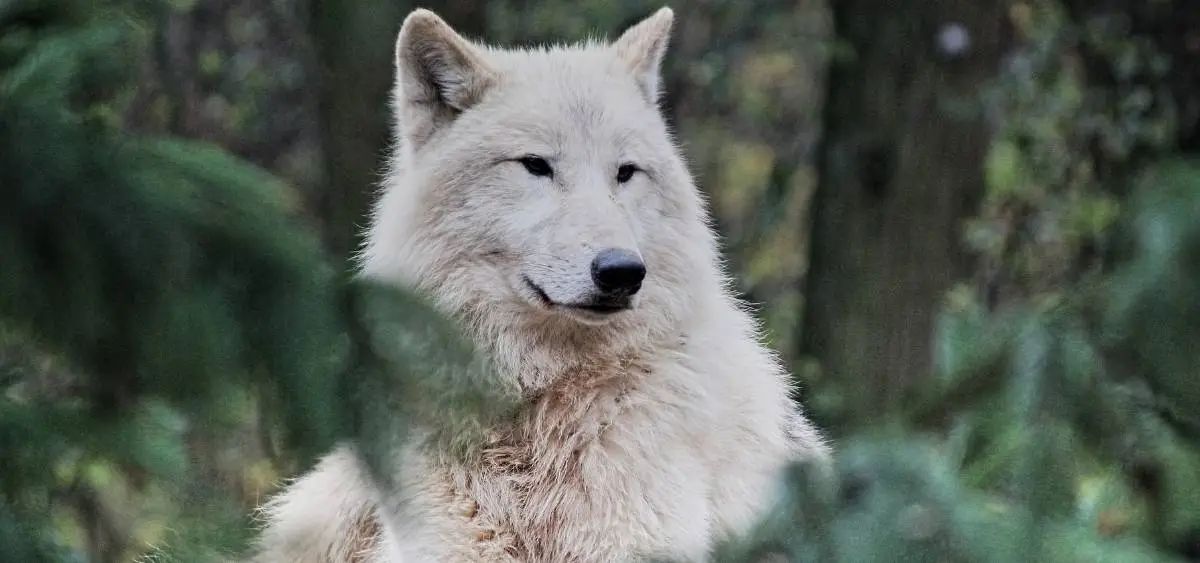
Wolves are more than beautiful creatures; they’re critical to the wolf ecosystem. As keystone species, they maintain balance by controlling prey populations like elk and deer. This prevents overgrazing, which protects vegetation and supports biodiversity. The trophic cascade in Yellowstone, triggered by wolf reintroduction, proves this. After wolves returned in 1995, elk numbers dropped, allowing willows to thrive and boosting habitats for beavers and moose. Yet, habitat loss threatens wolves globally. In 2025, Indian wolves face a dire future, with 2,000–3,000 surviving outside protected areas in India and Pakistan. Climate change and human-wildlife conflict worsen their plight, making wolf conservation urgent.
From Threatened to Thriving: How Conservation Saves the Pack
Wolf conservation has led to remarkable comebacks. In the 1970s, just 500–1,000 gray wolves roamed the U.S., but the Endangered Species Act of 1973 turned the tide. By 2021, reintroduction efforts had revived Yellowstone’s wolf population to 95 individuals across eight thriving packs. Non-lethal fencing and guard dogs now reduce livestock conflicts, fostering coexistence. In Europe, gray wolves, once extinct in places like the UK, are protected as keystone species. Conservation groups, like those assessing Indian wolves for the International Union for Conservation of Nature Red List, work tirelessly to save endangered wolves. These successes show that wolf reintroduction and coexistence tools can rebuild thriving wolf packs.
The Silent Crisis: What Happens if Wolves Disappear?
Without wolves, ecosystems collapse. Overpopulated prey, like deer or elk, devour vegetation, starving other species and eroding biodiversity. The absence of wolves in Yellowstone once led to dwindling willow trees and declining beaver populations. Indian wolves, living outside protected areas, face habitat loss and human conflict, with only a few packs left in Pakistan. If endangered wolves vanish, grasslands and forests suffer, disrupting food chains. This silent crisis threatens not just wolves but entire ecosystems. International Wolf Day reminds us that losing wolves risks nature’s balance, urging us to act before it’s too late.
How You Can Join the Howl for Change?
You can make a difference this International Wolf Day. Here are simple ways to help:
- Adopt a Wolf: Support organizations offering adoption kits. For example, a $60 gray wolf kit includes a plush toy, certificate, and photo, funding wildlife conservation.
- Book a Conservation Trip: Join eco-friendly tours, like those in Yellowstone’s Lamar Valley, to see wolves in the wild. These trips fund wolf conservation efforts.
- Raise Your Voice: Follow news on wolf legislation, especially for gray wolves recently regaining Endangered Species Act protections. Contact representatives to support policies protecting wolf packs.
Every small action helps ensure wolves thrive.
Every Howl Counts: Make Your Voice Heard This International Wolf Day
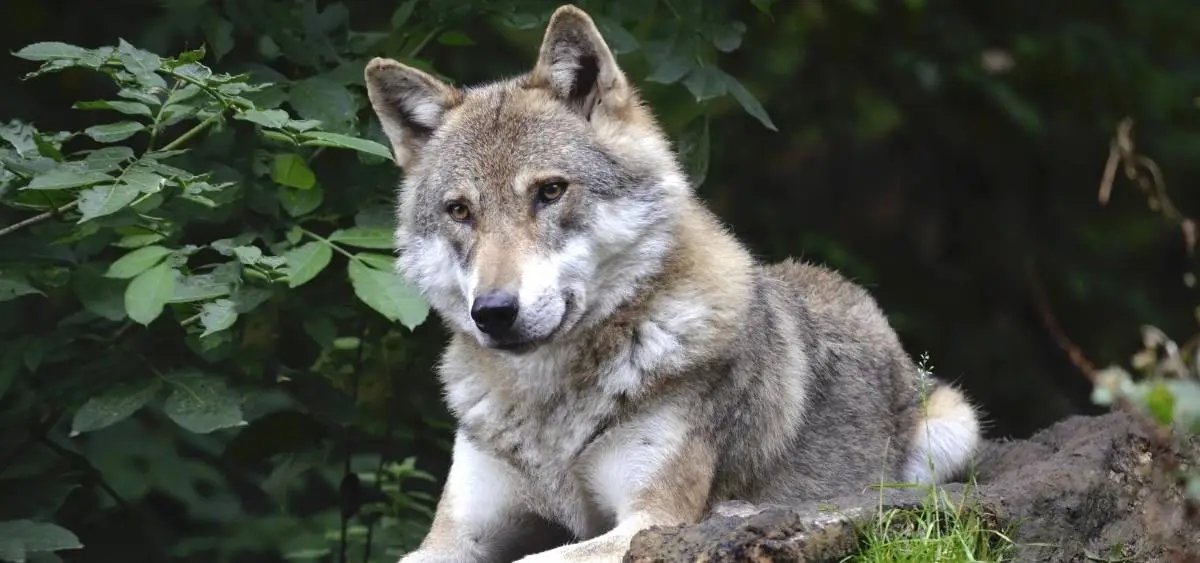
International Wolf Day is more than a celebration; it’s a rallying cry. Wolves, from the red wolf in the U.S. to the Ethiopian wolf in Africa, need us now. Their howls remind us of nature’s harmony and the power of collective action. Share their story on social media, donate to conservation groups, or advocate for non-lethal fencing to protect livestock and wolves alike. Let’s dispel wolf myths and champion their role as keystone species. On August 13, 2025, join the global howl for change. Your voice can help save endangered wolves and preserve biodiversity for future generations.
FAQs
1. When is International Wolf Day celebrated?
International Wolf Day is observed every year on August 13 to highlight the significance of protecting wolf species.
2. Why are wolves important to the ecosystem?
Wolves are apex predators that help maintain the balance of ecosystems by controlling prey populations and promoting biodiversity.
3. What challenges do wolves face today?
Wolves face threats such as habitat loss, hunting, poaching, human-wildlife conflicts, and climate change.
4. How can I support wolf conservation on International Wolf Day?
You can support wolf conservation by donating to wildlife organizations, sharing awareness posts on social media, avoiding products that harm habitats, and joining petitions for stronger wildlife protection laws.
5. Which countries have the largest wolf populations?
Russia, Canada, and the United States host some of the largest wolf populations, with significant numbers also found in Europe and parts of Asia.
6. What is the connection between Yellowstone and wolf conservation?
Yellowstone National Park is famous for its successful wolf reintroduction program, which restored ecological balance and boosted biodiversity in the park.
Also, read: Is Your Pet’s Carbon Footprint Bigger Than You Think?
Also, read: What Are the Best Sustainable alternatives of Leather?
Also, read: A Guide on Types of Tigers: Find Your Favorite!
Also, read: How Duckweed Helps Scientists Treat Wastewater Naturally?
Also, read: 7 Yummy Vegan Breakfasts You Can’t Resist!