Zebras easily catch our attention with their striking black and white stripes. These beautiful animals live on the wide African plains, and people around the world celebrate a special day just for them. International Zebra Day helps spread awareness about zebras, their way of life, and the dangers they face in the wild.
Also known as World Zebra Day or Zebra Awareness Day, this wildlife awareness day in January focuses on protecting zebras and their natural habitats. Don’t forget to mark your calendar, International Zebra Day 2026 will be celebrated on Saturday, 31 January.
Date of International Zebra Day
International Zebra Day is celebrated every year on 31 January. Since the date never changes, it is easy to remember and take part in. People may call it Zebra Day or search for the International Zebra Day date, but it always comes at the end of January. In 2026, the day falls on a weekend, giving more people a chance to learn about zebras and spread awareness about these beautiful striped animals.

History of International Zebra Day
International Zebra Day was started by wildlife and conservation groups to highlight the problems zebras are facing. Organizations like the Smithsonian’s National Zoo and Conservation Biology Institute played an important role in creating this day. Their goal was to educate people about shrinking zebra habitats and falling zebra populations.
Zebras are threatened by habitat loss, competition with farm animals, and illegal hunting. International Zebra Day was created to bring attention to these issues, encourage conservation efforts, and remind everyone that protecting zebras is important for our planet.
Why International Zebra Day Matters So Much
Zebras play vital roles in their ecosystems. They graze grasslands, which benefits many other species. However, some face serious risks. The Grevy’s zebra is endangered zebras with only about 2,000-3,000 left in the wild. Mountain zebras are vulnerable too. The International Zebra Day importance comes from raising awareness and supporting zebra wildlife protection. Action now can secure their future.
Fun Facts About Zebras
Zebras fascinate with their unique traits. Here are some International Zebra Day facts and fun facts about zebras that surprise many people.
- Zebra species include three main types- the widespread plains zebra, the hilly mountain zebra, and the larger Grevy’s zebra with narrower stripes.
- Zebras live in African habitats, from open savannas to semi-deserts in Kenya and Ethiopia, or rugged hills in Namibia and South Africa.
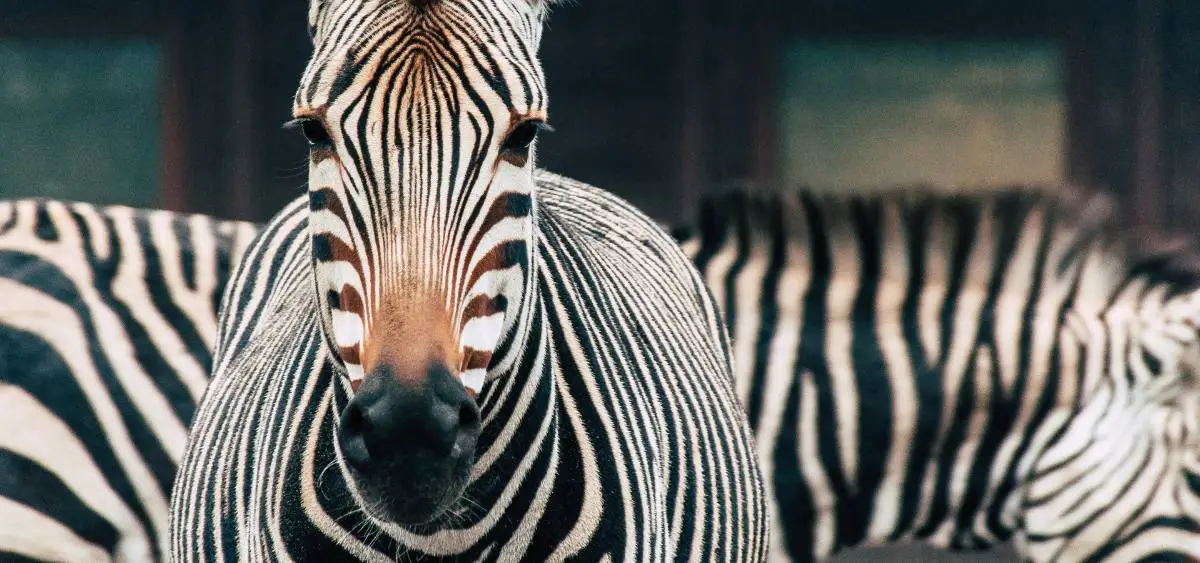
- Why zebras have stripes puzzles scientists for years. Recent studies show stripes mainly repel biting flies, which struggle to land on the patterns. Stripes also help regulate body temperature by creating small air currents and provide camouflage in tall grass.
- No two zebras share the same stripe pattern, like human fingerprints.
- A group of zebras forms a “dazzle,” confusing predators when they run together.
- Zebras reach speeds up to 40 miles per hour or more. They bite and kick fiercely if threatened.
- Baby zebras, or foals, stand and walk within minutes of birth. They even run with the herd soon after.
How to Celebrate International Zebra Day?
Celebrating International Zebra Day is simple and fun. You can wear black-and-white stripes or zebra-print clothes to show your support. Share interesting zebra facts on social media to help spread awareness. If you can, donate to organizations that work to protect zebras and their natural homes. You can also read and learn more about zebras and where they live. Even small steps can make a big difference in protecting wildlife.
International Zebra Day reminds us how special and valuable zebras are. As International Zebra Day 2026 gets closer, take a moment to admire their beauty and support efforts to keep them safe in the wild. These beautiful striped animals deserve a safe and bright future. What is your favorite zebra fact? Share it and help others learn too!
Also, read: Big Garden Bird Watch: Count Birds and Protect Nature!
Also, read: A Simple Guide to Creating Sustainable Hotels!
Also, read: Meet Goliath Birdeater: The Monster Spider of the Amazon!
Also, read: Sustainable Stationery Hacks: Easy Swaps to Try Today!
Also, read: The City That Drinks Water: Meet the Sponge City!