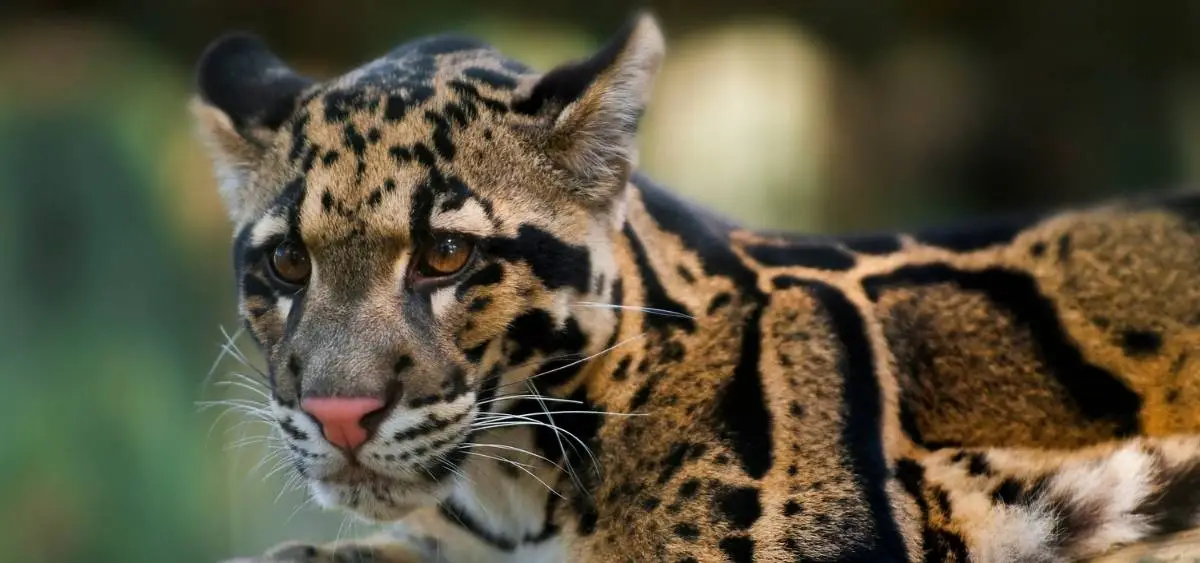

Every year on August 4, people around the world celebrate International Clouded Leopard Day. This special day shines a spotlight on the elusive and beautiful clouded leopard, a vulnerable species facing serious threats. It’s a global call to action for clouded leopard conservation, raising endangered species awareness and inspiring efforts to protect these rare wild cats of Asia. But what makes this day so important, and how can we help save the clouded leopard? Let’s dive into the details.
What Is International Clouded Leopard Day?
International Clouded Leopard Day started in 2018, thanks to two passionate carnivore keepers, Lauren Amos and Dan Kemp, at Howletts Wild Animal Park in Kent, England. They wanted to highlight the struggles of clouded leopards, both in the wild and in captivity. This wildlife conservation day brings together zoos, conservation groups, and animal lovers to spread big cat awareness and promote actions to protect these majestic creatures.
On August 4, 2025, Clouded Leopard Day 2025 will continue this mission. The theme for this year, “Raising Awareness for Clouded Leopards,” focuses on educating people about the challenges these cats face, from habitat loss to poaching. It’s a day to learn clouded leopard facts, share their story, and support efforts to ensure their survival.
Who Are Clouded Leopards?
Clouded leopards are medium-sized wild cats native to the dense forests of Central and Southeast Asia. They belong to the Neofelis genus, with two species: Neofelis nebulosa (mainland clouded leopard) and Neofelis diardi (Sunda clouded leopard). These rainforest predators live in places like Nepal, India, Thailand, Malaysia, and southern China, with the Sunda species found on Borneo and Sumatra.
Unique Features of Clouded Leopards
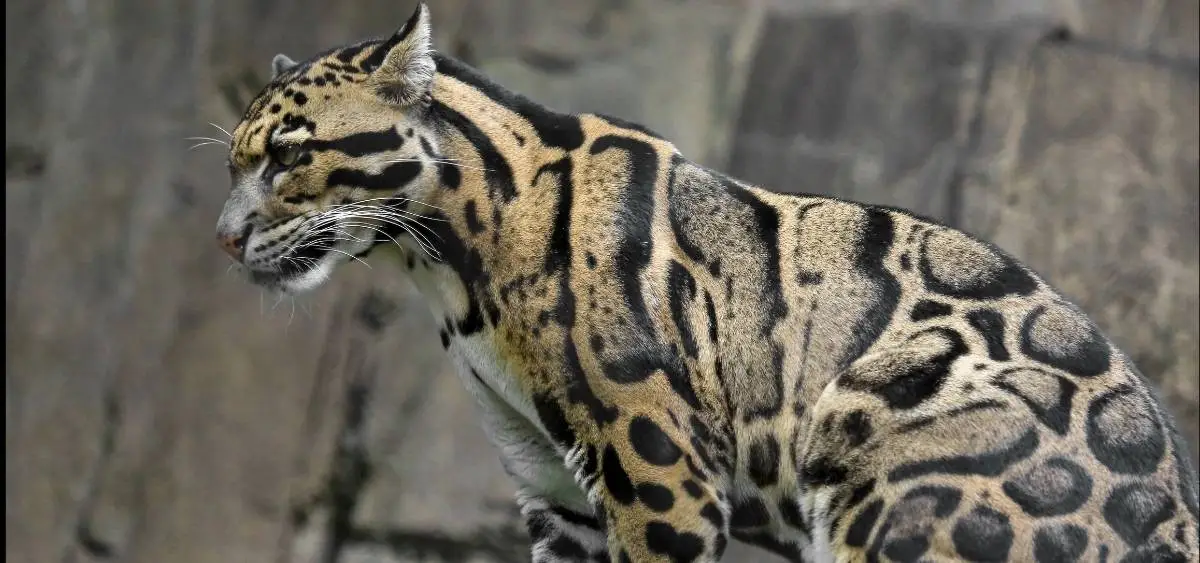
Clouded leopards stand out for their stunning looks and incredible skills. Their fur boasts a cloudy pattern of dark blotches, perfect for blending into their clouded leopard habitat. Here are some fascinating clouded leopard facts:
- Size: They weigh between 11 and 25 kg, with a body length of 60 to 110 cm.
- Teeth: They have the longest canine teeth relative to body size among all cats, earning them the nickname “saber-toothed” cats.
- Tail: Their long tails, nearly as long as their bodies, help them balance while climbing trees.
- Climbing Skills: Flexible ankle joints let them climb down trees head-first and hang from branches, making them arboreal acrobats.
- Vocalizations: They can’t roar like lions but use a unique sound called “prusten” or chuffing to communicate, along with purrs, hisses, and growls.
These traits make clouded leopards expert hunters, preying on monkeys, deer, pigs, and birds in their forested homes. Their ability to move through trees and on the ground makes them versatile forest wildlife protectors.
Why Are Clouded Leopards Endangered?
The clouded leopard population is in trouble. Experts estimate only 3,500 to 7,000 remain in the wild, with around 200 in captivity worldwide. The International Union for Conservation of Nature (IUCN) lists Neofelis nebulosa as Vulnerable and Neofelis diardi as Endangered. Several threats to clouded leopards are pushing them toward extinction:
- Habitat Loss: Deforestation is the biggest danger. Forests in Central and Southeast Asia are being cleared for palm oil plantations, agriculture, and urban development. This destroys the clouded leopard habitat, fragments their populations, and reduces their access to prey. For example, in Malaysia, only 500-700 clouded leopards remain due to shrinking forests.
- Poaching and Illegal Trade: Poachers hunt clouded leopards for their beautiful pelts and body parts, which are used in traditional medicine and decorations. Despite legal protections, weak enforcement allows the illegal wildlife trade to thrive, threatening big cat protection efforts.
- Climate Change: Changing weather patterns affect prey availability and habitat stability. As forests face unpredictable conditions, clouded leopards struggle to adapt, making species extinction prevention even more urgent.
Why International Clouded Leopard Day Matters?
International Clouded Leopard Day plays a vital role in protecting Asian wildlife. Here’s why it’s so important:
- Raising Endangered Species Awareness: Many people don’t know about clouded leopards or the dangers they face. This day educates the public about their role as keystone species, meaning their survival supports the health of entire ecosystems. By spreading big cat awareness, we encourage people to care about forest wildlife protection.
- Supporting Conservation Efforts: The day boosts funding for wild cat rescue efforts. Donations and events help organizations like the Wildlife Conservation Society (WCS) and the Clouded Leopard Project protect habitats, fight poaching, and run breeding programs. For example, Thailand’s Kaeng Krachan National Park has seen more clouded leopard sightings thanks to anti-poaching patrols and habitat restoration.
- Inspiring Action: International wildlife day events motivate people to act. Whether it’s donating, volunteering, or sharing posts with #InternationalCloudedLeopardDay, every step helps. It’s a chance to join a global community dedicated to saving the clouded leopard.
How to Celebrate Clouded Leopard Day 2025?
You don’t need to be a conservationist to make a difference. Here are simple ways to get involved in Clouded Leopard Day 2025:
- Learn and Share Clouded Leopard Facts: Watch a documentary or read about clouded leopards to understand their lives better. Share fun facts with friends or on social media to spark endangered species awareness. For instance, did you know clouded leopards have oblong pupils, unlike other cats?
- Support Conservation Organizations: Donate to groups like the World Wildlife Fund (WWF) or the Clouded Leopard Project. Your contributions fund research, habitat protection, and wild cat rescue efforts. Even small donations can have a big impact.
- Join Events or Go Virtual: Check for local or online events hosted by zoos, like the Cincinnati Zoo, which often holds virtual campaigns. Participate in webinars, wildlife walks, or fundraising drives to support clouded leopard conservation.
- Choose Sustainable Products: Deforestation for palm oil harms clouded leopards. Download a sustainable palm oil app to choose products certified by the Roundtable for Sustainable Palm Oil (RSPO). This small choice helps protect their clouded leopard habitat.
- Get Creative with Kids: Engage children with activities like coloring clouded leopard sheets or making masks. Schools and families can use these to teach about animal awareness days and inspire young conservationists.
Success Stories in Clouded Leopard Conservation
Conservation efforts are making a difference. In Thailand’s Kaeng Krachan National Park, anti-poaching patrols and habitat restoration have increased clouded leopard sightings. In Malaysia, the Citizen Action for Tigers (CAT) program involves local communities in protecting shared habitats, benefiting clouded leopards too. These successes show that wildlife conservation day efforts can work when we act together.
Dr. Jan Janecka, a clouded leopard researcher, says, “Understanding their genetics and behavior is key to saving them.” Community leaders like Tuan Ibrahim in Malaysia add, “When locals see the value of protecting wildlife, they become part of the solution.” These stories highlight the power of species extinction prevention.
Why You Should Care?
Clouded leopards are more than just beautiful cats. As apex predators, they keep ecosystems balanced by controlling prey populations. Losing them could harm the forests they call home, affecting countless other species. International Clouded Leopard Day reminds us that protecting these rare wild cats of Asia is about safeguarding our planet’s biodiversity.
By joining the movement on August 4, 2025, you can help save the clouded leopard. Whether you donate, share a post, or learn something new, your actions matter. Let’s work together to ensure these incredible rainforest predators thrive for generations to come. Ready to make a difference? Start today and be part of Clouded Leopard Day 2025!
FAQs
1. When is International Clouded Leopard Day celebrated?
It is celebrated every year on August 4.
2. Who started International Clouded Leopard Day?
It was started by the Wildlife Heritage Foundation and Howletts Wild Animal Park in the UK to support global clouded leopard conservation.
3. Are clouded leopards endangered?
Yes, clouded leopards are classified as Vulnerable on the IUCN Red List due to habitat loss, poaching, and illegal wildlife trade.
4. Where do clouded leopards live?
They are mainly found in the tropical forests of Southeast Asia, including countries like India, Nepal, Bhutan, Thailand, Malaysia, and Indonesia.
5. How can I help protect clouded leopards?
You can help by spreading awareness, supporting wildlife conservation groups, avoiding products that harm forests, and educating others about this species.
Also, read: Endangered Species Day: From Awareness to Action
Also, read: Earth Overshoot Day Explained: Why It Gets Earlier Every Year
Also, read: International Tiger Day: Save Tigers, Save Nature
Also, read: World Camel Day: Honoring the Ship of the Desert!
Also, read: World Sea Turtle Day: Protect the Ocean’s Gentle Swimmers!