
You’ve probably been hearing a lot about renewable energy lately. Solar panels are everywhere, and wind turbines are becoming a common sight. But then there’s biomass — and many people wonder, is biomass actually sustainable? Can it really help fight climate change, or is there more to the story?
The truth isn’t completely straightforward. Biomass uses materials like plants, wood, crop waste, and other organic leftovers to produce energy. On the surface, it sounds like a great eco-friendly solution. But when you look closer, experts are still debating whether it truly benefits the environment or causes problems we don’t always notice. Let’s simplify it so you can understand and decide for yourself.
What Exactly Is Biomass Energy?
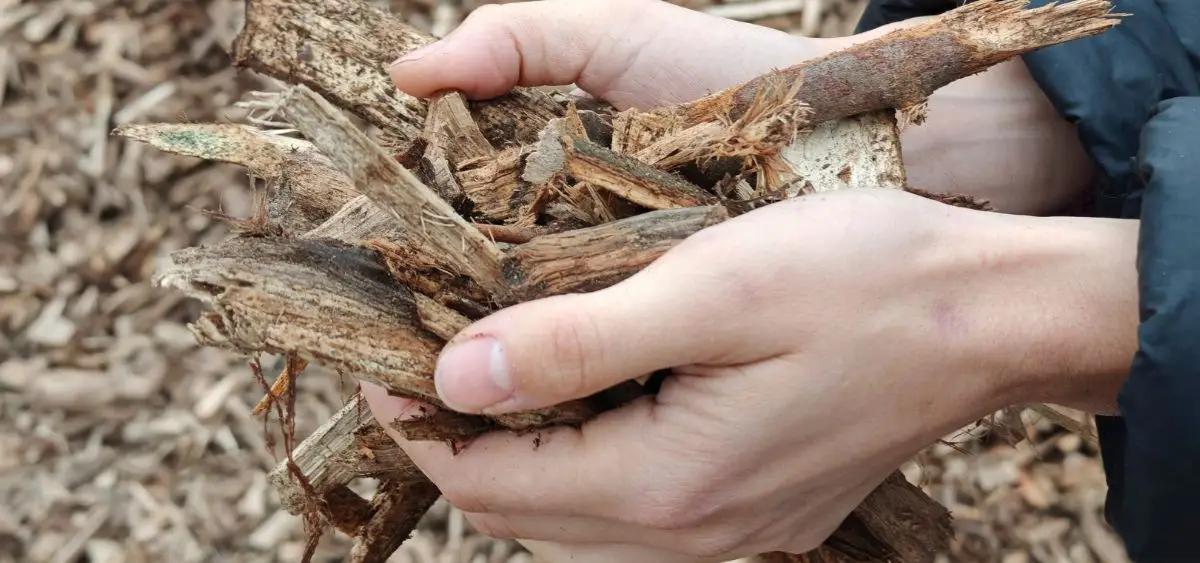
Biomass energy comes from natural, organic materials that store energy from the sun. This includes things like wood, farm waste, animal manure, and even leftover food. These materials are burned or processed to produce heat, electricity, or fuel. For example, power plants can burn biomass to generate energy, and industries can turn it into biofuels for vehicles. In simple words, we’re using old plant-based materials as a source of energy for today.
It’s actually one of the oldest energy sources humans have used. The difference now is that modern technology has made it more efficient and cleaner than traditional methods like burning wood directly. But the big question still remains — does this make biomass truly sustainable? That’s exactly why the debate around its pros and cons continues.
To know more about it, click here- Biomass Energy
Biomass Energy Advantages (Simple & Clear Points)
- Renewable source (when managed properly): Plants and crops can be regrown in a short time, unlike fossil fuels that take millions of years.
- Reduces waste: Organic materials like agricultural waste, wood scraps, and food waste can be reused instead of ending up in landfills.
- Helps lower methane emissions: Using waste for energy prevents it from decomposing and releasing methane, a harmful greenhouse gas.
- Reliable energy supply: Biomass can generate power anytime, unlike solar and wind which depend on weather conditions.
- Supports rural jobs and economies: Farming, collection, and processing of biomass create local employment opportunities.
- Reduces dependence on fossil fuels: It helps countries rely less on imported coal, oil, and gas.
- Potentially carbon-neutral: When sourced sustainably, the carbon released is roughly equal to what plants absorbed during growth.
- Versatile energy use: Biomass can be used for electricity, heating, and even fuel (biofuels), making it flexible.
- Uses existing infrastructure: In many cases, biomass can be integrated into current energy systems with fewer changes.
- Supports green energy goals: It contributes to renewable energy targets and helps in the transition to cleaner energy sources.
Biomass Sustainability: The Other Side You Should Know
However, things aren’t as simple as they seem. Critics point out several serious concerns. When biomass is burned, it releases carbon dioxide immediately. But plants and trees take years—sometimes decades—to grow back and absorb that carbon again. During that time, emissions are still sitting in the atmosphere.
Some research even suggests that certain types of biomass, like wood, can produce more carbon emissions per unit of energy than coal. In cases like palm oil biofuels, the impact can be even worse when land clearing is involved.
There are also environmental and health concerns. Burning biomass releases pollutants like particulate matter and nitrogen oxides, which can harm human health. Large-scale biomass production can lead to deforestation, loss of biodiversity, and poorer soil quality. In some areas, growing crops for energy competes with food production, which can increase food prices.
Recent data shows that while biomass energy is still being used, its growth is relatively slow compared to solar and wind. Its share in global renewable energy remains quite small and may even decline slightly in the coming years.
Biomass Environmental Impact: What You Should Really Know
Biomass isn’t just about emissions — its impact goes much deeper. Here are the facts that actually matter:
- Deforestation risk: Large-scale biomass production can lead to cutting down forests and destroying wildlife habitats.
- Less biodiversity: Monoculture plantations (growing only one type of crop) replace natural forests, store less carbon, and are more prone to fires.
- High water usage: Growing energy crops requires a lot of water, increasing pressure on resources.
- Water pollution: Chemicals used in these crops can run off into rivers and harm ecosystems.
- Research insight (2023): A U.S. study found that producing biomass can sometimes harm the environment more than actually using it.
- Not all biomass is equal: Wood is one of the least eco-friendly options, while some biodiesels perform better.
- Scaling problem: Small-scale biomass can be helpful, but large-scale use often increases environmental damage.
Biomass vs Fossil Fuels: Better… But Not Perfect
Compared to fossil fuels like coal, oil, and gas, biomass often looks like a better option. It works with recently captured carbon instead of releasing carbon that has been stored underground for millions of years. It can also support local jobs and improve energy security.
But it’s not that simple. Fossil fuels clearly add new carbon to the atmosphere. Biomass, on the other hand, can do the same if forests are cut down faster than they can grow back. In some cases, the air pollution from biomass can be similar to what we see with coal plants. So yes, biomass can be a better alternative — but only when it’s managed properly. If not, the benefits can quickly disappear. We have written a detailed blog on the difference between biomass and fossil fuels. You can read it by clicking the link.
Biomass vs Solar and Wind: A Simple Comparison
Let’s break it down in an easy way. When we compare biomass with solar and wind energy, there are some clear differences. Solar and wind are much cleaner overall. They usually produce less than 50 grams of CO₂ per kilowatt-hour. Biomass, on the other hand, can produce around 230 to 350 grams, which is quite a bit higher.
Another big difference is fuel. Solar panels and wind turbines don’t need fuel once they’re installed. But biomass depends on a steady supply of materials like wood or waste, which also need to be transported.
Land use is important too. Wind farms still allow farming or grazing around them, and solar panels can be placed on rooftops or less useful land. Biomass, however, often needs large areas of land, which can affect forests and natural habitats.
That said, biomass has one strong advantage—it’s reliable. It can produce energy anytime, even when the sun isn’t shining or the wind isn’t blowing. This makes it useful as a backup in a mix of renewable energy sources.
Experts believe bioenergy could grow a lot by 2050, possibly supplying 15–20% of the world’s energy, especially if combined with carbon capture technology. But for now, solar and wind are growing much faster and leading the shift toward clean energy.
Biomass Energy Sustainability Facts in 2026
Right now, biomass energy shows a mix of progress and concerns. It provides around 9% of the world’s total energy and is still one of the biggest renewable sources when you don’t count traditional uses like firewood.
Investment in this sector is growing fast, with spending expected to reach about $16 billion by 2025. One of the most talked-about innovations is BECCS (Bioenergy with Carbon Capture and Storage), which can actually remove more CO₂ from the atmosphere than it produces.
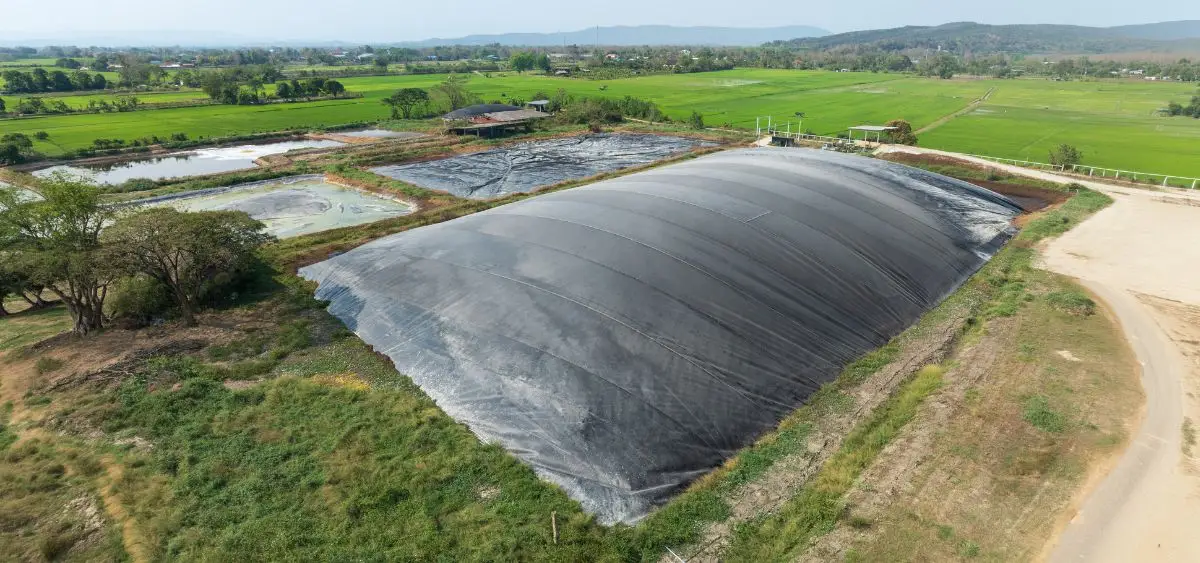
But here’s the catch — biomass is only truly sustainable when it uses the right materials. Things like crop waste, animal manure, and organic leftovers work well. On the other hand, cutting down whole trees or relying on palm plantations often does more harm than good.
By 2026, governments are becoming stricter. Regions like the EU are setting tougher rules to make sure only low-carbon, certified biomass gets financial support. The goal is simple, support real sustainable energy and stop misleading “green” claims.
The Biomass Energy Future
Looking ahead, biomass holds real potential in the biomass energy future. It complements solar and wind by providing flexible, storable energy. It turns waste into power and supports industrial heat that electricity struggles to replace. When combined with carbon capture, it becomes one of the few technologies that can deliver negative emissions at scale. Projections show sustainable bioenergy could supply 87–119 exajoules per year by 2050 from residues alone—enough to make a meaningful dent in climate goals.
But the illusion risk remains real. If governments and companies chase volume over quality, forests suffer, emissions rise, and public trust erodes. The key lies in strict rules: use waste first, protect biodiversity, and measure full lifecycle impacts. Without those guardrails, biomass could distract from faster, cleaner options like solar and wind.
Conclusion
So, is biomass sustainable? The honest answer is—it depends. When it’s managed properly, it can be part of the solution and help us move toward cleaner energy. But it’s not a perfect fix. Biomass comes with both benefits and downsides, and those trade-offs matter more than people often realize.
Whether biomass turns into a truly green energy option or just another overhyped idea depends on how we use it. Better technology, clear policies, and transparency will play a huge role in shaping its future.
As individuals, we also have a part to play. You can support bioenergy that uses waste instead of cutting down forests. Choose products that come from certified sustainable sources. And most importantly, support a mix of renewable energy like solar, wind, and responsibly managed biomass.
There’s no single solution to fixing our energy problems—we need a combination of approaches. Biomass can help if used carefully, but it can also cause harm if handled poorly. So what do you think—real solution, risky illusion, or somewhere in between? The conversation is still open, and your opinion truly matters.
Also, read:
Types of Biomass: The Backeup Energy source in Tough Times!
How Does Biomass Conversion Work? Step-by-Step process!
E-Waste Disposal: Silent Crisis Behind 72 Million Tonnes!
Elon Musk’s SpaceX Starship: Helping Earth or Hurting It?
From Bottles to Jackets: The Real Story of Recycled Polyester
FAQs
Is biomass really a sustainable source of energy?
Biomass can be sustainable if it comes from responsibly managed sources like agricultural waste or fast-growing plants. However, cutting down forests for biomass can make it unsustainable.
Is biomass considered renewable energy?
Yes, biomass is classified as renewable energy because it comes from organic materials like plants and waste. But renewability depends on how quickly those resources are replaced.
Does biomass energy produce carbon emissions?
Yes, burning biomass releases carbon dioxide. Some experts say it’s carbon neutral, but others argue it can produce as much or more CO₂ than fossil fuels in certain cases.
What are the main advantages of biomass energy?
Biomass helps reduce waste, provides a steady energy supply, and can reduce dependence on fossil fuels when used properly.
Is biomass better than fossil fuels?
In some cases, yes—especially when using waste materials. But if forests are cut down, biomass can be just as harmful as fossil fuels.