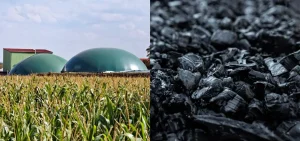
Imagine walking into a home where the air feels fresh and clean. The walls have a soft, natural smell that feels calming instead of harsh. There are no strong paint fumes and no worries about harmful chemicals affecting your family’s health. Today, as more people choose eco-friendly living, Vedic Plaster is becoming a popular choice for modern homes. This natural wall plaster is inspired by ancient building methods and replaces chemical-based paints with a healthier and more sustainable option.
Vedic Plaster is made using natural materials, including traditional cow dung wall plaster, which has been used in Indian homes for centuries. It fits perfectly with the idea of eco-friendly construction and sustainable living. So why are more people talking about it? Vedic Plaster helps keep homes naturally cool, can reduce energy use, and is better for the environment. If you are planning to renovate or build a home, this natural wall solution might be worth considering.
What is Vedic Plaster? Understanding the Basics
Vedic Plaster is a natural wall coating inspired by traditional Indian building methods. It is mainly made from gypsum, a natural mineral that has been used in construction for centuries. To create Vedic Plaster, builders mix gypsum with sieved cow dung ash, calcium hydroxide (lime), and small organic additives like D,L-tartaric acid. These ingredients help control the setting time so the plaster can be applied smoothly without drying too quickly.
Cow dung is not used just because of tradition, it actually works as a natural binding material. When finely filtered (around 0.9 mm particles), it helps hold the mixture together and improves the plaster’s strength. The formula does not require cement or sand, making it a more natural and eco-friendly option. The dry mixture is lightweight, with a density of about 950 grams per liter, which makes it easy to transport and apply. Around one ton of Vedic Plaster can cover nearly 58 square meters when applied at a thickness of about 12 mm. This makes it suitable for interior walls and even flooring.
The plaster usually begins to set in about 40 minutes, so workers need to apply it efficiently. For walls, a common mix is two parts plaster powder and one part water, creating a smooth paste. For floors, a thicker 3:1 ratio is used so it can handle regular foot traffic.
Although it comes from ancient ideas, Vedic Plaster is not just a traditional mud finish. It is a refined natural coating that can be used in modern homes, apartments, or rural houses. The concept is inspired by old Indian building practices where cow dung and lime were used to make durable, breathable walls, especially in humid climates.
Today, Vedic Plaster is gaining attention as a chemical-free and eco-friendly wall plaster. Unlike synthetic paints or coatings that trap moisture, this natural plaster allows walls to breathe, helping reduce dampness and mold. It can also be applied to different surfaces such as brick walls, concrete blocks, or RCC structures without the need for special primers.
In simple terms, Vedic Plaster represents a sustainable building solution that combines traditional knowledge with modern construction needs, creating healthier and more environmentally friendly homes.
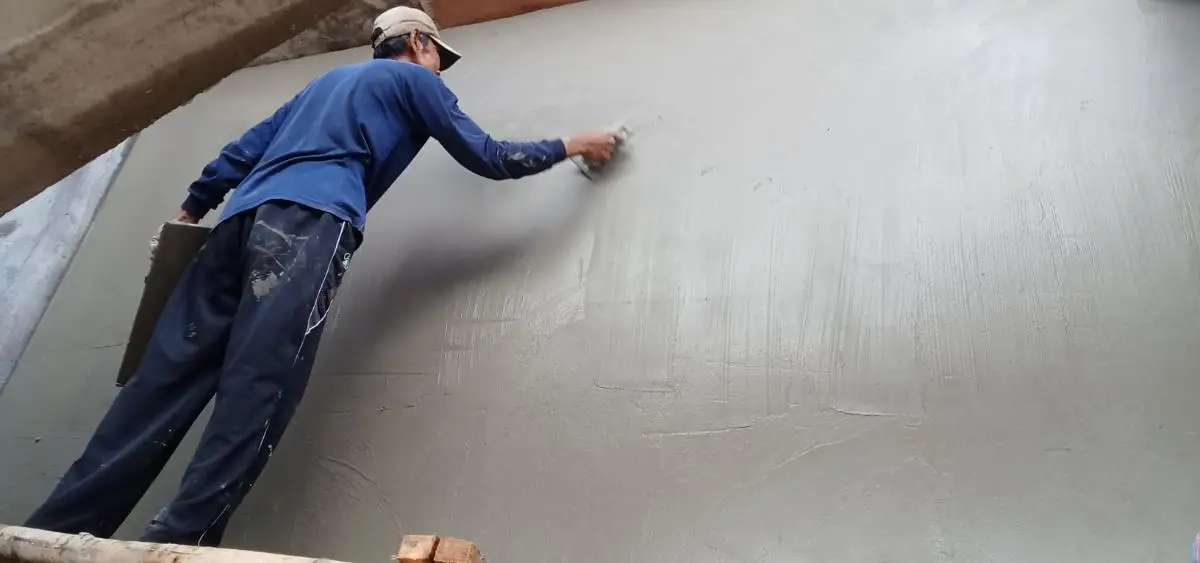
Vedic Plaster Benefits: Good for Your Health, Home, and the Environment
Why are more people choosing Vedic Plaster today? The reason is simple, it offers many benefits for your health, your home, and the planet. Let’s understand how.
1. A Healthier Environment for Your Family
Your home should be a place where you feel comfortable and safe. Vedic Plaster helps create that environment because it is completely natural and free from harmful chemicals. Unlike many modern wall paints that release toxic fumes, Vedic Plaster does not contain volatile chemicals that can cause headaches, allergies, or breathing problems.
Since it is made using natural ingredients like cow dung and gypsum, it gives a light earthy smell that feels fresh and natural. Gypsum also helps control moisture inside the house, which keeps humidity balanced and reduces the chances of mold growth.
Another advantage is that Vedic Plaster allows walls to “breathe.” This means better indoor air quality and a healthier living space. It can also reduce outside noise and provide some protection from heat and radiation. Many people also appreciate that it is naturally fire-resistant because gypsum does not easily burn.
2. An Eco-Friendly Choice for a Greener Future
Vedic Plaster is considered one of the most eco-friendly building materials. Unlike cement plaster, it does not require water curing, which saves a large amount of water during construction. It also avoids the need for sand mining, which helps protect rivers and natural ecosystems.
Because it is made from natural materials, it supports sustainable construction and environmentally friendly homes. Some similar natural plaster solutions have even been shown to keep indoor temperatures cooler by several degrees, which helps reduce the need for air conditioning.
Its breathable nature also improves indoor air quality, making it suitable for green buildings and sustainable housing projects.
3. Cost-Effective and Easy to Use
Vedic Plaster is not only eco-friendly but also budget-friendly. It is simple to prepare and apply. Usually, the plaster is mixed in a ratio of two parts powder to one part water and can be applied easily without special tools.
Another benefit is that you don’t always need additional paint because the natural finish itself looks attractive. Over time, it can also help reduce energy costs because it provides natural insulation. Homes stay cooler in summer and more comfortable in winter.
In terms of durability, Vedic Plaster is strong enough for everyday use. It has good compressive strength, and when used for flooring, a slightly thicker mix can easily handle regular foot traffic.
Vedic Plaster vs Cement Plaster: Which One Is Better?
For many years, cement plaster has been the most common choice for walls. It is strong and durable, which is why builders have used it for decades. But it also has some drawbacks. Cement plaster can crack in very hot weather, it needs a lot of water during the curing process, and cement production releases a large amount of carbon dioxide. In fact, the construction industry is responsible for about 8% of global CO₂ emissions.
Vedic Plaster offers a different and more eco-friendly option. It is made from natural ingredients and does not create pollution during production. It also helps with sound insulation and keeps indoor spaces cooler. Unlike cement plaster, it does not release harmful chemicals into the soil and can naturally break down over time.
Studies show that natural plasters like Vedic Plaster have lower thermal conductivity. This means they reduce heat transfer, helping homes stay cooler without relying on synthetic insulation materials.
For people building eco-friendly homes, switching to Vedic Plaster can be a smart choice. Some developers in India say they save around 10–15% on materials when using natural plasters. Around the world, sustainable construction is also growing. Gypsum and natural plaster options are expected to gain about 25% more market share in green building projects by 2026.
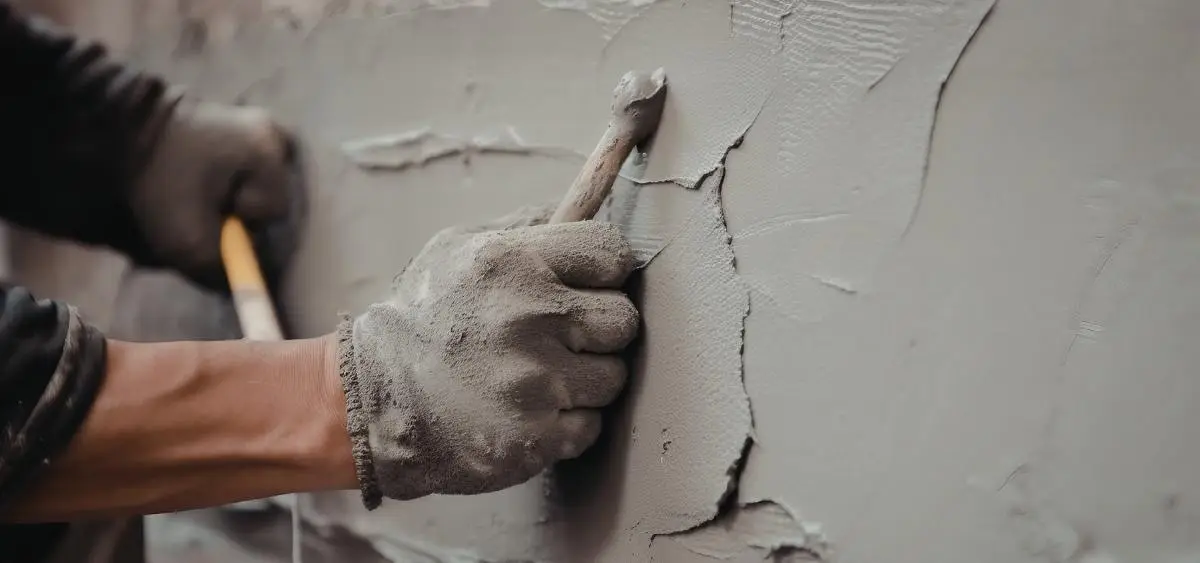
How to Use Vedic Plaster in Your Home?
Using Vedic Plaster is quite simple and even suitable for DIY projects.
- First, make sure the wall surface is clean and slightly damp. Then mix the plaster powder with soft water until it becomes smooth and creamy. Apply it to the wall in thin layers, usually reaching a thickness of about 12 mm in total. Once applied, it naturally sets without needing extra rinsing.
- For interior walls, you can add natural mineral colors to create beautiful shades like terracotta, beige, or soft ivory. Many professionals like using Vedic Plaster because it is quick to apply and works well with other sustainable building materials.
- It also performs well in humid areas such as bathrooms because it helps absorb and release moisture, keeping the environment fresh.
Pro tip: If you combine Vedic Plaster with natural materials like bamboo, wood, or recycled tiles, you can create a warm and eco-friendly interior design.
Vedic Plaster and the Future of Eco-Friendly Homes
Sustainable construction is becoming more important every year. As environmental concerns grow, more people are choosing natural materials for their homes. Vedic Plaster fits perfectly into this trend. From modern apartments in big cities to eco-friendly houses around the world, natural wall coatings are becoming popular because they support healthier indoor environments.
In India, green construction is growing rapidly, and many new buildings are now using natural plasters. Globally, the wall panel and finishing materials market is expected to reach $16.81 billion by 2031, with eco-friendly options driving much of the growth.
Another advantage is that Vedic Plaster supports the idea of a circular economy. Materials like cow dung, which might otherwise be considered waste, are turned into useful building resources. This helps reduce waste and create more sustainable homes. Many homeowners say their spaces feel calmer and more natural after switching to natural plaster.
Final Thoughts: Choose Natural, Live Better
Vedic Plaster is more than just a building material, it is a step toward healthier and more sustainable living. It provides a natural wall finish that is breathable, eco-friendly, and visually appealing. If you are planning to renovate or build a new home, consider using Vedic Plaster. It can improve your indoor environment while also being kinder to the planet. Would you try natural plaster for your home walls? Let us know your thoughts.
Also, read: What Is the Dead Sea and Why Doesn’t Anything Live in It?
Also, read: Who Are the Green Giants? And How Are They Changing Our World?
Also, read: How Lohum Is Making Millions from Waste Batteries!
Also, read: Why Lyocell is the Smartest Sustainable Fabric Choice?
Also, read: Smart and Simple Recycling Tips to Help the Planet!