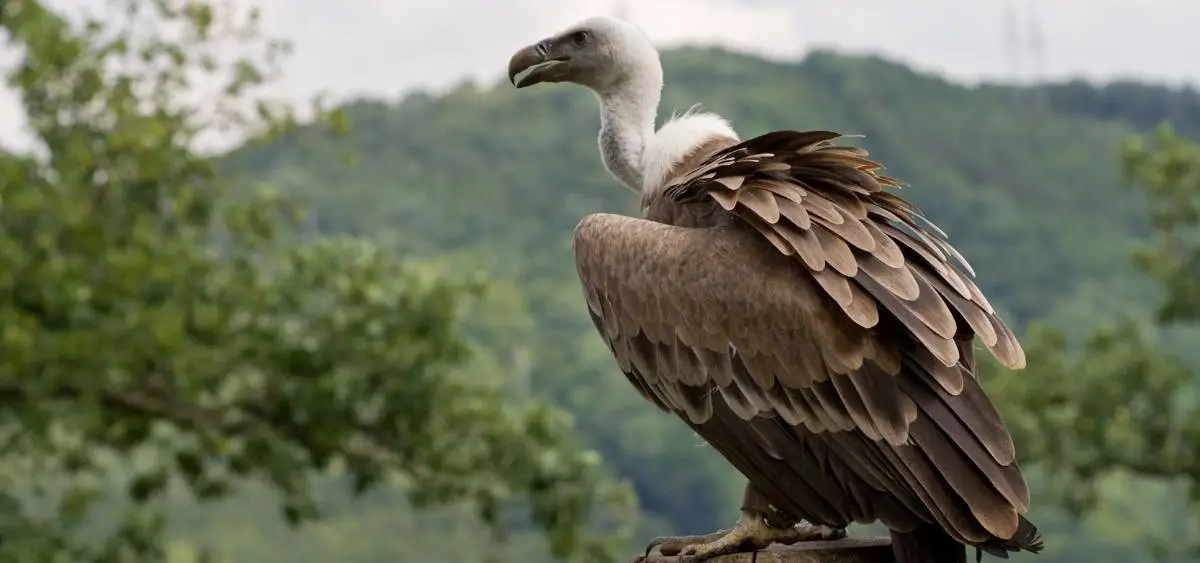
International Vulture Awareness Day: Imagine a world where nature’s cleanup crew vanishes. Dead animals pile up, diseases spread, and ecosystems crumble. This isn’t a dystopian movie, it’s a real threat if we don’t act to save vultures. International Vulture Awareness Day, celebrated on the first Saturday of September, shines a spotlight on these misunderstood birds. In 2025, it falls on September 6, and the global vulture awareness movement is calling everyone to join the Save the Vultures campaign. Let’s explore why vultures matter, the dangers they face, and how you can help protect these vital scavenger birds.
Did you know? In just a few decades, India lost over 97% of its vulture population, creating a serious environmental and health risk. Without vultures to clean up dead animals, rotting carcasses start spreading dangerous diseases. What makes vultures truly remarkable is their ability to safely digest deadly bacteria like anthrax and rabies, acting as nature’s powerful disease control system.
Why Vultures Are So Important for the Ecosystem?
Vultures play a critical role in maintaining eco-balance. They are the only land animals that feed almost entirely on carrion dead animals. By cleaning up carcasses, vultures prevent diseases like rabies, anthrax, and botulism from spreading. Their stomach acid is so powerful it neutralizes deadly pathogens, making them nature’s ultimate janitors. This unique ability increases the importance of vultures in ecosystems and for human health.
Beyond disease control, vultures help recycle nutrients back into the soil. They also save communities from economic losses by reducing the need for costly waste management. In places like India, their decline led to a surge in feral dogs, causing a spike in rabies cases and billions in damages. The role of vultures in the environment is clear: they keep nature clean and healthy.
Busting Vulture Myths
Vultures are often misunderstood. Let’s clear up some myths:
- Myth: Vultures are buzzards.
Truth: Buzzards are hawks, like the red-tailed hawk. Vultures, like the turkey vulture, are distinct scavengers. - Myth: Vultures attack healthy animals.
Truth: They feed only on carrion, posing no threat to living creatures. - Myth: Vultures are dirty.
Truth: Their behaviors, like urinating on their legs (urohidrosis), keep them clean and cool.
These facts highlight why protecting scavenger birds is crucial. Vultures aren’t villains, they’re heroes of the sky.
The Vulture Extinction Crisis: Why Are Vultures Endangered?
Despite their importance, vultures face a grim future. Around 70% of the world’s 23 vulture species are threatened or endangered. The vulture extinction crisis is real, with populations plummeting in Asia and Africa. Here’s a look at the main threats to vulture populations:
- Poisoning: In Africa, poachers lace carcasses with poison to hide their crimes, killing hundreds of vultures at once. In Asia, a drug called Diclofenac, used to treat cattle, wiped’out up to 99% of some vulture species in the 1990s and early 2000s. Though banned, its effects linger.
- Habitat Loss: Deforestation and urban expansion shrink vulture habitats, leaving them with less food and space.
- Illegal Trade: In some African regions, vulture parts are used in belief-based practices, leading to mass poisonings. For example, over 2,000 hooded vultures died in Guinea-Bissau between 2019 and 2020.
- Power Line Collisions: Vultures often die from electrocution or crashing into power lines, with millions of birds affected yearly.
The vulture decline in Asia and Africa has been catastrophic. Species like the white-rumped, Indian, and slender-billed vultures are critically endangered, while the California condor in North America teeters on the brink despite conservation efforts.
International Vulture Awareness Day 2025: A Call to Action
International Vulture Awareness Day is more than a celebration, it’s a global plea to save nature’s cleanup crew. Started in 2009 by South Africa’s Birds of Prey Programme and the UK’s Hawk Conservancy Trust, this day unites zoos, wildlife parks, and conservationists worldwide. The International bird awareness days like this one aim to change how we see vultures and inspire action to protect them.
On September 6, 2025, events will take place globally, from vulture-themed crafts and quizzes to live demonstrations at zoos. For example, some organizations will host interactive quizzes to discover which vulture species you’re most like. Others will offer coloring pages or chances to meet a live vulture up close. These activities make wildlife conservation awareness days fun for families, students, and nature lovers.
Vulture Conservation Efforts in Action
Around the world, vulture protection programs are fighting to save these birds:
- Asia: The ban on Diclofenac has been a game-changer. “Vulture restaurants” provide poison-free food, and breeding centers support species like the white-rumped vulture.
- Africa: The Vulture Multi-species Action Plan tackles poisoning and habitat loss. Anti-poisoning response teams use Wildlife Poisoning Response Kits to save vultures from toxic carcasses.
- North America: The California condor’s recovery, driven by captive breeding, shows hope. Programs at zoos and wildlife centers continue to boost numbers.
These efforts prove that endangered scavenger birds can recover with human support. But we need to act fast to stop the vulture extinction crisis.
How You Can Join the Save the Vultures Campaign?
You don’t need to be a scientist to make a difference. Here are simple ways to get involved in vulture conservation efforts:
- Spread the Word: Share vulture facts on social media using hashtags like #VultureDay or #VoiceForVultures. Bust myths, like the idea that vultures are dirty or cruel. Their bald heads, often called ugly, are actually hygienic, keeping bacteria at bay.
- Join an Event: Check the official International Vulture Awareness Day website for local or online events. Zoos and wildlife centers often host talks, crafts, or feeding demonstrations.
- Support Conservation: Donate to organizations working on vulture protection programs. Funds help create “vulture restaurants” (safe feeding zones) or equip rangers with Poison Response Kits to combat poisoning.
- Learn More: Watch documentaries like Vanishing Vultures or Vulture Culture to understand the importance of vultures for humans. You can also read about species like the California condor, which has grown from just 22 birds in the 1980s to over 1,000 through breeding programs.
- Take Action Locally: Move roadkill off roads safely to prevent vulture deaths. Report power line electrocutions to authorities. Support laws protecting migratory birds.
Why International Vulture Awareness Day Matters?
Vultures are more than scavengers, they’re guardians of our planet. Without them, ecosystems falter, diseases spread, and human health suffers. International Vulture Awareness Day 2025 is your chance to join the global vulture awareness movement. By celebrating, learning, and acting, you can help save nature’s cleanup crew.
So, mark your calendar for September 6, 2025. Host a vulture-themed party, share a stunning vulture photo, or simply tell a friend why vultures matter. Together, we can ensure these sky cleaners soar for generations to come. Let’s be a voice for vultures and keep nature in balance!
FAQs
1. How many species of vultures are endangered?
Out of 23 vulture species worldwide, 16 are classified as threatened or endangered by the IUCN, with several critically endangered in Asia and Africa.
2. What happens if vultures go extinct?
If vultures disappear, carcasses will remain in the open, leading to an increase in stray dogs, rats, and the spread of deadly diseases like rabies and anthrax.
3. What activities take place on International Vulture Awareness Day?
Zoos, wildlife organizations, and bird conservation groups organize educational talks, exhibitions, awareness campaigns, and bird-watching events to spread knowledge about vultures.
4. What is the role of vultures in the ecosystem?
Vultures act as natural scavengers, cleaning up animal remains and preventing the spread of harmful bacteria and diseases that can affect humans and other wildlife.
5. How can I contribute to International Vulture Awareness Day?
You can contribute by:
- Sharing awareness posts on social media
- Supporting conservation NGOs
- Participating in local awareness programs
- Educating others about vultures’ importance
Also, read: Biomimicry in Action: Nature-Inspired Tech for a Sustainable Future
Also, read: Turn Trash into Treasure: How to recycle waste paper at home
Also, read: The Power of “Reduce, Reuse, Recycle”: Making Every Resource Count
Also, read: What Is the Dead Sea and Why Doesn’t Anything Live in It?
Also, read: From Plastic to Purpose: A Thoughtful List of Sustainable Swaps
Upcoming Important Blogs


Recent Popluar Blogs
-
 May 28, 2026
How Patagonia’s “Don’t Buy This Jacket” Promoted Sustainability!
Most brands spend millions trying to convince people to buy more products. Every advertisement, campaign, and discount is designed to increase sales and encourage consumption.Read more -
May 26, 2026
Bhopal’s Viral Algae Tree Might Be the Future of Smart Cities!
Air pollution is becoming a serious issue in cities across the world. Rising vehicle emissions, industrial smoke, and the continuous loss of green spaces areRead more -
May 23, 2026
GOTS vs OEKO-TEX: Confused? Here’s the Simple Difference
When buying clothes, bedsheets, baby clothes, or other fabrics, you may have seen labels like GOTS and OEKO-TEX on products. Many people think these certificationsRead more