
Leather has long been a go-to material for fashion, from sleek handbags to sturdy shoes. But the leather industry comes with heavy baggage, think environmental damage, animal cruelty, and worker health risks. The good news? You don’t need to sacrifice style or durability to make ethical choices. Sustainable leather alternatives are stepping up, offering eco-friendly, cruelty-free options that look and feel just as good. Let’s dive into the best vegan leather, plant-based leather, and other leather-free materials changing the fashion game in 2025.
Why Look for Alternatives of Leather?
Traditional leather production harms the planet and animals. Raising livestock for leather creates a massive carbon footprint, about 91% higher than some vegan leather options, according to studies from innovators like Modern Meadow. Toxic chemicals, like chromium used in tanning, pollute waterways and harm workers. Plus, animal welfare concerns make many question whether leather is worth it.
Top Sustainable Leather Alternatives to Know
Here’s a rundown of the best eco-friendly leather options. These materials are cruelty-free, innovative, and perfect for leather-free shoes and bags.
1. Pineapple Leather (Piñatex)
Pineapple leather, or Piñatex, turns pineapple leaf fibers into a durable, plant-based leather. Farmers in places like the Philippines benefit from extra income by using leaves that would otherwise go to waste. The process blends these fibers with a corn-based polylactic acid (PLA) and a water-based polyurethane (PU) coating for strength. While not fully biodegradable, Piñatex is a sustainable choice. Some brands use it for stylish vegan leather bags and shoes. It’s flexible, water-resistant, and a true game-changer for ethical leather options.
2. Mushroom Leather (Mylo and MuSkin)
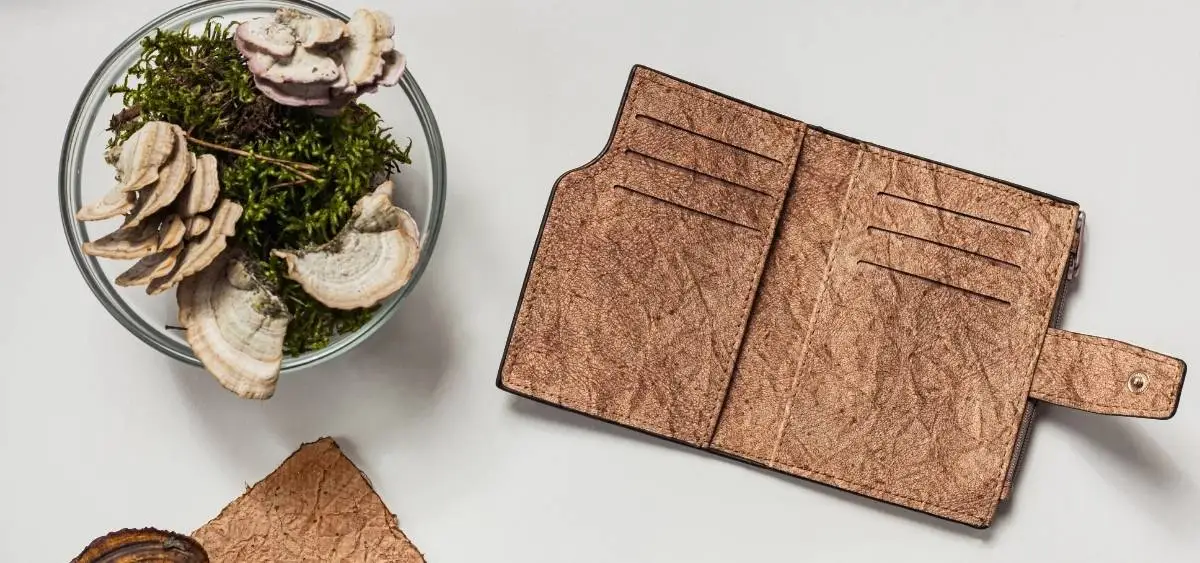
Mushroom leather is making waves in sustainable fashion. Mylo, made from mycelium (the root-like structure of mushrooms), grows in vertical farms using renewable energy. It’s soft, durable, and mimics animal leather’s texture. Stella McCartney and Ganni have used it for chic handbags. MuSkin, crafted from the Phellinus ellipsoideus fungus, is softer, like suede, and biodegradable with eco-friendly waterproofing. Though not widely adopted yet, mushroom leather is a top pick for animal-free leather lovers.
3. Cork Leather
Cork leather comes from the bark of cork oak trees, harvested every decade without cutting the tree down. This renewable material is lightweight, waterproof, and durable. It’s often backed with a small amount of polyurethane, so it’s not fully biodegradable, but it’s still an eco-friendly leather choice. Cork’s unique texture adds a quirky flair to leather-free shoes and bags. Many brands love its low environmental impact and long-lasting appeal.
4. Apple Leather (AppleSkin)
Apple leather, or AppleSkin, transforms apple juice industry waste, skins, seeds, and cores, into a luxurious leather substitute. Mixed with a water-based PU, it’s about 50% apple material, offering a paper-like feel that’s versatile for fashion. Brands like VEERAH use it for elegant heels. While not fully biodegradable, apple leather reduces waste and emissions, making it a solid pick for sustainable leather alternatives.
5. Banana Leather (Bananatex)
Banana leather, known as Bananatex, uses fibers from banana plants grown in the Philippines. It’s Cradle to Cradle Gold-certified, meaning it’s designed with sustainability in mind from start to finish. This plant-based leather is strong, breathable, and eco-friendly. Stella McCartney’s designs showcase its chic potential. Banana leather supports farmers and reduces waste, making it a standout among leather-free materials.
6. Cactus Leather (Desserto)
Cactus leather, or Desserto, is made from prickly pear cacti in Mexico. The plants grow with minimal water, relying on rainwater, which makes them super sustainable. The production skips harmful chemicals, and the material can be backed with recycled fibers for extra eco-points. Brands like Balenciaga and Hublot use it for trainers and watch straps. Despite some concerns about PU traces in early tests, cactus leather remains a top cruelty-free leather option.
7. Coconut Leather (Malai)
Coconut leather, like Malai, comes from wastewater and fibers in the coconut industry. A fermentation process turns this waste into a durable, compostable material. It’s not a perfect leather mimic but shines as a unique, eco-friendly choice. Malai lasts 4-8 years with proper care, though it’s sensitive to humidity. Small brands in India are starting to embrace it for sustainable fashion.
8. Recycled Leather Alternatives
Recycled leather alternatives, like those made from PET bottles or old tires, give new life to waste. Brands like Remeant craft bags and accessories from recycled plastic and nylon. Recycled rubber, often from tires, is tough and perfect for boots or bags. While not biodegradable, these materials reduce landfill waste and the need for virgin resources, making them a smart pick for eco-conscious shoppers.
9. Waxed Cotton
Waxed cotton is a classic leather substitute, especially for jackets and bags. Organic cotton, coated with eco-friendly wax, becomes water-resistant and durable. You can re-wax it to keep it looking fresh, making it ideal for long-term use. It’s a favorite for second-hand shoppers because it’s easy to restore. Waxed cotton is a practical, sustainable choice for leather-free fashion.
10. Bio-Based Leather (Bio-Tex and Shiringa)
Bio-Tex, made by Modern Meadow, uses a fermentation process with sugar and yeast to create a soft, luxurious material. It cuts greenhouse gases emission by up to 91% compared to traditional leather. Shiringa bio-leather, from Amazonian latex sap, supports Indigenous communities and protects forests. Both are cutting-edge ethical leather options with huge potential for best vegan leather brands.
Things to Consider When Choosing Leather Alternatives
Not all leather substitutes are equal. Here’s what to keep in mind:
- Plastic Use: Many alternatives, like Piñatex or AppleSkin, use small amounts of PU for durability. Bio-based plastics are better than fossil-fuel ones, but they may not be biodegradable. Check the material’s makeup if avoiding plastic is key for you.
- Durability: Vegan leather needs to last. Materials like Mirum (100% plastic-free) and cork are built for longevity, while others, like Malai, may break down faster in humid conditions.
- Sustainability: Look for materials with low water use (like cactus leather) or those using waste (like apple or coconut leather). Certifications like Cradle to Cradle or USDA bio-preferred can guide you.
- Ethics: Choose brands that prioritize fair labor and transparency alongside sustainable materials. A vegan leather bag means little if it’s made in poor working conditions.
Why Choose Sustainable Leather Alternatives?
Opting for vegan leather or plant-based leather isn’t just about avoiding animal cruelty. These materials often use less water, emit fewer greenhouse gases, and repurpose waste. For example, cactus leather relies on rainwater, and pineapple leather turns farm waste into profit. Plus, they’re versatile, perfect for leather-free shoes, bags, or even jackets. By choosing ethical leather options, you support innovation and a cleaner planet.
Challenges for Leather Alternatives
While exciting, leather substitutes face hurdles. Scaling production is tough, Mylo paused in 2023 due to funding issues. Some materials, like Malai, aren’t widely adopted yet. Durability is another concern; brands need confidence that vegan leather will last as long as traditional leather. Still, with growing demand and investment, these alternatives are gaining traction in 2025.
How to Find the Best Vegan Leather Brands?
Switching to vegan leather is a fantastic way to embrace cruelty-free fashion while staying stylish. But with so many brands claiming to offer sustainable leather alternatives, how do you find the best ones? From pineapple leather to apple leather, the options are endless, but not all are created equal. That’s where platforms like Project Cece come in, making it easier to discover ethical, eco-friendly leather brands that align with your values. Let’s explore how Project Cece can help you shop smarter and find the best vegan leather brands for your wardrobe in 2025.
Why Project Cece Is Your Go-To for Vegan Leather?
Project Cece is a game-changer for sustainable fashion lovers. It’s an online search engine that brings together over 400 fair trade and ethical brands, offering more than 40,000 products in one place. Think of it as your personal guide to cruelty-free leather and plant-based leather. Whether you’re hunting for leather-free shoes, bags, or accessories, Project Cece makes it simple to find vegan leather brands that prioritize animals, the planet, and fair labor.
What sets Project Cece apart? It’s all about transparency and ease. Their platform lets you filter by sustainability labels like “vegan,” “fair trade,” or “environmentally friendly.” You can also narrow down your search by material (like cork leather or mushroom leather), size, color, or price. This means you can quickly find ethical leather options that match your style and budget without endless browsing. Plus, they vet every brand to ensure they meet high sustainability standards, so you can shop with confidence. Click the button below to explore their collection and start building your cruelty-free wardrobe today!
Final Thoughts
The world of sustainable leather alternatives is bursting with options. From pineapple leather to mushroom leather, cork to cactus, these materials prove you don’t need animal hides to look stylish. They’re eco-friendly, cruelty-free, and often made from waste, making them a win for the planet. Next time you’re shopping for a bag or shoes, consider vegan leather or plant-based leather. You’ll feel good knowing your style choices support a better future.What’s your favorite leather substitute? Have you tried any of these materials? Share your thoughts below, and let’s keep the conversation going!
FAQs
1. Are leather alternatives durable?
Yes, many leather alternatives are strong and long-lasting. Some materials like Piñatex, cork leather, and Mylo are used in fashion and upholstery due to their durability.
2. Is vegan leather better for the environment than real leather?
Vegan leather is often more eco-friendly as it avoids animal cruelty and can use plant-based or recycled materials. However, some types of synthetic vegan leather may still contain plastics, so it depends on the material.
3. Is faux leather the same as vegan leather?
Not always. Faux leather usually refers to synthetic materials (like PU or PVC), while vegan leather includes all non-animal alternatives, both synthetic and plant-based.
4. Are leather alternatives expensive?
Some sustainable options like Mylo or Piñatex can be more expensive than regular leather, but prices vary depending on the brand, quality, and material.
5. Are plant-based leather alternatives biodegradable?
Many plant-based options like mushroom or cork leather are biodegradable, especially when they don’t contain plastic-based coatings.
Also, read: Why Organic Cotton is Better for You and the Earth?
Also, read: Top 10 Sustainable Fabrics That Are Saving Our Planet!
Also, read: Sustainable Fashion Hacks: Stylish Choices That Help the Earth
Also, read: Why This Clothing Recycling project Is Gaining Global Attention
Also, read: Glow Naturally with These Green Beauty Tips!