Composting is nature’s way of recycling. It’s the process of breaking down organic materials—like food scraps, leaves, and yard clippings—into a nutrient-rich soil amendment called compost. Through a managed, aerobic process, these materials transform into a natural fertilizer that boosts plant growth and improves soil health. If you’re new to this, don’t worry! This guide makes home composting simple and fun, showing you how to start, what to compost, and why it’s a fantastic step toward a zero waste lifestyle. Let’s explore how easy it is to embrace composting for beginners and live a little greener.
Also, read: Zero Waste Challenge: Small Changes, Big Impact
Why Composting Is a Big Deal?
Imagine turning your food scraps and yard trimmings into something amazing for your garden. Composting does exactly that, transforming organic waste into nutrient-packed compost fertilizer. Did you know nearly a third of what we throw out could be composted instead? By composting at home, you keep trash out of landfills and cut down on methane, a gas that harms the environment. It’s a practical step toward a zero waste lifestyle and eco-friendly waste disposal.
Plus, composting saves you cash. You get free, natural fertilizer, so you skip buying chemical stuff from the store. It also makes your soil healthier, helping your plants thrive. Whether you’ve got a big backyard or a tiny apartment, there’s a composting method for you. It’s an easy way to embrace green living tips and make a difference.
Also, read: Why This Clothing Recycling project Is Gaining Global Attention
What You Need to Get Started?
You don’t need much to begin composting. Here’s the basics:
- A place to compost: A DIY compost bin is great for backyard composting. For indoor composting, a small, sealed container works perfectly.
- Stuff to compost: Think kitchen waste compost like veggie scraps, fruit peels, coffee grounds, and eggshells. Toss in yard bits like leaves or small twigs too.
- A spot: A shady corner in your yard or a nook under your kitchen sink will do.
- A little patience: The composting process takes a few weeks to months, but it’s worth it.
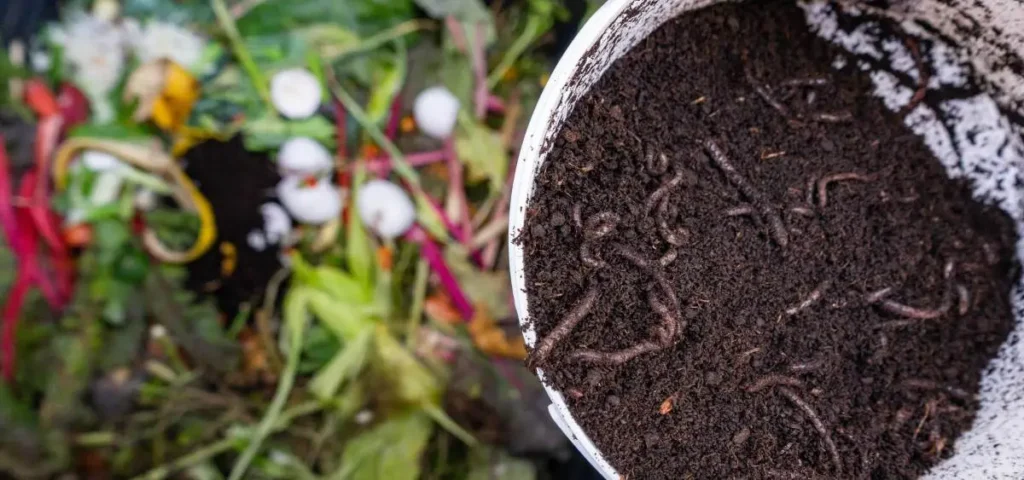
Pick a method that fits your space. If you’ve got a yard, a compost pile or bin is ideal. For apartments, try vermicomposting—using worms to break down waste. It’s compact and perfect for small spaces.
Also, read: How to Declutter Home Without Harming the Earth?
How to Compost?
Ready to dive into composting for beginners? Here’s how to build your compost pile or bin:
- Pick your setup: Go for a DIY compost bin (like a drilled plastic tub) or a store-bought one. For small spaces, vermicomposting is a cool option.
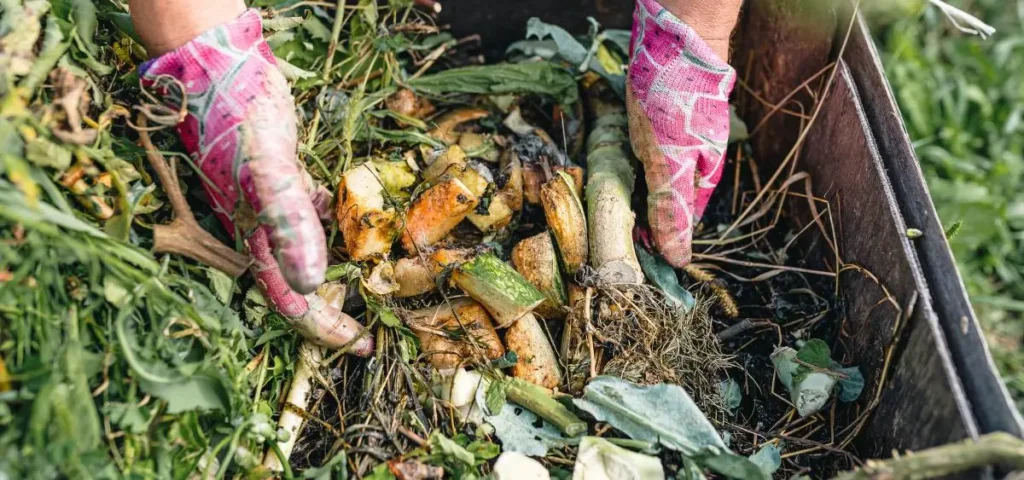
- Layer it right: Start with “brown” stuff like dry leaves or torn cardboard. Add “green” stuff like food scrap composting materials. Aim for three parts brown to one part green.
- Mix it up: Stir your compost pile every couple of weeks to let air in. This keeps it from smelling and speeds things up.
- Check moisture: Your compost should feel like a damp sponge. Too dry? Add water. Too wet? Toss in more dry materials.
- Be patient: In a few months, you’ll have dark, crumbly compost fertilizer ready for your plants.
- Composting tips: Skip meat, dairy, or oily foods—they attract pests. Stick to plant-based scraps and yard waste for a smooth process.
Also, read: How Is Plastic Recycled? A Step-by-Step Guide
Why Composting Rocks
Composting does more than just cut down on trash. It creates super-rich soil that helps plants grow strong without chemical fertilizers. Healthy soil holds water better, so you water less. Plus, composting at home means less garbage going to landfills—studies say it can keep about 150 pounds of waste per person out of dumps each year.
For anyone chasing a zero waste lifestyle, composting is a total win. It turns your scraps into something useful, closing the loop on waste. And honestly, it’s kind of fun to see your banana peels and coffee grounds become garden gold.
Also, read: Smart and Simple Recycling Tips to Help the Planet!
Mistakes to Dodge
Composting is pretty forgiving, but beginners sometimes trip up. Here’s what to avoid:
- Wrong ingredients: Don’t toss in pet waste, sick plants, or plastic. Stick to what to compost, like veggie scraps and leaves.
- Bad balance: Too much green stuff (like food scraps) makes it smelly. Too much brown stuff (like cardboard) slows things down. Keep that 3:1 ratio.
- Forgetting to care for it: Your compost pile needs air and the right moisture. Give it a stir and check its dampness now and then.
If you’re trying vermicomposting, keep your worms happy in a cool, dark spot. Don’t overfeed them, or you’ll end up with a stinky bin. Start small and learn as you go.
Composting in Small Spaces
No yard? No worries! Indoor composting is perfect for apartments or urban homes. Vermicomposting bins tuck neatly under sinks or in closets. You can also try countertop composters for food scrap composting. When done right, these setups don’t smell at all. Add small amounts of waste daily and mix in some shredded paper to keep things balanced. Composting at home works for everyone, no matter your space.
Also, read: Environment Friendly Shopping Hacks That Even Lazy People Can Do!
Conclusion
Once you’ve got the hang of it, try some advanced composting tips. Hot composting can churn out compost in just weeks if you’re up for the extra effort. Or check out Bokashi, a fermentation method that’s super quick. You can even share your compost fertilizer with neighbors or local community gardens to spread the love.
Composting is a small step with a huge impact. It’s about turning waste into something valuable while living a little greener. Grab your scraps, set up your bin, and start your composting journey today. You’ll be surprised at how simple and satisfying it can be!
FAQs
1. Why should I compost?
Composting reduces waste in landfills, helps the environment, and improves your garden’s soil.
2. How long does it take to make compost?
It usually takes 2 to 6 months, depending on the method, materials, and weather.
3. Does compost smell bad?
Good compost smells earthy. A bad smell means something is wrong—like too much wet waste or poor airflow.
4. Can I compost indoors?
Yes, you can use a small indoor compost bin or a worm bin (vermicomposting) for apartments or small spaces.
5. Can compost be used for all plants?
Yes, compost is great for most plants and gardens as a natural fertilizer.
Also, read: Composting at Home: 8 Easy Ways to Turn Waste into Gold!
Also, read: Food Waste Management: Are You Wasting More Than You Think?
Also, read: What to Plant Each Month: An Easy Harvest Planning Guide