
In today’s world, where environmental concerns are at the forefront, the simple mantra of “Reduce, Reuse, Recycle” holds immense power. These three actions, known as the 3Rs of waste management, are essential steps toward a more sustainable and eco-friendly lifestyle.
Also, read: Nature’s Light Show: The Truth About Auroras Revealed!
Understanding the 3Rs of Waste Management
The 3Rs—Reduce, Reuse, and Recycle—are simple but powerful steps that help us manage waste wisely and protect the environment. Each “R” plays a different role, but together, they form the foundation of a sustainable waste reduction strategy.
- Reduce– Reducing involves consciously limiting the amount of waste we produce. By choosing products with minimal packaging, buying only what we need, and opting for durable items, we can significantly decrease the volume of waste generated. This not only conserves resources but also reduces the burden on landfills.
- Reuse- Reusing means finding new ways to use items instead of discarding them. This could involve repurposing containers, donating old clothes, or repairing broken appliances. By extending the life of products, we reduce the need for new resources and minimize environmental impact.
- Recycle- Recycling involves processing used materials into new products. This conserves natural resources, saves energy, and reduces pollution. Commonly recycled materials include paper, glass, metal, and certain plastics. Proper recycling practices ensure that these materials are effectively transformed and reintroduced into the production cycle.
Also, read: Global Crisis! Impact of Climate Change Are Worse Than Expected
Sustainable Living Tips for Everyday Life
Embracing an eco-friendly lifestyle doesn’t require drastic changes. Here are some sustainable living tips to incorporate the 3Rs into your daily routine:
Reduce:
- Say no to paper waste by choosing digital receipts, e-tickets, and online bills instead of printed copies.
- Buy only what you need, to avoid food waste and unnecessary packaging.
- Switch to energy-efficient appliances like LED lights, refrigerators, and washing machines—they use less electricity and help lower your energy bill.
- Carry your own water bottle and coffee mug instead of buying single-use bottles or cups.
Reuse:
- Replace plastic bags with cloth or jute bags that you can wash and use again and again.
- Save glass jars, containers, and tins—use them to store dry foods, spices, screws, or even plant small herbs.
- Repair instead of replace—fix torn clothes, broken electronics, or worn-out furniture instead of throwing them away.
- Donate what you don’t use—books, clothes, toys, and electronics can be reused by someone else instead of ending up in a landfill.
Recycle:
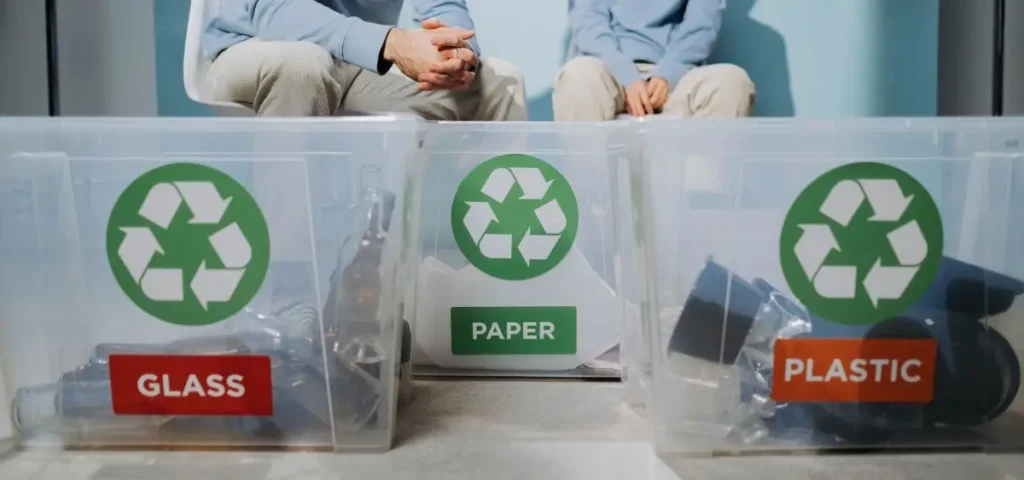
- Learn your local recycling rules—not all materials are accepted everywhere. Sort your paper, plastic, glass, and metals properly to avoid contamination.
- Clean your recyclables before placing them in the bin. Food residue can ruin a whole batch of recycling.
- Use recycling bins correctly at home, school, or work—clearly label them to make sorting easy for everyone.
- Join recycling drives and drop-off programs in your community—many places accept e-waste, batteries, and hard-to-recycle plastics.
Also, read: Cigarette Butts to Adorable Creation? This Innovation Is Genius!
The Importance of Recycling and Its Benefits
Understanding the importance of recycling is crucial for environmental conservation. Recycling helps:
- It saves natural resources: When we recycle materials like paper, plastic, glass, or metal, we don’t need to extract as many raw materials from the Earth. This means fewer trees are cut down, less mining is needed, and we use less water and energy.
- It reduces energy use: Making new products from recycled materials usually takes much less energy than using raw resources. For example, recycling paper uses 60% less energy compared to making new paper from trees.
- It cuts down on pollution and emissions: Recycling helps lower the amount of trash that ends up in landfills and incinerators, which reduces harmful gases like methane and carbon dioxide—two major causes of climate change.
For instance, recycling aluminum saves up to 95% of the energy required to produce it from raw materials .
Simple Ways to Cut Down Plastic Pollution
Plastic waste poses a significant environmental challenge. Implementing plastic waste solutions involves:
- Reducing single-use plastics by choosing reusable alternatives.
- Participating in plastic recycling programs to ensure proper disposal.
- Supporting policies and initiatives aimed at reducing plastic production and consumption.
By adopting these strategies, we can move toward a zero waste lifestyle, minimizing our ecological footprint.
Also, read: From Plastic to Purpose: A Thoughtful List of Sustainable Swaps
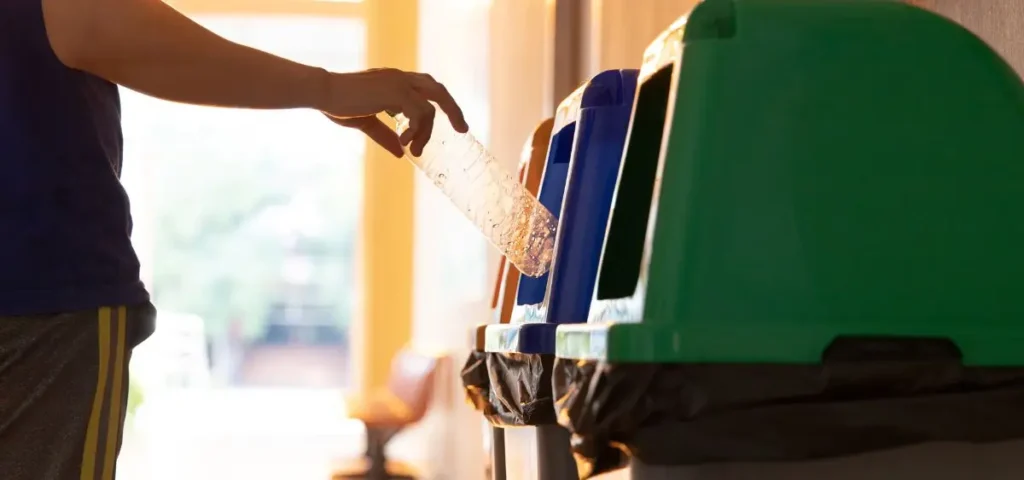
Embracing Green Living Habits and Eco-Conscious Choices
Incorporating green living habits and making eco-conscious choices can significantly impact the environment positively. Simple actions like conserving water, using public transportation, and supporting sustainable brands contribute to a healthier planet.
Everyday Sustainability: Small Steps, Big Impact
Practicing everyday sustainability involves consistent, mindful decisions:
- Composting organic waste to enrich soil and reduce landfill use.
- Using energy-efficient lighting and appliances.
- Choosing products made from recyclable materials.
These actions, though small individually, collectively lead to substantial environmental benefits.
Also, read: What Is the Dead Sea and Why Doesn’t Anything Live in It?
Reuse Ideas for Household Items
Innovative reuse ideas for household items include:
- Transforming old t-shirts into cleaning rags.
- Using glass jars as planters or storage containers.
- Repurposing wooden pallets into furniture or garden beds.
Such practices not only reduce waste but also encourage creativity and resourcefulness.
How to Go Green?
Learning how to go green involves adopting habits that prioritize environmental health:
- Reducing energy consumption by turning off unused electronics.
- Supporting local and sustainable food sources.
- Engaging in community clean-up and tree-planting events.
These save the planet tips empower individuals to contribute to a more sustainable future.
Also, read: Zero Waste Challenge: Small Changes, Big Impact
Conclusion
The principles of Reduce, Reuse, Recycle are more than just guidelines—they are a call to action. By integrating these practices into our daily lives, we take meaningful steps toward environmental conservation and sustainability. Every small effort counts, and together, we can make a significant difference.
Also, read: Nature’s Light Show: The Truth About Auroras Revealed!
FAQs
1. What are some common items I can reuse?
Some reusable items include:
- Glass jars and containers
- Cloth grocery bags
- Old clothes as cleaning rags
- Cardboard boxes for storage or crafts
2. What are recyclable materials?
Recyclable materials include:
- Metals like aluminum and steel
- Paper products like newspapers and cardboard
- Glass bottles and jars
- Certain plastics (usually marked with a recycling symbol and number)
3. How does recycling help the environment?
Recycling reduces the need to extract, refine, and process raw materials—all of which cause air and water pollution. It also saves energy and helps fight climate change by lowering carbon emissions.
4. How can schools promote “Reduce, Reuse, Recycle”?
Schools can promote the 3Rs by:
- Setting up recycling bins in classrooms
- Organizing awareness programs and eco-clubs
- Encouraging students to bring reusable lunchboxes and bottles
- Using digital tools to reduce paper use
5. Can all plastics be recycled?
No, not all plastics are recyclable. Some are too complex or contaminated for recycling. Always check the recycling number on plastic items and follow local recycling guidelines.
6. What are easy reuse ideas for kids?
Some fun and easy reuse ideas for kids include:
- Turning old socks into puppets
- Using cereal boxes for craft projects
- Reusing paper for drawing or origami
- Making planters from used plastic bottles