Think about a world where heatwaves last longer, storms get stronger, and floods happen more often. Farmlands dry up, animals struggle to survive, and cities face rising waters. This is not a story from a movie—it is real and happening right now! climate change is affecting our daily lives, from our health to the economy. But are we paying enough attention? Keep reading to learn how climate change is changing our world and what we can do to stop it before it’s too late!
Also, read: The Incredible Benefits of Gardening for Just One Hour a Day
Impact on Weather
Climate change accelerates the water cycle, leading to more extreme weather events. Warmer temperatures cause increased evaporation, resulting in severe droughts in some regions and intense rainfall in others. This imbalance contributes to destructive storms, floods, and prolonged dry spells. For instance, recent hurricanes have destroyed communities, highlighting the urgent need for climate resilience investments.
The Earth’s average temperature has already increased by 1.1 degrees Celsius (1.9 degrees Fahrenheit) compared to 250 years ago, before the industrial era, according to the Intergovernmental Panel on Climate Change (IPCC). If we don’t address the main causes of climate change, such as burning fossil fuels like coal, oil, and gas, scientists warn that global temperatures could rise by as much as 4 degrees Celsius (7.2 degrees Fahrenheit) by the year 2100.
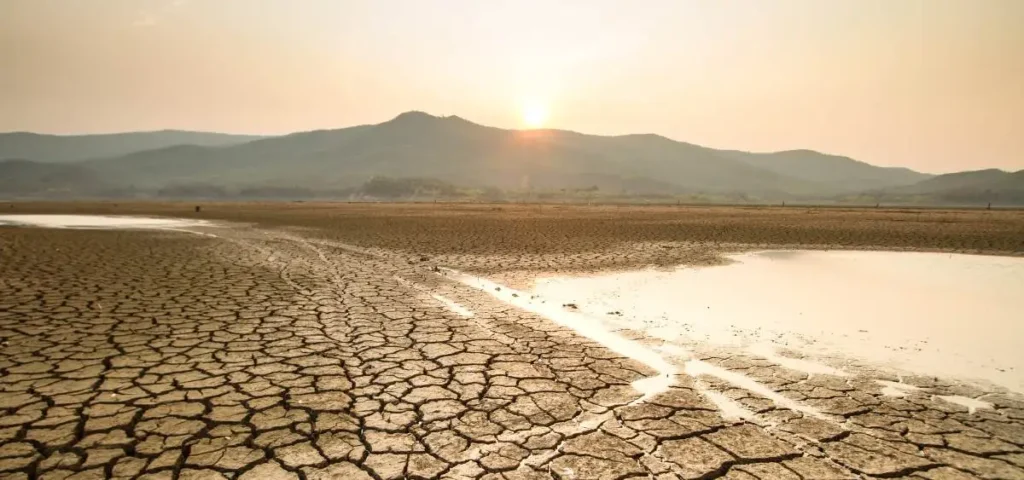
1. Hotter Summers and Dangerous Heat Waves
Summers are becoming hotter, with more frequent and intense heat waves. Local weather reports are increasingly linking these record-breaking hot days to long-term climate trends. This is a major issue in places where buildings and infrastructure aren’t designed to handle extreme heat. Heat waves are not just uncomfortable—they are the top cause of weather-related deaths in the United States.
2. More Severe Droughts
Higher temperatures cause water to evaporate faster, resulting in longer and more intense droughts. In the American West, climate change has triggered a “megadrought”—the driest 22-year period in at least 1,200 years. This has reduced water supplies for drinking, harmed crops, and made forests more vulnerable to pests. Droughts also create a cycle where dry soil and fewer plants lead to even faster water loss.
3. Larger and More Dangerous Wildfires
Hotter and drier conditions are fueling more intense wildfire seasons. Fires now spread faster, burn longer, and threaten more lives and homes. In the western United States, the number of large wildfires doubled between 1984 and 2015. In California, the area burned by wildfires has grown by 500 percent from 1972 to 2018.
4. Stronger and Wetter Storms
Warmer air can hold more water, making tropical storms and hurricanes more powerful and wetter. These storms are also more likely to intensify quickly. The IPCC’s latest report states that for every 1 degree Celsius of global warming, rainfall during extreme weather events increases by about 7 percent, raising the risk of floods. The number of severe Category 4 and 5 hurricanes is also expected to rise. For example, in 2017, Hurricane Harvey, a Category 4 storm, brought 275 trillion pounds of rain to Houston, causing widespread flooding and dozens of deaths.
Also, read: Cigarette Butts to Adorable Creation? This Innovation Is Genius!
Impact on Health
The latest Report of Intergovernmental Panel on Climate’s Change (IPCC) Sixth Assessment Report (AR6) warns that the effects of climate changes are happing faster than expected and also getting worse day-by-day. The report shows that 3.6 billion people already live in places that are badly affected by climate change. Poorer countries and small island nations, even though they produce very little pollution, suffer the most.
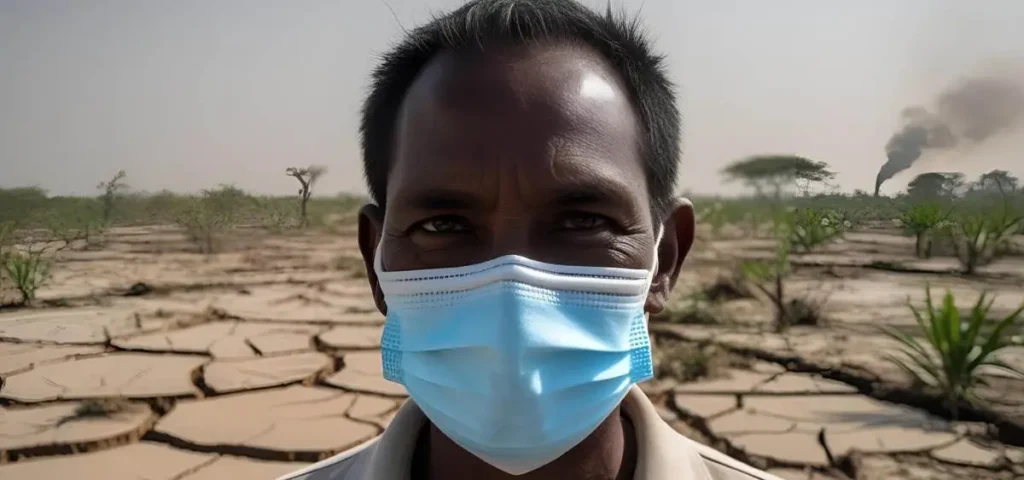
In these high-risk areas, deaths from extreme weather were 15 times higher in the last 10 years compared to safer regions. Rising global temperatures have led to an increase in heatwaves, posing significant health risks. Prolonged exposure to extreme heat can result in heat exhaustion, heatstroke, and intensify existing health conditions.
The World Health Organization (WHO) reports that climate change is directly contributing to humanitarian emergencies from heatwaves, wildfires, floods, tropical storms, and hurricanes, which are increasing in scale, frequency, and intensity. Additionally, changing climate patterns are expanding the reach of vector-borne diseases like malaria and dengue fever, putting more populations at risk.
Recent studies show that human-caused climate change is responsible for 37% of heat-related deaths. In the past 20 years, heat-related deaths among people over 65 have increased by 70%.
Also, read: From Plastic to Purpose: A Thoughtful List of Sustainable Swaps
Impact on the Environment
The environmental consequences of climate change are alarming. Melting polar ice caps contribute to rising sea levels, threatening coastal ecosystems and human settlements. Ocean acidification, resulting from increased carbon dioxide absorption, endangers marine life and coral reefs. Climate change is disrupting ecosystems worldwide, with even small temperature shifts causing widespread effects on food chains and environments.
1. Melting Ice
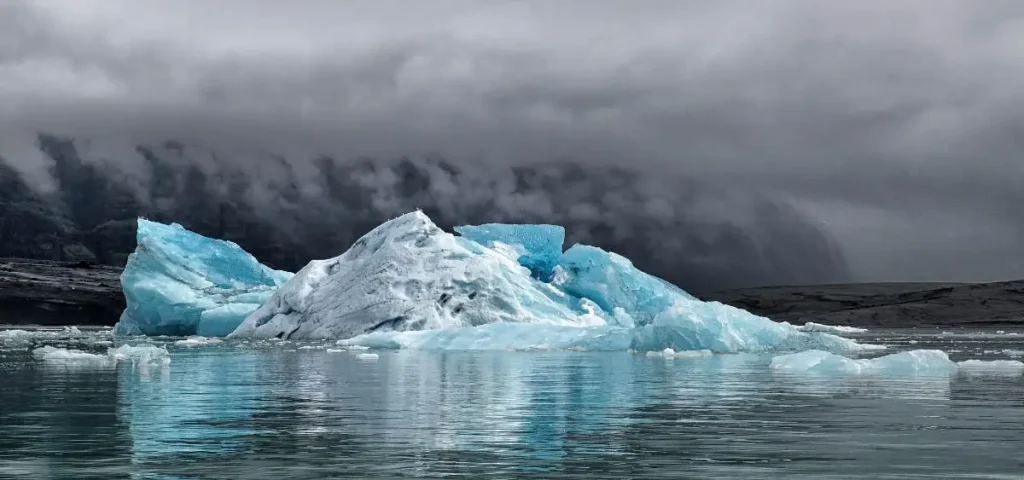
The Arctic is warming twice as fast as the global average, losing 13% of its sea ice per decade since the 1970s (NSIDC). This exposes darker waters, accelerating melting. By 2040, the Arctic may be ice-free in summer. In Iceland, Jökulsárlón lagoon is expanding due to glacial retreat.
2. Rising Sea Levels
Melting ice and expanding warmer water could raise sea levels by 6.6 feet by 2100 if emissions aren’t reduced. A 1-foot rise by 2050 (National Ocean Service) will damage U.S. infrastructure like roads and power plants. Saltwater intrusion threatens freshwater in places like Bangladesh, where 25% of land is less than 7 feet above sea level.
3. Flooding
Climate change intensifies rainfall and snowmelt, expanding U.S. floodplains by 45% by 2100. In 2022, Pakistan’s floods, driven by heavy rains and melting glaciers, submerged one-third of the country.
4. Ocean Changes
Oceans absorb 93% of heat trapped by greenhouse gases and 30% of CO₂ emissions, warming by 0.11°C per decade since 1971 (IPCC). Marine heatwaves, up by over a third, cause die-offs of plankton and marine mammals. Ocean acidification disrupts shell formation in corals and shellfish.
5. Ecosystem Stress
Rising temperatures increase pests, invasive species, and diseases in forests, altering vegetation and wildlife cycles. Ecosystems are nearing their adaptability limits, risking destabilization, especially for keystone species.
Also, read: Turning Storm-Damaged Wood into Music and Hope – VAIA Cube
Impact on Agriculture
Agriculture depends upon the variability of climate. Changes in temperature and precipitation patterns affect crop yields, livestock health, and fisheries. Droughts and water scarcity harm crops, while extreme weather events can destroy entire harvests. For example- In Uganda’s Mbale district, plastic pollution worsened by climate change is effecting farmland, raising concerns about food safety and security.
1. Unpredictable Farming Challenges
Changing weather patterns cause heavy rainfall, floods, droughts and hurricane, making farming more difficult. In 2022, a heatwave in Kansas killed thousands of cows, showing how rising temperatures affect livestock. Pests and diseases are also spreading in new ways, making it harder for small farmers to survive.
A single storm can wipe out an entire season’s crops, leaving farmers struggling to recover. While sustainable farming methods like regenerative agriculture can help, many rural communities lack the resources to adopt them.
2. Declining Soil Quality
Extreme heat and shifting rainfall patterns due to climate change weakens soil health, reducing its moisture and nutrient content. This harms the soil’s ecosystem of tiny bugs, bacteria, and fungi that helps in growth of crops. Large scale farming that relies on chemicals, worsens these effects, leaving soil and crops more vulnerable to environmental stressors.
3. Threats to Global Food Security
These agricultural disruptions directly endanger the global food supply, driving shortages and price increases. Wealthier countries can better navigate these challenges, but billions—already facing moderate to severe food insecurity—risk deeper hunger, intensifying existing inequalities in access to food.
Impacts on Animals
Climate change doesn’t just harm polar bears—it puts many animals at risk. In rich wildlife areas like the Amazon and Galapagos, half of all species could face extinction. Already stressed by habitat loss and exploitation, many animals face extinction as rising temperatures, shrinking ice, and coral bleaching destroyed their homes.
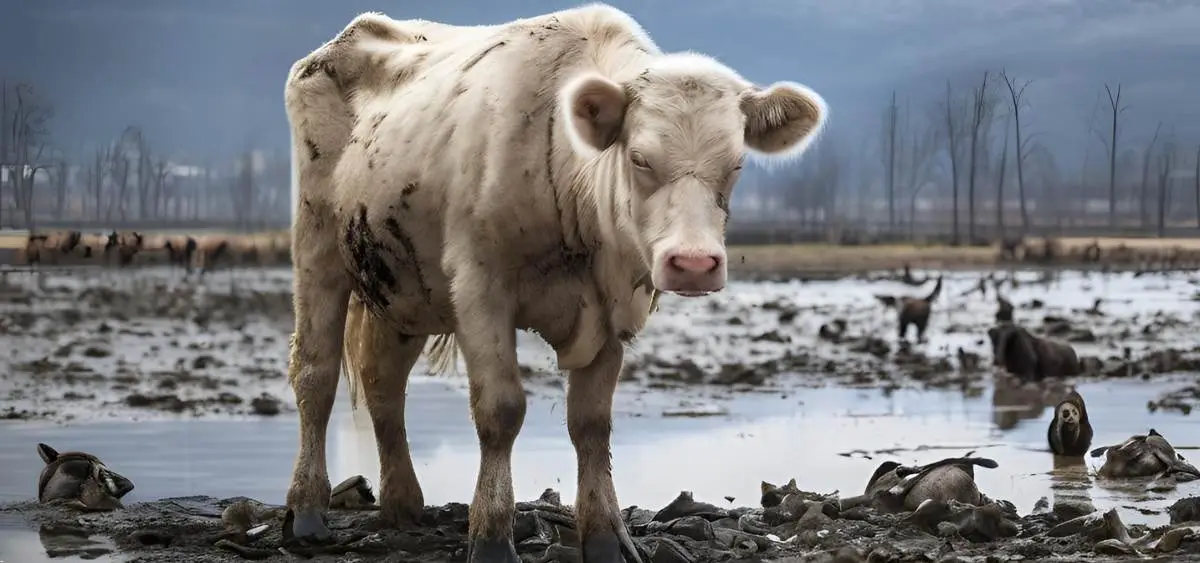
Shifting seasons also throw off migration, feeding, and breeding patterns, rippling through food chains. For example, disappearing Midwest wetlands hit migratory birds hard, while coastal habitats erode under rising seas.
Also, read: What Is the Dead Sea and Why Doesn’t Anything Live in It?
Impacts on Humans
Climate change is changing the way people live by altering weather, ecosystems, and agriculture. It worsens air quality with wildfire smoke and ozone, heightens disease risks like malaria, and fuels extreme weather—killing thousands in 2022 heatwaves and floods. Mental health is also affected by this. A 2021 study found that 45% of young people feel anxious about it, affecting their daily lives.
Poorer countries, even though they contribute less to the problem, suffer the most. Many people are being forced to leave their homes, leading to conflicts over resources.
The financial impact is also huge. In the U.S., weather disasters caused $145 billion in damage in 2021. If nothing is done, climate-related costs could rise to $500 billion per year, putting industries and public health at risk.
Also, read: Renewable Energy: Powering a Sustainable Future
Conclusion
The impact of climate change is profound and multifaceted, affecting health, weather patterns, the environment, agriculture, and the livelihoods of both humans and animals. Addressing this global crisis requires immediate and concerted efforts in mitigation and adaptation strategies to safeguard our planet for future generations.
FAQs: Impact of Climate Change
1. What is Ocean Acidification, and How is it linked to climate change?
The ocean absorbs carbon dioxide, making the water more acidic. This harms marine life like corals, shellfish, and fish, disrupting the ocean’s ecosystem and affecting people who depend on seafood.
2. What are the economic Impact of Climate Change?
Climate-related disasters like storms, floods, and droughts cost billions in damages. Businesses, agriculture, and infrastructure suffer, while governments spend more on recovery and adaptation.
3. Can climate change increase natural disasters?
Yes, climate change intensifies hurricanes, wildfires, droughts, and floods. Warmer temperatures lead to stronger storms, while drier conditions increase wildfire risks.
4. How can individuals help reduce climate change?
People can help by saving energy, using public transport, reducing waste, planting trees, supporting sustainable products, and spreading awareness about climate action.
5. What is being done to fight climate change?
Countries are adopting renewable energy, reducing carbon emissions, and promoting sustainable practices. Agreements like the Paris Climate Accord aim to limit global temperature rise.