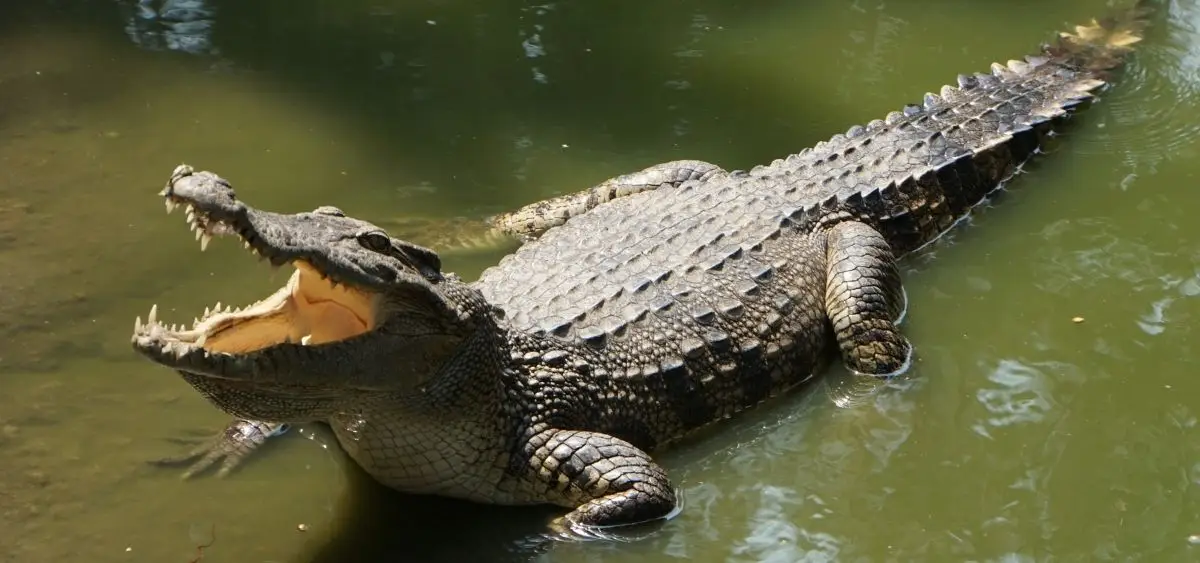

Every year on June 17, wildlife lovers across the globe unite to celebrate World Croc Day, a powerful reminder of the critical need to protect one of nature’s most ancient and awe-inspiring reptiles: the crocodile. This Wildlife Protection Day is more than a celebration, it’s a call to action for crocodile conservation, habitat protection, and raising awareness about the threats facing these magnificent creatures.
Also, read: World Otter Day: How We Can Help These Cute Creatures
What is World Croc Day?
World Crocodile Day, often known as World Croc Day, is celebrated every year on June 17 to highlight the importance of crocodile conservation and spread awareness about the challenges these ancient reptiles face across the world.
The initiative was started in 2017 by the Crocodile Research Coalition in partnership with the Belize Zoo to inspire global action toward protecting crocodiles and their natural habitats.
Since then, the day has become an important occasion for wildlife experts, conservation groups, zoos, researchers, and governments to educate people about crocodiles, protect wetlands and river ecosystems, reduce conflicts between humans and wildlife, fight illegal wildlife trade, and encourage peaceful coexistence with nature.
Why Crocodiles Matter in the Ecosystem
Crocodiles have ruled wetlands and rivers for over 200 million years, surviving mass extinctions and climate changes. But their role in the ecosystem goes beyond survival:
- Apex predators like the Nile crocodile regulate prey populations, maintaining a balanced food chain.
- Their nesting and movement patterns help shape wetland habitats, creating vital micro-environments for birds, fish, and mammals.
- As ecosystem engineers, crocodiles contribute directly to wetland conservation and biodiversity health.
This makes International Croc Day a crucial event for reptile conservation awareness.
Also, read: World Ocean Day: Celebrating the Blue Heart of Earth
Major Threats Facing Crocodiles Today
1. Biggest Threats Facing Crocodiles Today
Although crocodile populations have improved in some parts of the world due to conservation efforts, these ancient reptiles still face several serious threats. Human activities and environmental changes continue to put many crocodile species at risk, especially in regions where natural habitats are shrinking rapidly.
2. Habitat Loss
One of the biggest dangers to crocodiles is the destruction of their natural habitats. Wetlands, rivers, mangrove forests, and marshlands are disappearing because of rapid urban development, deforestation, sand mining, dam construction, and industrial pollution. As these ecosystems are damaged, crocodiles lose safe areas for nesting, hunting, and breeding. Polluted water bodies also affect their food sources and overall survival. Without healthy habitats, crocodile populations struggle to grow and maintain ecological balance.
3. Illegal Hunting and Wildlife Trade
Despite wildlife protection laws in many countries, illegal hunting remains a major issue. Crocodiles are often targeted for their skin, which is used in luxury fashion products such as bags, belts, and shoes. In some areas, they are also hunted for meat or used in traditional medicine practices. The illegal wildlife trade continues to threaten several crocodile species around the world, pushing some closer to extinction.
4. Human-Crocodile Conflict
As human populations expand into wetland and river regions, encounters between people and crocodiles are becoming more common. Fishermen, farmers, and local communities living near crocodile habitats sometimes face attacks, creating fear among residents. In response, crocodiles are often killed in retaliation. This growing conflict has become a serious concern in regions such as Odisha and the Sundarbans, where humans and crocodiles increasingly share the same environment.
5. Climate Change
Climate change is creating new challenges for crocodile survival. Rising temperatures, changing rainfall patterns, and extreme weather events are affecting crocodile nesting and breeding cycles. Scientists are particularly concerned because the sex of crocodile hatchlings depends on nest temperature. Even small temperature changes can disturb the natural balance between male and female offspring, which may affect future populations. In addition, floods and coastal erosion caused by climate change can destroy nesting areas and reduce habitat availability.
Also, read: (11 June) International Lynx Day: Protecting the Silent Hunters
Fascinating Facts About Crocodiles
Let’s lighten things up with some World Crocodile Day facts that’ll make you appreciate these reptiles even more:
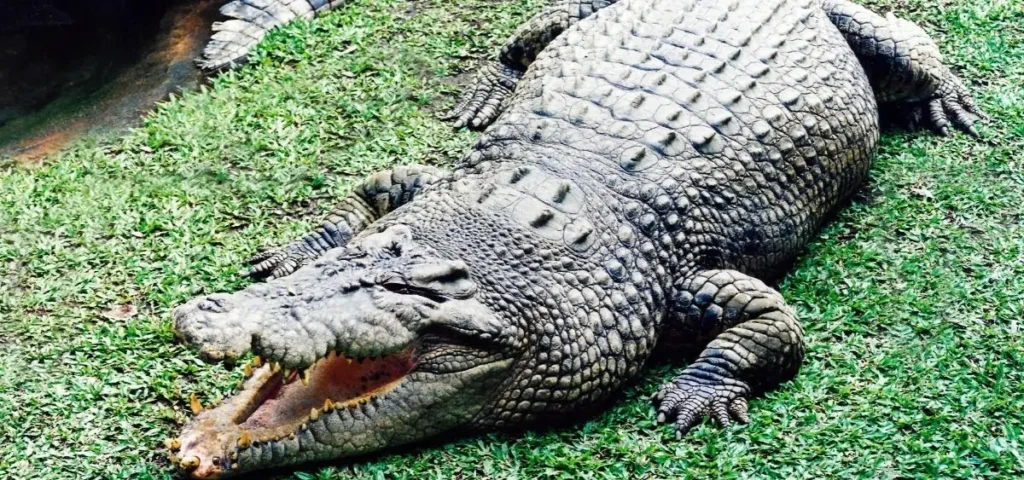
- Size matters: The saltwater crocodile, the largest living reptile, can grow over seven meters long and weigh up to 1,000 kilograms. Meanwhile, the dwarf crocodile, found in West Africa’s rainforests, rarely exceeds two meters.
- Toothy grins: Saltwater crocodiles replace their teeth every three to six months, ensuring they’re always ready to hunt.
- Protective moms: Crocodile mothers fiercely guard their eggs and young. When baby crocodiles call out in distress, mom comes running fast!
- Unique traits: Gharials, a critically endangered species in India, have long, thin snouts perfect for catching fish. Males develop a bulbous nasal growth called a “ghara,” making them easy to spot.
These facts show why crocodiles are so remarkable. Croc Day significance lies in celebrating their uniqueness while rallying for their survival.
Also, read: National Cougar Day: Discover, Understand, and Stand with Cougars
World Croc Day 2026: How to Get Involved
World Croc Day 2026 is a call to action. Here are some ways you can join crocodile awareness programs and make a difference:
- Learn and Share: Educate yourself about crocodiles through books, documentaries, or zoo visits. Share what you learn on social media to spread crocodile education campaigns. A simple post can inspire others to care.
- Support Conservation: Donate to organizations working on reptile conservation. Adopting a crocodile through a conservation program provides funds for habitat protection and research. You’ll even get updates on “your” crocodile!
- Volunteer: Join wildlife groups for fieldwork or citizen science projects. Your efforts can help collect data or restore habitats.
- Reduce Pollution: Small actions, like cutting down on plastic waste, protect the rivers and wetlands crocodiles call home.
- Advocate: Push for stronger laws against poaching and habitat destruction. In Australia, campaigns aim to end the cruel crocodile skin trade. Your voice can amplify these efforts.
These World Croc Day activities show that everyone can play a part in saving the crocodiles. Whether you’re in India, where the Crocodile Conservation Project marks its 50th year, or elsewhere, your actions matter.
Also, read: World Sea Turtle Day: Protect the Ocean’s Gentle Swimmers!
How Crocodiles Help Humans Indirectly?
Many people see crocodiles only as dangerous predators, but they actually play an important role in supporting human life and environmental health. Crocodiles help maintain balanced wetland ecosystems, which provide benefits such as cleaner water, healthier fish populations, natural flood control, and long-term carbon storage.
These wetlands also support local livelihoods through fishing and eco-tourism activities. In coastal regions, mangrove forests where crocodiles live act as natural barriers against cyclones, strong waves, and storms, helping reduce environmental damage and protect nearby communities. By protecting crocodiles and their habitats, we are also helping preserve ecosystems that are essential for climate stability and human survival.
Global Conservation Efforts
Countries around the world are now investing in crocodile conservation.
- Major Conservation Actions Include:
- Wetland restoration
- Anti-poaching patrols
- Captive breeding programs
- Community awareness campaigns
- Scientific monitoring
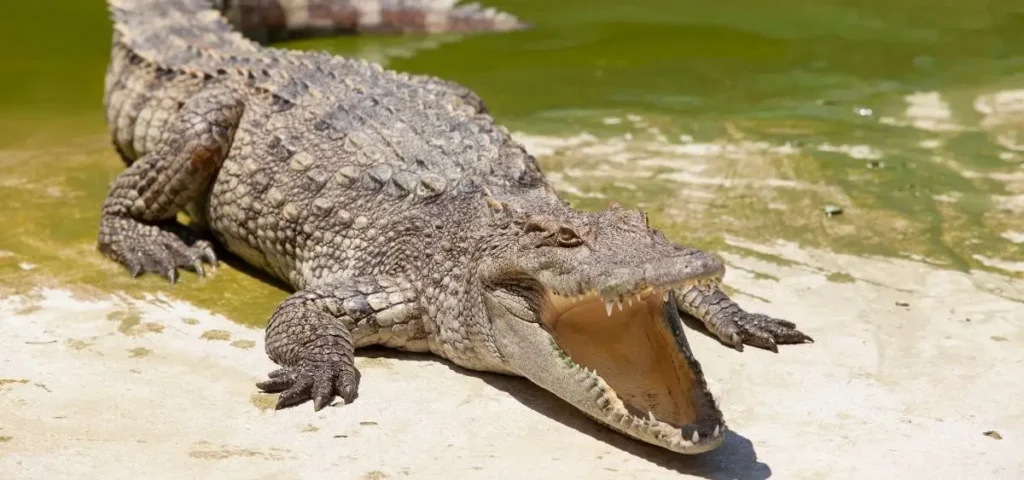
Recent discoveries, such as the finding of over 100 rare Siamese crocodile eggs in Cambodia, have given hope for species recovery.
Also, read: Endangered Species Day: From Awareness to Action
Why We Need Crocodile Awareness
Crocodile Awareness Day isn’t just about celebrating crocodiles, it’s about understanding their role in nature. Healthy crocodile populations indicate clean rivers and thriving wetlands. By protecting crocodiles, we safeguard entire ecosystems. This is why wetland conservation and crocodile education campaigns go hand in hand.
Crocodiles also face unfair stigma. Often seen as dangerous man-eaters, they’re more likely to avoid humans unless provoked or displaced. Addressing human and crocodile conflict through education and relocation programs can reduce tensions and protect both people and crocodiles.
Also, read: Ecobricks: One Bottle, One Step Toward Ending Plastic Pollution
Join the Movement
Healthy crocodile populations signal clean water systems, balanced ecosystems, and sustainable futures. By busting myths, reducing conflict, and promoting education, Crocodile Awareness Day helps restore balance to nature.
Let’s stand for the wild. Let’s protect the ancient. Let’s make World Croc Day 2026 a turning point in global wildlife conservation.
Also, read: Composting at Home: 8 Easy Ways to Turn Waste into Gold!
FAQs
1. Who started World Croc Day?
World Croc Day was launched by the Crocodile Research Coalition and the Belize Zoo to promote crocodile research, conservation, and public education.
2. How can we celebrate World Croc Day?
You can celebrate by learning about crocodiles, supporting wildlife conservation organizations, sharing facts on social media, or attending educational events.
3. What is the difference between a crocodile and an alligator?
Crocodiles have a V-shaped snout and live in saltwater and freshwater, while alligators have a U-shaped snout and mostly live in freshwater.
4. Where are crocodiles found?
Crocodiles are found in many tropical regions around the world, including Africa, Asia, Australia, and the Americas.
5. What do crocodiles eat?
They are carnivores and eat fish, birds, and other animals. Larger crocodiles can even hunt big prey like deer or buffalo.
6. How can we help protect crocodiles?
By supporting conservation programs, avoiding illegal products made from crocodile skin, and spreading awareness about the need to protect their habitats.