Hey everyone! Have you circled May 2 on your calendar yet? That’s the day people all over the world come together to celebrate World Tuna Day 2026. It’s not just another awareness day, it’s a reminder of how important tuna are to our oceans, our food, and millions of livelihoods. This day helps shine a spotlight on tuna conservation and the need for sustainable fishing so future generations can enjoy healthy seas too.
Tuna might seem like just another fish we see in cans or sushi, but they play a huge role in ocean life. Sadly, many tuna species are under serious threat because of overfishing. The good news? We still have time to change the story. Let’s dive into where World Tuna Day came from, why it matters, some fascinating tuna facts, and how we can all help protect these amazing ocean travelers.
Did You Know? Tuna are among the fastest fish in the ocean, capable of swimming up to 75 km/h, which helps them migrate across entire oceans. Some tuna species, like Bluefin, can travel thousands of kilometers, crossing the Atlantic Ocean in a single migration cycle.
The History of World Tuna Day
World Tuna Day began thanks to a strong push from the United Nations. In 2016, the UN General Assembly officially declared May 2 as World Tuna Day. The goal was simple but powerful, raise global awareness about the growing threats to tuna populations and encourage better fishing practices.
The first World Tuna Day was celebrated in 2017, and since then, it has grown bigger each year. Governments, fishing communities, scientists, and environmental groups all came together to protect tuna and ensure sustainable fisheries.
Tuna have been important to humans for thousands of years. As far back as 350 B.C., the ancient Greek philosopher Aristotle wrote about bluefin tuna. Things changed dramatically in the 19th century when motorized boats allowed fishers to travel farther and catch more fish. By the 20th century, the rising demand for canned tuna and sushi caused fishing pressure to skyrocket.
Today, in 2026, global agreements like the UN Fish Stocks Agreement help countries work together to manage tuna fisheries responsibly. World Tuna Day is part of this larger journey, from awareness to action, to keep our oceans healthy and full of life.
Why World Tuna Day Really Matters?
Tuna are incredibly important to people and the planet. They provide food for millions and support economies around the world. In fact, tuna account for over 20% of the value of all marine fisheries and more than 8% of the global seafood trade, worth around 10 billion USD every year.
For many coastal and island nations, tuna are essential for food security and jobs. Entire communities depend on tuna fishing for their daily survival. But here’s the problem, overfishing has pushed some tuna species to the brink. Bluefin tuna in the Northern Pacific, for example, have declined by more than 96% from their original population levels. That’s a shocking number.
Tuna are also top predators in the ocean. They help keep marine ecosystems balanced. When their numbers drop, it can throw the whole system out of sync. World Tuna Day reminds us that protecting tuna isn’t just about saving one species, it’s about protecting the health of the entire ocean.
Fun and Fascinating Facts About Tuna
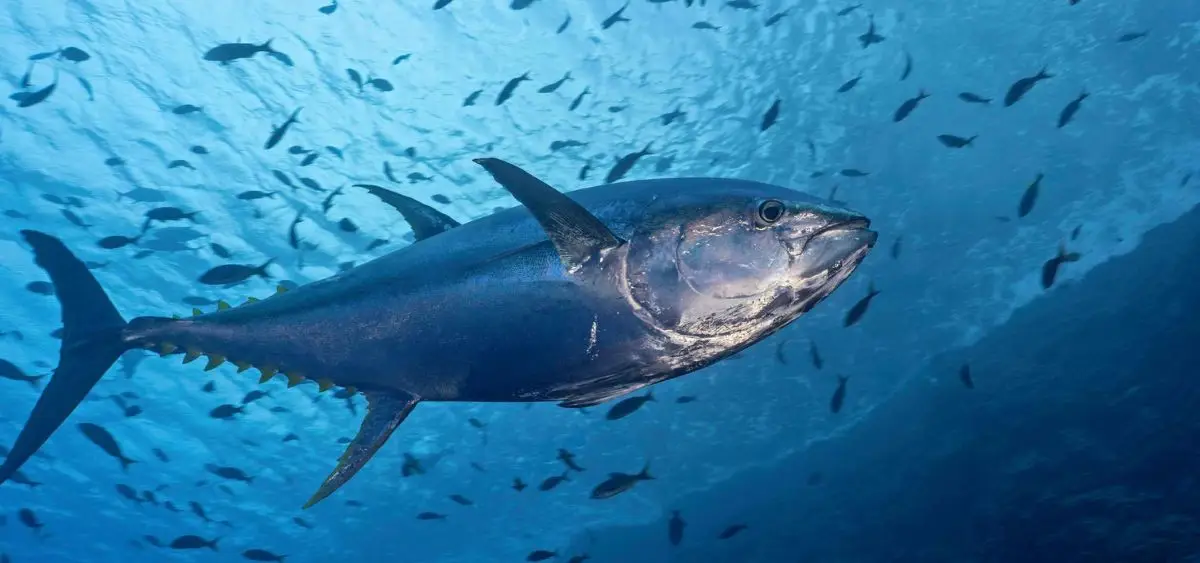
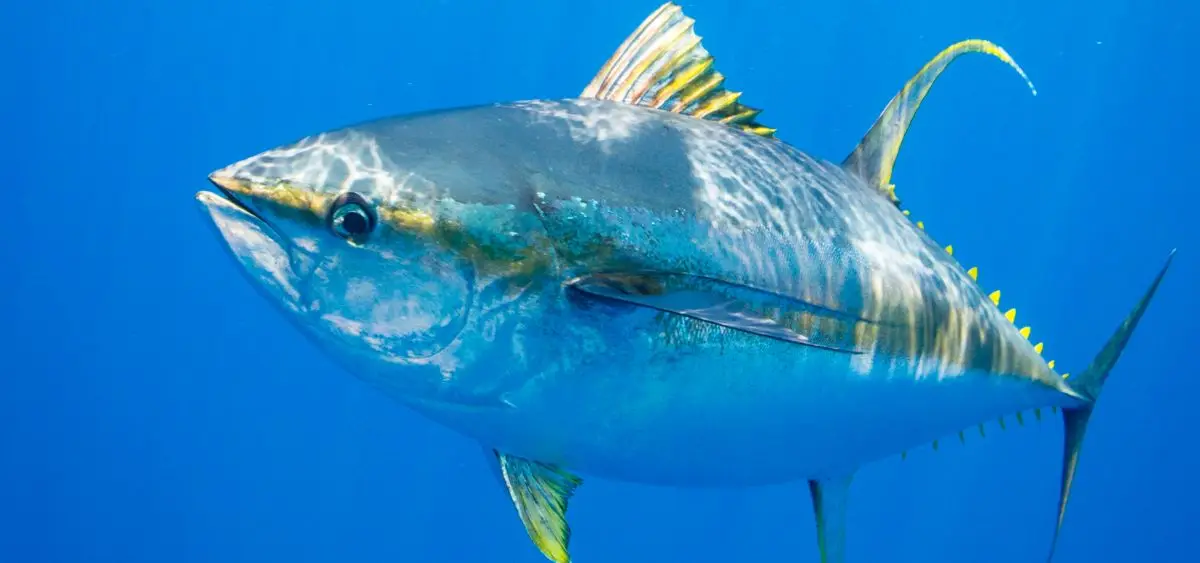
Tuna are truly ocean superheroes. Some species can swim up to 43 miles per hour, making them one of the fastest fish in the sea. That’s faster than many cars in city traffic! The largest tuna ever caught weighed a massive 1,496 pounds, almost as heavy as a small horse. There are eight main species of tuna, including albacore, yellowfin, bigeye, and bluefin.
Tuna travel huge distances across the ocean, often migrating thousands of kilometers. They’re also partially warm-blooded, which helps them survive in colder waters and gives their meat that pinkish-red color popular in sushi.
Here’s a surprising fact, tuna often swim near dolphins because dolphins scare away sharks. And yes, tuna can be incredibly valuable, one bluefin tuna once sold for $3.1 million at a Tokyo fish market! These fun facts show why tuna are so special and why they’re worth protecting.
Tuna Conservation and Sustainable Fishing
Every year, global tuna fisheries catch more than 7 million metric tons of tuna. While that supports food and jobs, too many fishing boats and poor practices can harm tuna populations.
The good news is that conservation efforts are working. Thanks to organizations like the FAO (Food and Agriculture Organization) and regional fisheries groups, many tuna stocks are recovering. Today, about 54% of the world’s tuna catch comes from certified sustainable sources, and only around 2% of tuna stocks are considered overfished.
Sustainable fishing uses smarter methods, such as selective nets that reduce harm to dolphins, turtles, and other marine life. Over 180 tuna fisheries now follow strict sustainability standards.
For World Tuna Day 2026, the message is clear, choose tuna that’s caught the right way. Supporting responsible fishing helps protect oceans and ensures tuna remain part of our lives for years to come.
How You Can Celebrate World Tuna Day 2026?
Want to get involved? It’s easier than you think. Start by choosing tuna with sustainability labels when shopping. Look for certified marks on cans and seafood packaging. Try cooking tuna from responsible sources or experiment with plant-based meals to reduce pressure on the oceans.
Share information on social media using hashtags like #WorldTunaDay to spread awareness. You can also support local fishers who use eco-friendly methods, join online events about marine conservation, or talk to friends and family about why sustainable seafood matters. Every small action adds up.
Conclusion
World Tuna Day 2026 is more than just a date, it’s a call to protect our oceans, our food systems, and future generations. By understanding the importance of tuna and making smarter choices, we can help keep our seas vibrant and full of life. So, how will you make a difference this World Tuna Day? Jump in, spread the word, and help make waves for a healthier ocean.
Also, read: This Animal Drinks Blood to Live, Say Hello to Vampire Bats!
Also, read: Is Tesla Really Sustainable? Let’s Talk Tesla Environmental Impact!
Also, read: World Civet Day 2026: History, Purpose, and Fun Facts!
Also, read: A Simple Guide to Creating Sustainable Hotels!
Also, read: The Dark Truth of Animal Cruelty Behind Factory Farming!
Also, read: How an Eco-Friendly World Energy Mix Can Drive Sustainability Goals
FAQs
What is World Tuna Day and why is it celebrated?
World Tuna Day is observed on May 2, established by the United Nations to raise awareness about the importance of tuna and the need for sustainable fishing. It highlights how tuna supports food security, economies, and marine ecosystems worldwide.
Why is tuna important for the environment?
Tuna plays a key role in maintaining ocean balance. As a top predator, it helps control fish populations and keeps marine ecosystems healthy. Without tuna, the entire ocean food chain can become unstable.
Is tuna an endangered species?
Not all tuna species are endangered, but some, like Bluefin tuna are at serious risk due to overfishing. According to the World Wildlife Fund, many tuna populations are either fully exploited or overfished.
How does overfishing affect tuna?
Overfishing reduces tuna populations faster than they can reproduce. This leads to declining numbers, disrupted ecosystems, and long-term damage to global fisheries.
What is bycatch and why is it harmful?
Bycatch refers to unwanted marine animals like dolphins, turtles, and sharks getting caught in fishing nets. It harms marine biodiversity and is a major issue in tuna fishing.