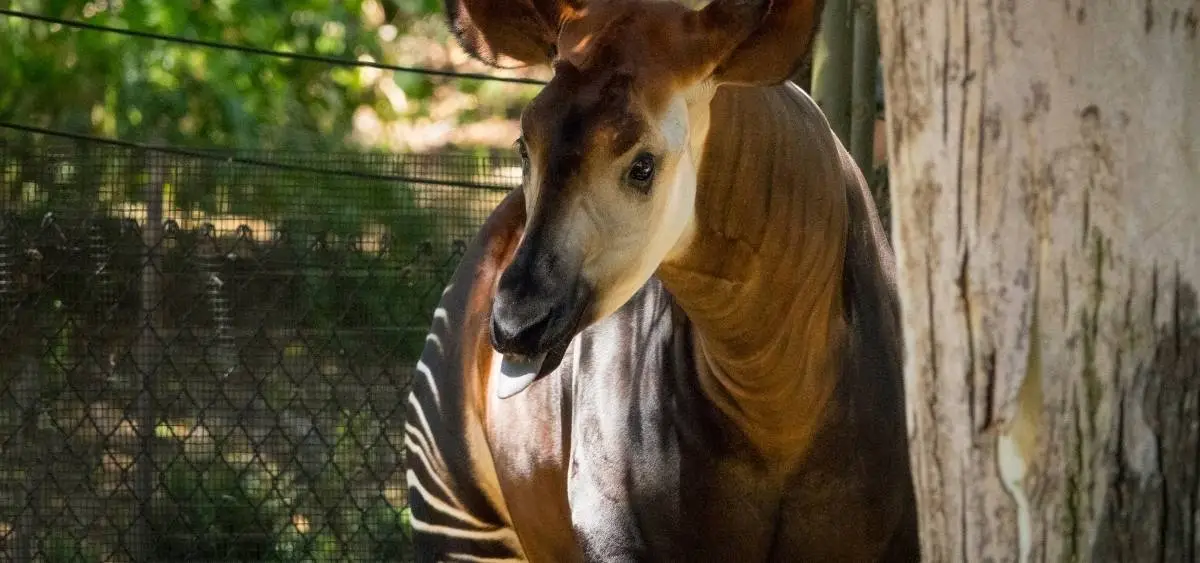

Have you ever heard of the okapi? This mysterious creature, often called the forest giraffe, captures hearts with its unique look and elusive nature. World Okapi Day, celebrated every year on October 18, shines a spotlight on this endangered species. It’s a day to learn okapi facts, support okapi conservation, and take action to protect their home. In 2025, World Okapi Day 2025 promises to be a global celebration of this remarkable animal. Let’s dive into the world of the okapi, explore why it matters, and discover how you can help save the okapi!
What Is World Okapi Day?
World Okapi Day is an annual event dedicated to raising okapi awareness. Started in 2016 by the Okapi Conservation Project, it celebrates the mysterious okapi and promotes efforts to protect it. The day brings together communities in the Democratic Republic of Congo (DRC), where okapis live, and people worldwide. From local festivals to zoo events, okapi day celebration inspires action to safeguard this endangered species okapi and its rainforest home.
On October 18, 2025, World Okapi Day 2025 will unite schools, conservation groups, and wildlife lovers. Activities include educational programs, cultural performances, and art contests, all aimed at protecting rainforest wildlife. Whether you’re in the DRC or across the globe, this day invites everyone to join the movement to protect endangered animals.
Fascinating Okapi Facts
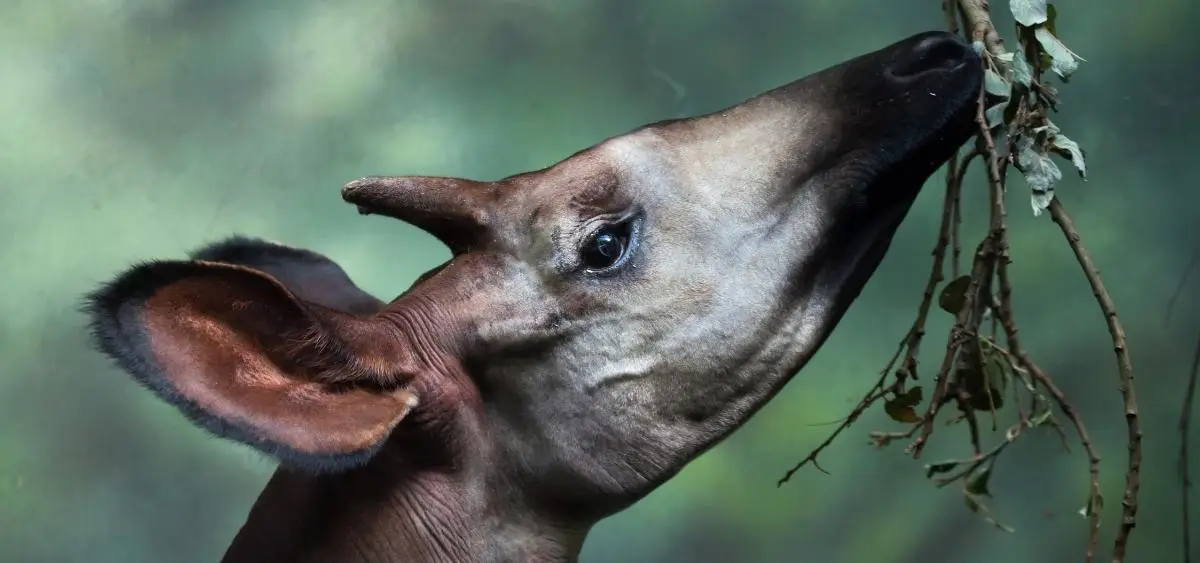
The okapi is a one-of-a-kind animal. Here are some okapi species information and fun facts to spark your curiosity:
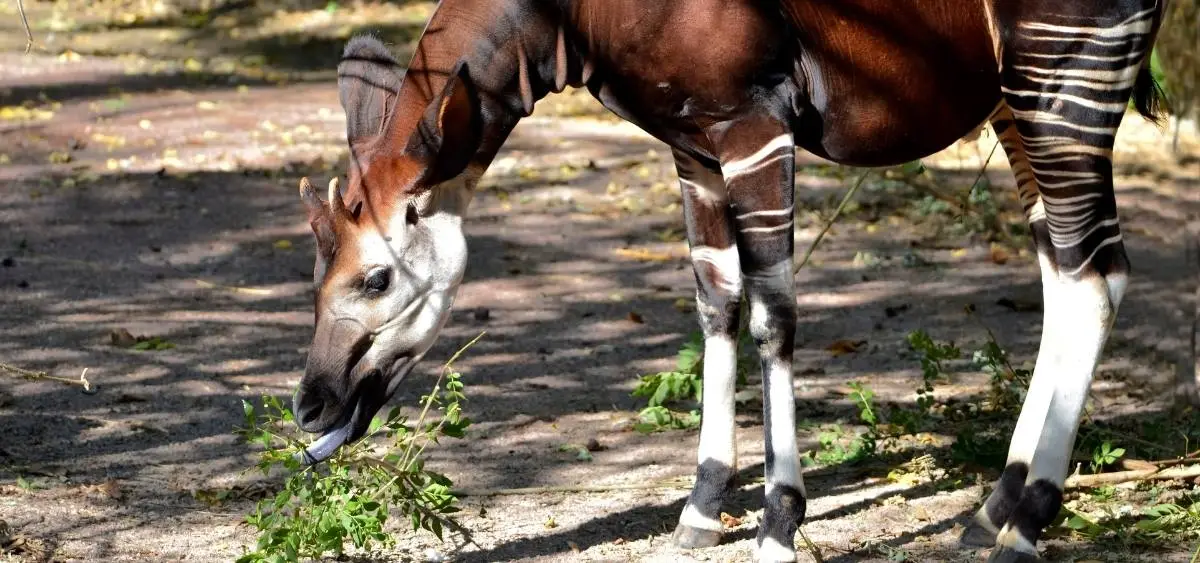
- A Giraffe’s Cousin: The okapi is the only living relative of the giraffe. Its zebra-like stripes on its legs and reddish-brown coat make it stand out. These stripes help it blend into the dappled light of the okapi habitat in the DRC’s Ituri Forest.
- Elusive and Rare: Known as the forest giraffe, the okapi was unknown to scientists until 1901. The first wild okapi photo wasn’t captured until 2008! This mysterious okapi hides so well that tracking the okapi population is tough.
- Super Tongue: Like giraffes, okapis have long tongues, up to 18 inches! They use it to clean their eyes and ears, a quirky trait that kids love learning about during okapi education events.
- Waterproof Fur: Their velvety, oily fur repels water, perfect for the rainy okapi habitat in tropical rainforests.
These okapi facts make it clear why this animal is so special. But with fewer than 10,000 okapis left in the wild (exact numbers are hard to pin down due to their elusiveness), okapi conservation is more urgent than ever.
Why Is the Okapi Endangered?
The endangered species okapi faces serious threats. Human activities like slash-and-burn agriculture, illegal gold mining, and bushmeat poaching harm the okapi habitat. The Ituri Forest, a UNESCO World Heritage Site spanning 13,700 square kilometers, is home to okapis, forest elephants, chimpanzees, and countless other species. But deforestation and mining for minerals like coltan (used in cell phones) destroy this rainforest wildlife haven.
The Okapi Wildlife Reserve, managed by the Okapi Conservation Project, fights to save the okapi. Rangers patrol the forest, remove snares, and stop poachers. Community programs teach locals about the okapi’s role as a national symbol and why wildlife protection matters. Despite these efforts, the okapi population continues to decline, making World Okapi Day a critical moment to act.
How World Okapi Day Makes a Difference
World Okapi Day isn’t just a celebration, it’s a call to action. In the DRC, communities near the Okapi Wildlife Reserve host events like:
- Educational Programs: Schools teach kids about okapi species information and the importance of rainforest wildlife.
- Cultural Events: Traditional music and dances honor the okapi and the Mbuti people’s heritage.
- Ranger Recognition: The day celebrates brave rangers who risk their lives for wildlife protection.
Globally, zoos, schools, and conservation groups join in. For example, ZooTampa at Lowry Park will host a Conservation Connections event on October 18, 2025, from 9:30 AM to 2:30 PM. Visitors can learn about okapi adaptations, test their knowledge, and collect stamps for their ZT Saves Kids’ Club notebooks. Events like these make okapi day celebration fun and educational, inspiring people to protect endangered animals.
How You Can Help Save the Okapi?
Ready to join the okapi conservation movement? Here are simple ways to get involved on World Okapi Day 2025 and beyond:
- Spread the Word: Share okapi photos and okapi videos on social media with hashtags like #WorldOkapiDay and #OkapiConservation. Tell your friends why the forest giraffe is worth saving.
- Recycle Electronics: Old cell phones contain coltan, mined from okapi forests. Recycling reduces the need for mining, protecting the okapi habitat.
- Donate: Support the Okapi Conservation Project. Every dollar funds rangers, education, and community outreach to save the okapi.
- Visit a Zoo: Many zoos, like those in North America and Europe, house okapis and support conservation. Check out their okapi day celebration events.
- Learn More: Watch an okapi documentary or read the Okapi Conservation Project’s 2024 Annual Report to understand their impact and challenges.
- Get Creative: Host a classroom project or community event to raise okapi awareness. Share your efforts at info@okapiconservation.org.
You can also grab a pair of World Okapi Day 2025 Commemorative Shoes. These limited-edition shoes feature the okapi’s stripes and vibrant Earth designs. Every purchase supports wildlife protection and okapi education in the DRC.
Why Okapi Conservation Matters?
Protecting the okapi means protecting an entire ecosystem. As a flagship species, the okapi represents the health of the Ituri Forest. Saving it helps forest elephants, leopards, and countless birds and insects. The Okapi Conservation Project works with groups like the IUCN’s Giraffe and Okapi Specialist Group and the Wildlife Conservation Society to ensure the okapi population thrives.
World Okapi Day also connects to World Wildlife Day, celebrated on March 3, which highlights global efforts to protect endangered animals. By supporting okapi conservation, you’re part of a bigger movement to preserve biodiversity.
Join the Movement
The okapi’s future depends on us. On October 18, 2025, let’s make World Okapi Day 2025 a turning point for okapi conservation. Whether you share okapi facts, recycle your phone, or donate, every action counts. Together, we can ensure the mysterious okapi roams the Ituri Forest for generations to come.
So, lace up those commemorative shoes, post those okapi photos, and spread the word. Let’s celebrate the forest giraffe and commit to wildlife protection. How will you help save the okapi this World Okapi Day? Share your plans in the comments below!
FAQ
1. What is World Okapi Day?
World Okapi Day is an annual day dedicated to raising awareness about the okapi, a rare and unique animal, and promoting efforts to protect it and its rainforest habitat.
2. When is World Okapi Day celebrated?
World Okapi Day is celebrated on October 18th every year.
3. What is an okapi?
An okapi is a forest-dwelling animal that looks like a cross between a giraffe and a zebra. It is known as the “forest giraffe” because of its long neck and striped legs.
4. Where do okapis live?
Okapis are native to the dense rainforests of the Democratic Republic of Congo in Central Africa.
5. Are okapis endangered?
Yes, okapis are classified as endangered due to habitat loss, poaching, and human activities.
6. How can we help protect okapis?
We can help by supporting wildlife conservation organizations, spreading awareness, reducing deforestation, and visiting eco-friendly wildlife sanctuaries.
7. Who started World Okapi Day?
World Okapi Day is promoted by wildlife conservation groups like the Okapi Conservation Project to protect the species and its rainforest habitat.
8. Can okapis be seen in zoos?
Yes, some zoos around the world have okapis, where they are part of captive breeding programs to help conserve the species.
9. How long do okapis live?
In the wild, okapis live around 20–30 years, while in captivity they can live slightly longer due to protection from threats.
10. Are okapis related to giraffes?
Yes, okapis are the closest living relatives of giraffes, sharing many anatomical features, including long necks and similar skull structures.
Also, read: What Dinosaur Teeth Reveal About Their Eating Habits
Also, read: Ireland Air Quality Crisis: Time to Clear the Air in Cities!
Also, read: A Nicaragua Coffee Farm Healing the Earth with Smart Farming
Also, read: Top 5 Organic Cotton T-Shirts for Women! (Soft, Stylish & Sustainable)
Also, read: Ethical Jewelry: How Your Accessories Can Make a Difference
Also, read: Ecological Footprint Explained: How Your Lifestyle Impacts the Planet