Hey nature lovers! Imagine evenings without the sound of frogs around ponds and lakes. It feels a bit empty, right? Frogs may be small, but they play a big role in keeping our planet healthy. That’s why we celebrate World Frog Day every year on March 20.
In 2026, it falls on a Friday, making it a great way to start the weekend by learning something meaningful. World Frog Day 2026 encourages us to understand these hopping heroes, the problems they face, and how we can help protect them. So let’s jump in and explore their story, some amazing facts, and why frogs truly deserve our care and protection.
Story behind World Frog Day
World Frog Day began in 2014 when people started noticing that frog populations were disappearing fast. There wasn’t one single founder. It grew out of a shared concern for frogs and the challenges they face around the world. This day reminds us to pay attention to amphibians and take action before more species are lost. Over time, it has become a global reminder that even small efforts can make a big difference for nature and biodiversity.
Frogs have been around for more than 200 million years and even lived alongside dinosaurs. Some of the oldest frog fossils date back to about 256 million years ago. Today, World Frog Day brings together scientists, families, and communities to talk about frogs, share ideas, and find solutions. It also connects with movements like Save the Frogs, which focus on protecting habitats and spreading awareness. As World Frog Day (20 March) 2026 approaches, people around the world will come together to explore new ways to protect amphibians and support eco-friendly living.
Amazing Facts About Frog Species
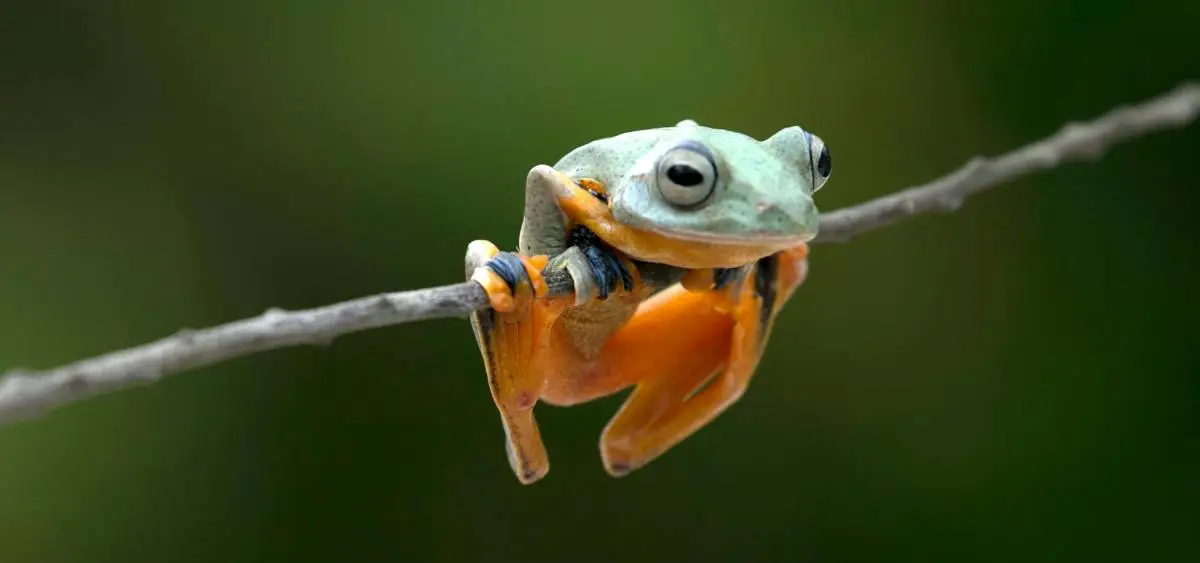
Frogs are truly fascinating creatures. Did you know there are over 6,000 frog species around the world? Some are super tiny, like the Cuban tree toad that’s barely half an inch long, while others are huge, like the Goliath frog that can grow up to 15 inches and weigh as much as 7 pounds.
Frogs aren’t just green either. Many come in bright reds, blues, and yellows. These bold colors warn predators that their skin is toxic. In fact, the golden poison frog has enough venom to kill up to 10 adult humans.
Some frogs can even glide from tree to tree using their webbed feet, like the flying tree frog found in Costa Rica. Others survive in extreme conditions. The wood frog can freeze during winter, with most of its body turning to ice, and still come back to life in spring. The Australian water-holding frog survives droughts by burying itself underground and waiting for rain for years.
Frogs drink water through their skin, jump up to 20 times their body length, and even use their eyes to help swallow food. These facts show just how strange, strong, and adaptable frogs really are. It’s no surprise that Brazil has the highest number of frog and amphibian species in the world.
Importance of Frogs in our Ecosystem
Frogs play an important role in keeping nature balanced. They help control insect numbers by eating pests that can harm farms and forests. Frogs are also part of the food chain, birds, snakes, and fish eat them, while frogs feed on mosquitoes and flies. This balance helps keep wetlands, rivers, and forests healthy.
Frogs are also nature’s warning signs. Their soft skin easily absorbs water and air, so they are very sensitive to pollution. When frogs start disappearing, it often means the environment is in trouble. Frogs help recycle nutrients and have even helped scientists create new medicines from their skin. In rainforests and other rich habitats, they support overall ecosystem health. Protecting frogs means protecting clean water, healthy land, and many other living species too.
The Growing Threats Facing Frogs
Sadly, frogs are in trouble today. Forests are being cut down, cities are expanding, and frogs are losing their homes. Dirty water and pollution enter ponds and lakes, harming frogs because their skin is very sensitive. On top of this, a deadly disease called chytrid fungus (Chytridiomycosis) has spread across the world, making it hard for frogs to absorb water and nutrients.
Climate change is making things worse. Hotter temperatures disturb breeding seasons and dry up wetlands. Since 2004, climate change has caused about 39% of amphibian population declines. Nearly 41% of amphibians are now threatened with extinction, making them the most endangered group of animals on Earth. More than 120 frog species have disappeared since the 1980s, and many more may already be gone. Human activities like pesticide use, pollution, and overcollection continue to add pressure. Overall, frog numbers have been falling sharply since the 1950s.
How We Can Protect Frogs and How You Can Help?
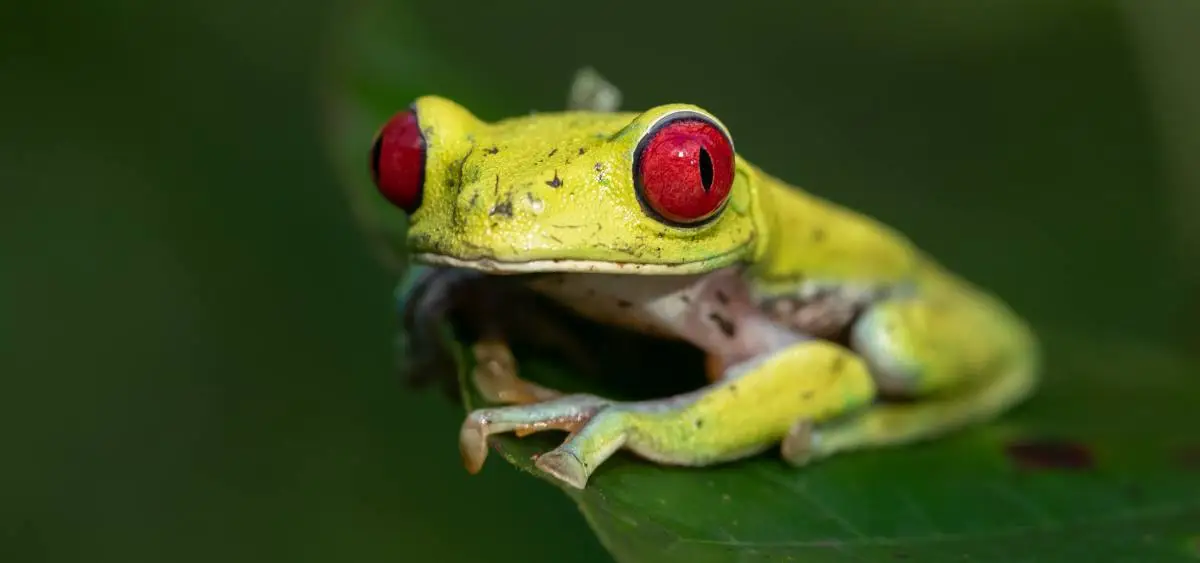
There is still hope. Frog conservation efforts are growing around the world. Organizations are working to protect habitats, study diseases, and run breeding programs to save endangered species. Events like Save the Frogs Day on April 28, 2026 bring people together for clean-up drives, awareness campaigns, and education.
You can help too. Choose eco-friendly habits, like avoiding chemical pesticides in your garden. If possible, create a small pond with native plants to give frogs a safe place to live. Share frog facts online or organize a small event for World Frog Day 2026. Support wildlife conservation groups that protect wetlands and restore habitats. Even simple actions, like reducing plastic waste, make a difference.
Conclusion
World Frog Day reminds us that frogs and nature are closely connected. Frogs warn us when the environment is in danger. As March 20, 2026 approaches, let’s turn awareness into action. Whether you’re learning about frog species or speaking up for nature, every small step matters. So, how will you celebrate World Frog Day?
Also, read: The Power of “Reduce, Reuse, Recycle”: Making Every Resource Count
Also, read: The Glitter That Costs Childhoods: Dark Truth of Mica Mining
Also, read: Water Disappearing Without a Trace? Blame Evapotranspiration!
Also, read: The Impact of War on Environment: Damage to Land, Water, and Wildlife
Also, read: Green Travel Tips: See the World Without Harming It
Also, read: This Startup is Turning Textile Trash into Sustainable Treasure- meet FABBRICKS