Have you ever thought about what would happen if the soft buzzing sound in your garden suddenly disappeared? That gentle hum is more important than we realize. Bees do much more than make honey. They help grow the food we eat and keep nature balanced. As World Bee Day 2026 approaches on 20 May, it’s the perfect time to stop, learn, and take action. This special day reminds people around the world why bees are important and how each of us can help protect them.
The History of World Bee Day
World Bee Day began in Slovenia, a small European country known for its strong beekeeping tradition. In 2014, the Slovenian Beekeepers’ Association started a campaign to protect bees and other pollinators. The idea quickly gained support from the government and from Apimondia, the international federation of beekeepers.
After years of effort, the proposal reached the United Nations General Assembly. In December 2017, with support from 115 countries, 20 May was officially declared World Bee Day.
The date was chosen to honor Anton Janša, an 18th-century pioneer of modern beekeeping. He believed bees should be treated with care and respect. Today, his message continues around the world. Every year on 20 May, people from cities, villages, and farms celebrate bees and remember that protecting them means protecting our future.
Why Bees Are So Important?
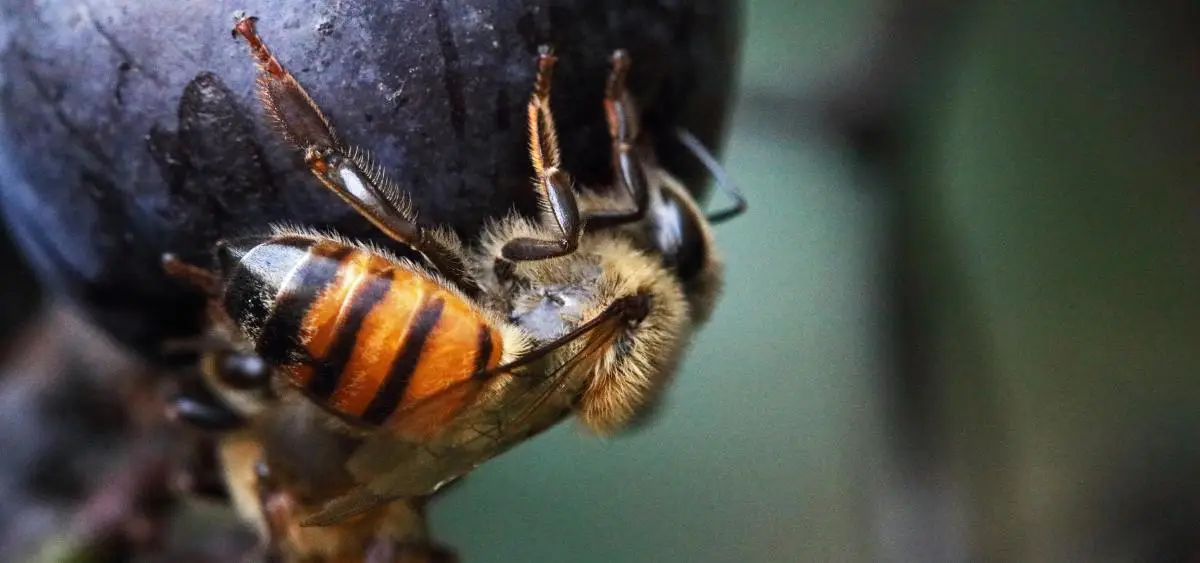
Bees may be small, but their role is huge. They pollinate nearly 90% of the world’s wild flowering plants and more than 75% of the crops we eat. Foods like almonds, apples, blueberries, coffee, and chocolate all depend on pollination.
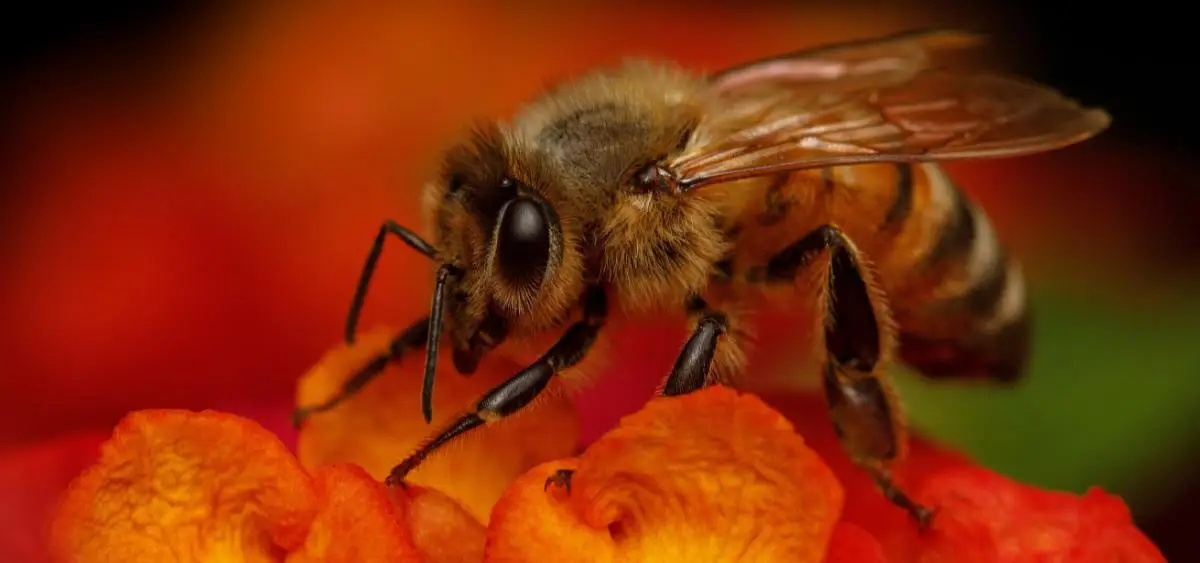
Pollination happens when a bee lands on a flower to collect nectar. Pollen sticks to its fuzzy body. When the bee visits the next flower, it transfers that pollen. This simple act allows plants to produce fruits and seeds.
Without bees, many crops would produce less food. Prices would rise, and some foods might become rare. Bees also help maintain biodiversity, support wildlife, and keep ecosystems strong. They even help farmers earn a living through honey, wax, and other hive products. In short, bees connect nature to our daily meals.
The Problem: Bee Population Decline
In recent years, bee populations have been falling at an alarming rate. For example, in the United States, beekeepers reported record colony losses during the 2024–2025 season. Managed honey bee colonies dropped by more than half in one year. Commercial beekeeping operations were especially affected. There are several reasons for this decline:
- Heavy use of pesticides
- Loss of natural habitats
- Diseases and parasites like varroa mites (varroa destructor)
- Climate change
- Extreme weather conditions
When bees suffer, the effects spread quickly. Farmers must pay more to pollinate crops. Food supply becomes unstable. Consumers may see higher prices in stores. The decline of bees is not just an environmental issue, it is a food security issue.
Climate Change and Bees
Climate change adds another layer of difficulty for bees. Rising temperatures can cause flowers to bloom earlier or later than usual. If bees and flowers are not in sync, pollination becomes harder.
Droughts reduce water and nectar sources. Floods can destroy nests. Harsh winters and heatwaves put stress on colonies. All these changes make survival more difficult.
At the same time, healthy bee populations can actually help fight climate change. Pollinated plants grow stronger, store carbon, and support healthy ecosystems. Protecting bees helps create more resilient landscapes.
What We Can Do: Simple Steps for Bee Conservation
The good news is that we know how to help. Small actions can make a big difference.
Here are simple ways to support bees:
- Plant native flowers that bloom in different seasons
- Grow lavender, rosemary, sunflowers, and wildflowers
- Avoid chemical pesticides in your garden
- Support local and organic farmers
- Buy honey from responsible local beekeepers
- Leave small areas of natural space for wild bees to nest
Communities and governments also run projects to create pollinator-friendly areas. Wildflower strips along roads, school garden programs, and pesticide-free farming policies all help. Every balcony, garden, or small green space can become a safe home for bees.
Amazing Bee Facts
Bees are fascinating creatures. Here are some simple and surprising facts:
- A single honey bee makes only about 1/12th of a teaspoon of honey in her lifetime.
- A queen bee can lay up to 2,000 eggs in one day during peak season.
- There are around 20,000 species of bees worldwide.
- Bees are especially attracted to blue and purple flowers.
- Honey never spoils. Archaeologists have found edible honey in ancient Egyptian tombs.
- A single hive may visit more than one million flowers in a day to produce just one kilogram of honey.
These facts show how hardworking and unique bees truly are.
Inspiring Words About Bees
Many writers and thinkers have spoken about bees. Their words still inspire us today.
- “Anyone who thinks they’re too small to make a difference has never met the honey bee.” – Anonymous
- “The busy bee has no time for sorrow.” – William Blake
- “If the bee disappeared off the face of the earth, man would only have four years left to live.” – Often attributed to Albert Einstein
- “The hum of bees is the voice of the garden.” – Elizabeth Lawrence
These quotes remind us that even the smallest creatures can have a powerful impact.
How You Can Celebrate World Bee Day 2026
You don’t need to become a beekeeper to make a difference. On 20 May 2026, you can:
- Plant a bee-friendly flower
- Share bee facts on social media
- Teach children about pollination
- Visit a local beekeeper
- Support environmental campaigns
- Switch to eco-friendly gardening methods
Even talking about bees helps spread awareness. Education is one of the strongest tools for change.
Let’s Make This Day Meaningful
World Bee Day is more than just a date on the calendar. It is a reminder that our actions matter. Bees work hard every single day to keep our world full of fruits, vegetables, nuts, and flowers. If bees disappear, our ecosystems suffer. But if we protect them, nature thrives.
On 20 May 2026, let’s promise to take small but meaningful steps. Plant one flower. Avoid one harmful chemical. Share one important fact. Support one local beekeeper. Bees are doing their part. Now it’s our turn. Happy World Bee Day 2026. Let’s protect the buzz that feeds the world.
Also, read: Top 5 Organic Cotton T-Shirts for Women! (Soft, Stylish & Sustainable)
Also, read: Complete Guide to Sustainable Packaging for Growth!
Also, read: Sustainable Gym Outfit Trendy ideas for Women!
Also, read: Apple Leather: From Apple Waste to High-End Fashion!
Also, read: What to Plant in August for a Fresh Fall Harvest?
Also, read: Bamboo: The Future of Sustainable Building Materials!