What Are Peatlands: Have you ever walked past a soggy, muddy stretch of land and thought nothing of it? No tall trees, no colorful flowers, no postcard beauty. That land might be a peatland and it could be one of the most powerful natural tools we have to protect our planet.
Peatlands rarely make headlines like rainforests or coral reefs. They don’t look dramatic or exciting at first glance. But quietly, beneath their wet and spongy surface, peatlands are doing something extraordinary. They are storing massive amounts of carbon, protecting wildlife, managing water, and helping slow down climate change, often more effectively than forests. Let’s break it all down in a simple way.
What Are Peatlands?
Peatlands are a type of wetland where the ground stays soaked with water most of the time. Because there is so much water, dead plants don’t fully break down. Instead, they slowly pile up layer by layer. Over hundreds or even thousands of years, this partially decayed plant matter forms something called peat.
So when people ask about the peatlands meaning, it’s not just “wet land.” It’s land that has been quietly storing plant carbon underground for a very long time. Peatlands include areas like bogs, fens, and mires. You can find them all over the world, from cold northern regions like Canada and Russia to tropical areas in Southeast Asia, Africa, and South America.
Imagine a giant natural sponge spread across the land. It soaks up water, holds it tightly, and slowly releases it when needed. That’s what a peatland does. Even though peatlands cover only about 3–4% of Earth’s land surface, their impact is far bigger than their size.
Types of Peatlands
Not all peatlands look or behave the same. In cooler regions like Europe, North America, and Siberia, peatlands form because cold temperatures slow down plant decay. These areas are often covered with mosses, especially sphagnum moss, along with grasses and small shrubs.
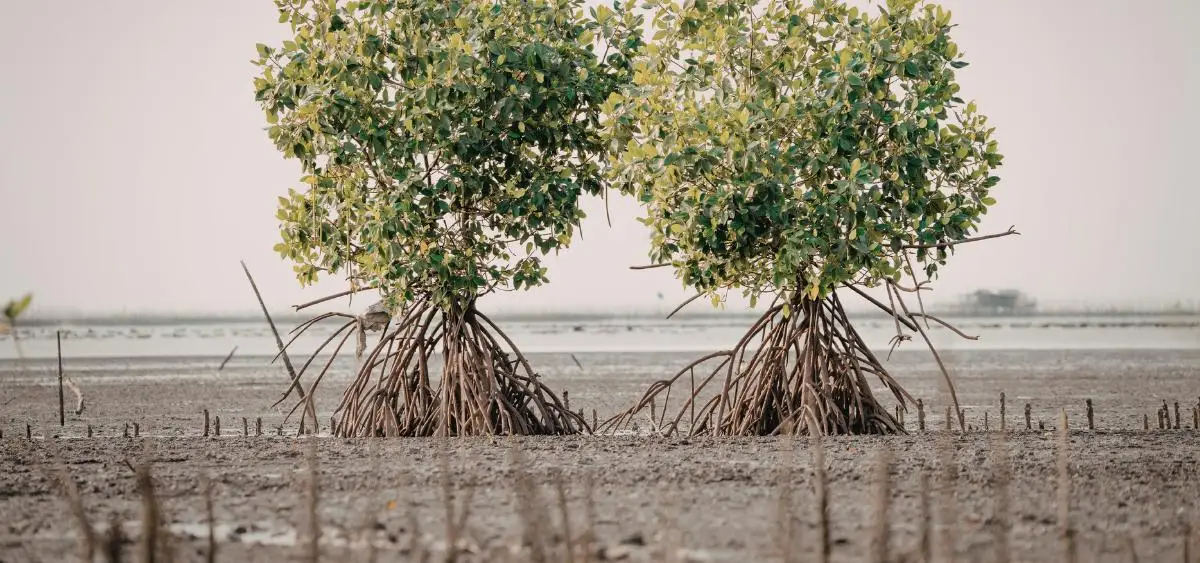
In tropical regions, peatlands are hidden under dense rainforests or mangroves. They form because of constant rainfall and waterlogged soil. These tropical peatlands are especially deep and carbon-rich.
There are also bogs, which depend mostly on rainwater and are low in nutrients, and fens, which get water from underground sources and contain more minerals. Some peatlands sit high in the mountains, while others lie near coastlines.
Climate change is already affecting how these peatlands work, but their core purpose remains the same, storing carbon and supporting life.
The Peatlands Ecosystem and Biodiversity
Peatlands may look quiet, but they are full of life. Birds nest among tall grasses and reeds. Insects buzz across the mossy surface. Frogs, fish, and small mammals depend on peatlands for shelter and food. Some peatlands even support carnivorous plants like sundews that trap insects for nutrients.
Many endangered species rely on peatlands to survive. Otters, cranes, rare orchids, and unique insects all call these wetlands home. Peatlands also act as natural water filters. As water slowly moves through them, pollutants get trapped, helping clean the water that flows into rivers and lakes. In short, peatlands support a web of life that stretches far beyond their boundaries, even if we don’t always see it.
Peatlands and Climate Change: A Powerful Connection
One of the biggest reasons peatlands matter is their role in climate change. Peatlands are huge carbon sinks. The peat stored underground locks away carbon that plants absorbed from the air thousands of years ago. As long as peatlands stay wet and healthy, that carbon stays safely stored.
Here’s the shocking part: peatlands store more carbon than all the world’s forests combined. But when peatlands are damaged, by draining, burning, or drying out, the story changes. The stored carbon is released into the air as carbon dioxide and methane, two powerful greenhouse gases.
In recent years, studies have shown that even some tropical peatlands are starting to release more carbon than they absorb due to droughts and rising temperatures. This makes protecting peatlands even more urgent. Peatlands hold about one-third of the world’s soil carbon. If we let them degrade, climate change will speed up dramatically.
Why Are Peatlands Important Beyond Carbon?
Carbon storage is just one part of the story. Peatlands help manage water by absorbing heavy rainfall and releasing it slowly. This reduces floods during storms and helps prevent droughts during dry periods.
They also protect water quality by filtering pollutants and sediments, making nearby water sources cleaner. Many Indigenous and local communities depend on peatlands for fishing, farming, medicine, and cultural traditions. These ecosystems have supported human life for generations. Peatlands also contribute to local economies through tourism, wildlife conservation, and sustainable resource use.
Peatlands vs Forests: Which Matters More?
Forests often get all the attention when it comes to fighting climate change and they are incredibly important. But when it comes to carbon storage, peatlands quietly outperform forests. Forests store carbon mainly in trees above the ground. Peatlands store carbon underground in deep layers of peat, where it stays locked away for much longer.
Per square kilometer, peatlands hold far more carbon than forests. While forests can regrow in decades, peatlands take centuries or even thousands of years to rebuild once destroyed. That’s why protecting peatlands offers faster and more lasting climate benefits.
Threats to Peatlands
Sadly, peatlands are under serious threat. Drainage for agriculture is one of the biggest problems. When peatlands are drained, air reaches the peat, causing it to break down and release carbon. Other threats include mining, road construction, pollution, overgrazing, and wildfires. Climate change makes things worse by increasing heat and drought.
Globally, about 12–16% of peatlands are already degraded, and they contribute up to 5% of human-caused carbon emissions, a huge amount for such a small land area. In some regions, like Europe, only a small fraction of peatlands remain healthy.
Peatland Restoration and Conservation
The good news? Peatlands can recover if we act. Restoration usually involves rewetting drained peatlands. This stops carbon emissions and allows plants and wildlife to return. Global efforts, like the Global Peatlands Initiative, are working to protect and restore these ecosystems. Local communities are also playing a key role, combining traditional knowledge with modern science. Restoring tropical peatlands alone could reduce global carbon emissions by hundreds of millions of tons each year. Small actions can lead to massive climate benefits.
Conclusion: What Are Peatlands
Peatlands may not look impressive, but they are one of nature’s strongest allies in the fight against climate change. They store carbon, protect water, support wildlife, and help stabilize our climate, often more effectively than forests.
As we search for real climate solutions, peatlands deserve far more attention and protection. Saving them is not just about wetlands. It’s about securing a cooler, safer future for generations to come. Next time you hear about climate action, remember these quiet, muddy landscapes. Sometimes, the most powerful solutions are the ones we overlook.
Also, read: Who Are the Green Giants? And How Are They Changing Our World?
Also, read: Nature’s Light Show: The Truth About Auroras Revealed!
Also, read: What Is Sustainable Technology? Easy Examples and Why It Matters
Also, read: The Glitter That Costs Childhoods: Dark Truth of Mica Mining
Also, read: Water Disappearing Without a Trace? Blame Evapotranspiration!
Also, read: 8 Eco-Friendly Habits to Reduce Your Carbon Footprint!