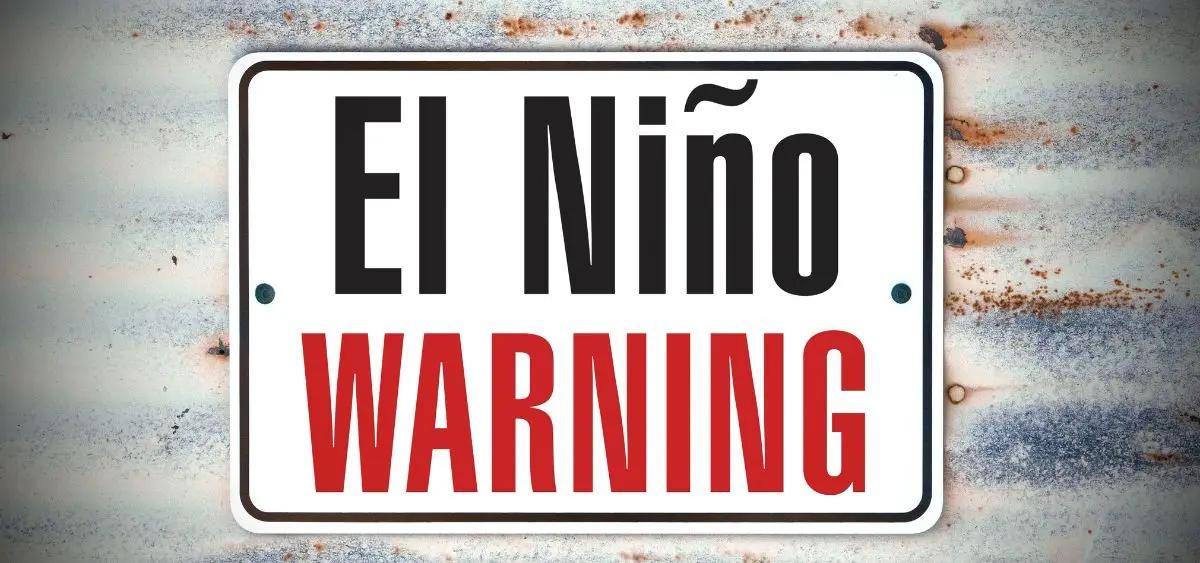

The world is once again witnessing record-breaking temperatures, dangerous floods, stronger storms, and unusually unpredictable weather patterns. From deadly heatwaves across Asia to heavy rainfall in several parts of the world, climate conditions are becoming more extreme with every passing month. Scientists now believe that one of the biggest reasons behind this growing instability is the rapidly developing Super El Nino of 2026.
According to climate experts and international weather agencies, the current El Nino is strengthening much faster than expected. Some researchers even warn that it could rival the strongest El Nino events ever recorded. As ocean temperatures continue to rise, concerns are growing about how severely global weather could be affected in the coming months.
But what exactly is Super El Nino, and why is it causing so much concern worldwide?
What Is Super El Nino?
El Nino is a natural climate pattern that occurs when sea surface temperatures in the central and eastern Pacific Ocean become warmer than normal. These warmer waters may seem harmless at first, but they can significantly disrupt weather systems across the globe.
During a normal El Nino event, some regions experience droughts while others receive excessive rainfall. Temperatures often rise globally, and weather patterns become less predictable.
A Super El Nino is a much stronger version of this climate event. It happens when ocean temperatures rise far beyond average levels, creating severe impacts on global weather. Super El Nino events are rare, but when they occur, their effects can be devastating.
Past Super El Nino events, especially those in 1982-83 and 1997-98, caused massive floods, crop failures, wildfires, and billions of dollars in economic losses worldwide. Now, scientists fear that the 2026 event may follow a similar path.
Why the 2026 Super El Nino Is Different?
What makes the current El Nino particularly alarming is the speed at which it is developing. Researchers have observed unusually rapid warming in parts of the Pacific Ocean, with temperatures increasing faster than what is typically seen during standard El Nino years. Climate scientists say this rapid warming could push the event into “Super El Nino” territory if conditions continue intensifying through the year.
Another major reason for concern is the role of climate change. The Earth’s oceans have been absorbing enormous amounts of heat due to rising greenhouse gas emissions. As a result, background ocean temperatures are already higher than normal. When El Nino develops on top of these warmer oceans, its effects can become much more intense.
This combination of climate change and a rapidly strengthening El Nino is creating what experts describe as a dangerous climate situation. Global temperatures have already reached historic highs in recent years, and scientists believe the 2026 Super El Nino could push them even further.
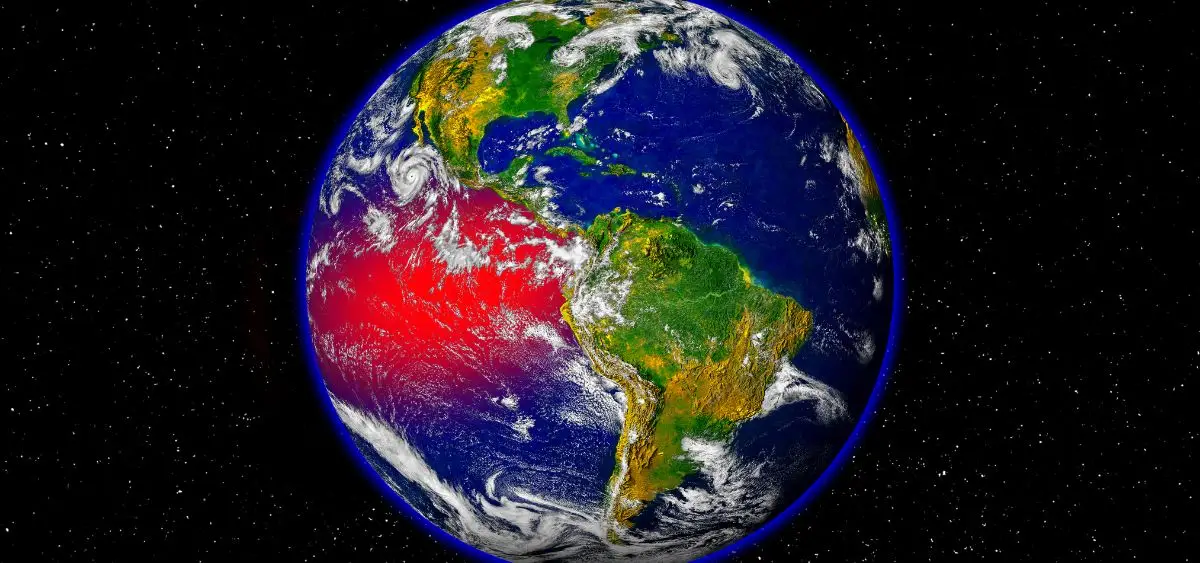
Extreme Weather Events Already Happening
Many parts of the world are already experiencing extreme weather linked to warming oceans and shifting climate patterns.
1. Record-Breaking Heatwaves
Several countries have reported unusually high temperatures this year. Heatwaves are becoming longer, hotter, and more dangerous. Cities across Asia, Europe, and North America are witnessing temperature records being broken repeatedly.
Extreme heat affects not only human health but also agriculture, energy systems, and water supplies. Vulnerable populations, especially older adults and outdoor workers, face serious health risks during prolonged heatwaves.
2. Floods and Heavy Rainfall
While some regions are becoming drier, others are receiving intense rainfall. Flooding events have increased in frequency and severity in many countries. Warmer air holds more moisture, which means storms can release much larger amounts of rain within a short time. This often leads to flash floods, landslides, and major infrastructure damage.
3. Drought Conditions
Super El Nino can also reduce rainfall in certain areas, creating severe drought conditions. Water shortages affect farming, drinking water availability, and electricity generation in regions dependent on hydropower. Farmers are often among the hardest hit, as changing rainfall patterns can destroy crops and reduce food production.
4. Stronger Storms and Wildfires
Scientists also warn that warmer ocean temperatures can contribute to stronger tropical storms and hurricanes in some regions. At the same time, hotter and drier conditions increase wildfire risks. Forest fires have become more frequent and intense over the past decade, damaging ecosystems and affecting air quality worldwide.
Countries Most at Risk
Although El Nino affects the entire planet, some regions are more vulnerable than others.
1. Asia
Many Asian countries may experience stronger heatwaves, changing rainfall patterns, and flooding. Agricultural production could also be disrupted in several regions.
2. United States
The United States may face heavier rainfall in some areas while others deal with drought and wildfire risks. Coastal regions could also see stronger storms.
3. South America
El Nino typically brings heavy rainfall to parts of South America, increasing flood risks. Fishing industries may also suffer due to changing ocean temperatures.
4. Australia
Australia often experiences hotter and drier conditions during El Nino years. This raises concerns about droughts and bushfires.
5. Africa
Several African nations may face water shortages, reduced crop yields, and food insecurity due to changing rainfall patterns.
How Climate Change Is Making El Nino Worse?
El Nino itself is not new. It has existed naturally for thousands of years. However, scientists believe climate change is making its impacts stronger and more dangerous.
The world’s oceans are currently at record-high temperatures because they absorb most of the excess heat trapped by greenhouse gases. Warmer oceans provide more energy to weather systems, increasing the intensity of storms, rainfall, and heatwaves. In simple terms, climate change is adding extra fuel to El Nino events.
This is why many scientists are now seeing more extreme weather occurring during El Nino years than in the past. Researchers also warn that future Super El Nino events may become even more severe if global warming continues unchecked.
Economic and Human Impact
The impacts of Super El Nino extend far beyond weather reports. They can affect economies, public health, food systems, and daily life for millions of people.
1. Agriculture and Food Prices
Farmers depend heavily on stable weather conditions. Droughts, floods, and irregular rainfall can destroy crops and reduce harvests. When food production decreases, prices often rise. This affects both local economies and global food markets.
2. Water Shortages
Many regions already struggle with water stress. Reduced rainfall and higher evaporation during heatwaves can worsen water shortages for households, industries, and agriculture.
3. Health Risks
Extreme heat can lead to serious health emergencies. Hospitals often see increased cases of dehydration, heatstroke, and respiratory illnesses during severe heatwaves. Flooding can also spread waterborne diseases and damage healthcare infrastructure.
4. Infrastructure Damage
Floods, storms, and wildfires can damage roads, buildings, bridges, and power systems. Repairing this infrastructure often costs billions of dollars. Businesses may also suffer disruptions due to extreme weather conditions.
What Experts and Organizations Are Warning?
International climate agencies and scientists are closely monitoring the situation. The World Meteorological Organization has warned that the likelihood of El Nino conditions has increased significantly. Climate researchers are also tracking rising Pacific Ocean temperatures and studying how rapidly the event is strengthening.
Many experts believe governments should prepare for possible climate emergencies, especially in vulnerable regions. Emergency planning, heatwave preparedness, water management, and disaster response systems are becoming increasingly important as weather extremes intensify. Scientists continue emphasizing that reducing greenhouse gas emissions remains essential for limiting future climate risks.
How People Can Prepare?
Although individuals cannot stop El Nino, there are several ways people can prepare for extreme weather conditions.
1. Stay Updated
Following reliable weather forecasts and government alerts can help people prepare for heatwaves, storms, and floods in advance.
2. Practice Heat Safety
During extreme heat:
- Drink enough water
- Avoid direct sunlight during peak afternoon hours
- Wear light clothing
- Check on older adults and vulnerable family members
3. Save Water
Water conservation becomes especially important during drought conditions. Small changes in daily usage can help reduce pressure on water supplies.
4. Prepare Emergency Supplies
Emergency kits with essential medicines, flashlights, food, and clean water can be useful during severe weather events or power outages.
Conclusion
The rapidly developing Super El Nino of 2026 is becoming one of the most closely watched climate events in recent years. Scientists warn that it could bring stronger heatwaves, severe flooding, droughts, storms, and widespread climate disruptions across the globe.
While El Nino is a natural weather phenomenon, climate change is increasing its intensity and making its impacts more dangerous than before. From rising temperatures in India to flood risks in other parts of the world, the effects of Super El Nino may touch millions of lives in the months ahead.
The growing climate crisis is no longer a distant warning. It is becoming a reality that people around the world are already experiencing through extreme weather events, changing seasons, and rising environmental challenges. Understanding these climate patterns is the first step toward better preparation, stronger awareness, and a more resilient future.
Also, read:
How Big Is Your Pet Carbon Footprint Really?
This Startup is Turning Textile Trash into Sustainable Treasure- meet FABBRICKS
Met Gala 2026: Biggest Sustainable Fashion Lessons!
Shopping Addiction: Why Dopamine Makes You Overbuy Clothes?
Top 7 Sustainable Fashion Influencers on Instagram in 2026
FAQs
1. What is Super El Nino?
Super El Nino is an extremely strong El Nino climate event caused by unusually warm Pacific Ocean temperatures. It can trigger severe weather changes worldwide, including heatwaves, floods, droughts, and storms.
2. How does El Nino affect weather around the world?
El Nino changes global wind and rainfall patterns. Some countries experience heavy rainfall and floods, while others face droughts, heatwaves, and water shortages.
3. Is climate change making El Nino stronger?
Many scientists believe climate change is intensifying El Nino events because warmer oceans add more energy to weather systems, leading to more extreme climate impacts.
4. Which countries are most affected by Super El Nino?
Countries in Asia, South America, Australia, Africa, and parts of North America are often heavily affected by El Nino-related extreme weather conditions.
5. Can Super El Nino cause extreme heatwaves?
Yes. Super El Nino can raise global temperatures significantly, increasing the frequency and intensity of dangerous heatwaves worldwide.