Imagine turning your backyard into something that actually helps you during dry seasons. Every year, water shortages are getting worse. Gardens dry up, plants start dying, and people worry about how to save water. But what if your garden could collect rainwater and store it naturally, almost like a sponge soaking up water?
That’s exactly what a Sponge Garden does. A Sponge Garden is a smart, nature-inspired way of designing your landscape so it captures rainwater, stores it in the soil, and slowly releases it when plants need it most. Instead of rainwater running away into drains, your garden holds it for later use. So your yard doesn’t just look beautiful, it becomes a practical solution for drought and water shortages. With the right Sponge Garden design, even a small backyard can become a green, water-saving oasis.
What is a Sponge Garden?
A sponge garden is a specially designed garden that works like a natural water absorption system. Instead of letting rainwater quickly run off into drains and streets, it captures water, holds it in the soil, and slowly releases it back into the ground. The idea is inspired by the “sponge city” concept, where urban spaces are designed to absorb rainwater naturally rather than allowing it to cause flooding.
Sponge gardens mimic the way forests, wetlands, and natural landscapes manage water. In nature, rain falls onto layers of plants, roots, and healthy soil, which act like a sponge by soaking up moisture and preventing sudden runoff.
Today, many cities face serious flooding problems because concrete roads, pavements, parking lots, and buildings block rainwater from entering the soil. Instead of being absorbed naturally, water rushes across hard surfaces and overwhelms drainage systems. A sponge garden helps solve this problem by creating a space where water can slow down, sink into the ground, and recharge groundwater levels naturally.
Deep-rooted plants, mulch, compost-rich soil, and small water-holding areas all work together to improve water retention while supporting healthier ecosystems. Beyond reducing runoff and erosion, sponge gardens also help cities stay greener, cooler, and more resilient in a changing climate.
How Does a Sponge Garden Work?
A Sponge Garden works just like its name suggests. It absorbs rainwater, stores it in the soil and plants, and slowly releases it back into the ground over time. In a way, it copies how natural forests handle rain. Forest soil soaks up water, holds it, and lets it seep out slowly instead of letting it flow away. This idea is especially useful in cities. Urban areas are full of hard surfaces like roads, pavements, and driveways. When it rains, water quickly runs off these surfaces instead of soaking into the ground. A Sponge Garden helps fix this problem by keeping water where it falls.
The benefits are impressive. Sponge Gardens can absorb around 30% more water than a regular lawn. This means less water runoff and more moisture stored for plants. During dry periods, this stored water keeps plant roots healthy for longer, reducing the need for extra watering. They also help clean the environment. Studies show Sponge Gardens can filter up to 90% of pollutants from rainwater runoff before it enters groundwater or nearby streams. This creates a healthier ecosystem for birds, insects, and other wildlife.
For water conservation, Sponge Gardens are incredibly effective. Some research suggests that sponge-style landscapes can capture more than 70% of rainwater in urban areas that would normally be lost as runoff. And the need for solutions like this is growing. By 2025, experts estimate that around 40% of global natural disasters are linked to extreme weather events, including floods and droughts. Sponge Gardens help manage both problems by storing water during heavy rain and releasing it slowly during dry periods. This makes them a powerful tool for building climate-resilient gardens around the world.
Sponge Garden vs Rain Garden: What’s the Difference?
Many people confuse a Sponge Garden with a rain garden, and it’s easy to see why. Both are designed to manage rainwater and help the environment. A rain garden mainly focuses on quickly absorbing rainwater during storms. It usually collects water from rooftops, streets, or driveways and allows it to soak into the soil within a day or two. Rain gardens are great for reducing flooding and filtering pollutants.
A Sponge Garden, however, goes a step further. It is designed not only to absorb water but also to store it for a longer time. It uses deeper soil layers, special planting methods, and sometimes features like bioswales or permeable pathways. These elements allow the garden to hold water for weeks, helping plants survive during dry periods.
While rain gardens work more like short-term water filters, Sponge Gardens act more like mini ecosystems. They combine water storage, plant diversity, and soil health to create a landscape that is both sustainable and resilient. Another advantage is efficiency. If you have limited space, a Sponge Garden can store more water in a smaller area, making it a powerful solution for urban homes. In simple terms, a rain garden helps manage heavy rainfall for a short time, while a Sponge Garden helps your landscape store water, survive droughts, and stay greener for longer.
Why Choose a Sponge Garden? Key Benefits for Your Home and Planet
Creating a Sponge Garden is not just about being eco-friendly, it also brings real, practical benefits to your home and environment. One of the biggest advantages is rainwater harvesting. A well-designed sponge garden can collect water from an area four to five times larger than the garden itself. Instead of rainwater quickly running off and causing erosion, the garden absorbs it slowly and helps recharge groundwater. In drought-prone areas, this means your plants can rely on stored rainwater rather than constant watering with a hose.
For people living in urban areas, a sponge garden can transform a small outdoor space into a refreshing green spot. It helps cool down hot surroundings, especially in cities where concrete and asphalt trap heat. At the same time, it creates a small natural habitat that attracts pollinators like bees and butterflies, thanks to nectar-rich flowers and diverse plants. The shade from plants also protects the soil and roots during extreme heat waves.
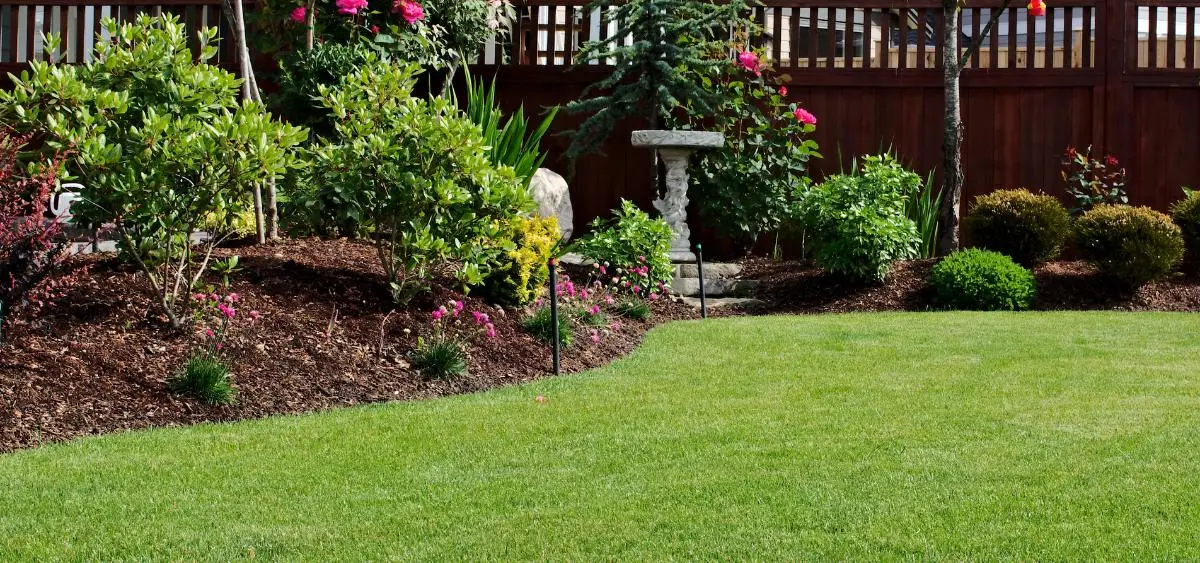
From a design perspective, a sponge garden can fit beautifully into your landscaping. You can create curved garden beds, small basins, or natural pathways that blend with patios or lawns. Beyond aesthetics, these gardens are also a nature-based solution to climate change. By encouraging shade and evaporation, they help reduce urban heat and improve local ecosystems. Another practical benefit is lower water bills, because the garden stores and uses rainwater efficiently.
Around the world, many cities are adopting “sponge city” principles, increasing green areas that absorb water naturally. In some places, urban spaces now have 30–35% more water-absorbing landscapes, combining green roofs with ground-level gardens to deal with stronger droughts and heavy rainfall. This approach shows how sustainable sponge garden design can be affordable, flexible, and beneficial for both people and nature.
How to Build a Sponge Garden: A Simple DIY Guide
If you want to create your own DIY Sponge Garden, the good news is that it doesn’t require advanced gardening skills or a large budget. Even beginners can build one to improve water retention in their yard.
Tools and Materials You’ll Need
- A shovel and gardening gloves for digging
- Compost or sand to improve soil structure (especially if your soil is heavy clay)
- Gravel or mulch to create layers and control moisture
- Native plants that store water well, such as deep-rooted perennials or drought-tolerant grasses
- Optional: Rain barrels to collect water from rooftops
For beginners, it’s best to start with a small area, around 100 square feet. You can always expand later depending on how much rainwater your roof or yard collects.
Step 1: Choose the Right Location
Select a spot that gets sun or partial shade and is slightly downhill from your roof’s downspouts. Keep the garden at least 10 feet away from your home’s foundation to prevent water damage. Next, test your soil. Dig a small hole, fill it with water, and observe how quickly the water drains.
- Sandy soil drains quickly.
- clay soil holds water longer.
If the soil drains too slowly or too quickly, mix in compost or sand to improve its ability to absorb water effectively.
Step 2: Dig the Basin and Create Layers
Mark the shape of your sponge garden and dig a shallow basin about 6–12 inches deep. The top should be slightly wider so rainwater can spread out. Use the soil you removed to build a small berm (raised edge) on the downhill side. This helps trap rainwater so it can soak into the ground instead of flowing away. For better water storage, you can also add a layer of gravel at the base and cover it with landscape fabric before adding soil.
Step 3: Improve the Soil
Mix compost into the soil to make it loose and nutrient-rich. Healthy soil acts like a natural filter and sponge. It allows water to stay in the ground for 12–48 hours, which is long enough for plants to absorb it but short enough to avoid mosquito problems. Avoid compacting the soil too much because loose soil absorbs water better.
Step 4: Add Plants and Mulch
Choose plants that can tolerate both wet and dry conditions. Good examples include:
- Switchgrass
- Black-eyed Susans (Rudbeckia Hirta)
- Sedges
- Native flowering perennials
Plant them fairly close together to create full coverage. After planting, add about 2 inches of mulch on top. Mulch helps keep moisture in the soil and prevents weeds from growing.
Step 5: Connect Rainwater and Maintain
You can direct rainwater into your sponge garden by connecting your roof gutters or downspouts. During the first few weeks, water the plants regularly to help them establish strong roots. After that, the garden will mostly rely on natural rainfall. Check the garden occasionally each season. If needed, adjust plant choices based on your local climate.
Pro Tip: To create a more advanced Rainwater Sponge Garden system, you can add small channels or swales that guide extra water into the garden. This ensures maximum water absorption and makes your garden even more effective during droughts.
Landscaping Ideas to Make Your Sponge Garden More Beautiful
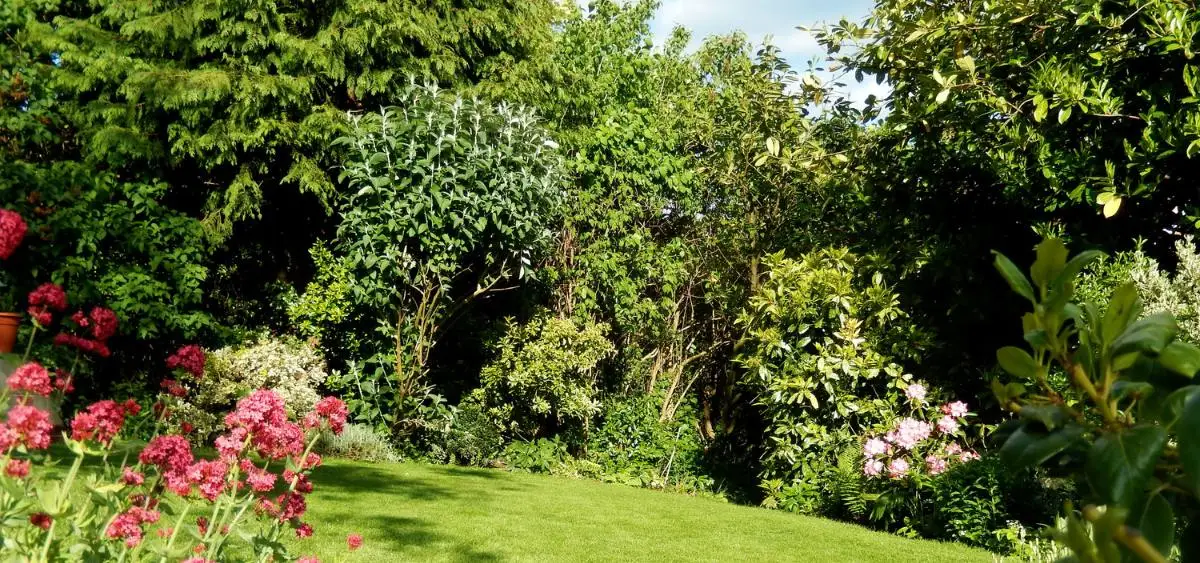
You can make your Sponge Garden both useful and beautiful with a few creative landscaping ideas. Try using permeable pavers for your garden paths. These special pavers allow rainwater to pass through the surface and soak into the soil instead of running off. You can also plant small clusters of trees, sometimes called mini forests. These trees not only help absorb rainwater but also provide natural shade and create a cooler, greener space in your garden.
If you live in a city or have limited space, don’t worry. Urban Sponge Gardens can work well on rooftops or balconies too. You can stack pots or planters with a layer of gravel at the bottom. This helps store extra water and slowly release it to the plants. Feeling adventurous? You could even remove a small strip of concrete from your driveway and replace it with native plants and soil that absorbs water. This simple step helps rainwater enter the ground instead of flowing away.
All these small changes not only help reduce drought impact but also make your garden lively and attractive. Imagine colorful flowers blooming, butterflies flying around, and a garden that stays green while also saving water.
Conclusion
A Sponge Garden is not just a trend, it is a smart and practical way to prepare for the future. As droughts become more common around the world, gardens that can store and manage rainwater are becoming very important. By creating a Sponge Garden, you help save water, support plants and wildlife, and make your outdoor space more sustainable. Studies show that drought events are increasing globally, which means small actions like this can make a real difference.
So why wait? Pick up a shovel, involve your family, and start building your Sponge Garden this weekend. Your garden will become greener, your water use will improve, and you will be doing something positive for the planet. What would be the first step you would take to build your Sponge Garden? Share your ideas and inspire others to start their own.
Also, read: Cigarette Butts to Adorable Creation? This Innovation Is Genius!
Also, read: Nature’s Light Show: The Truth About Auroras Revealed!
Also, read: The Glitter That Costs Childhoods: Dark Truth of Mica Mining
Also, read: Turn Trash into Treasure: How to recycle waste paper at home
Also, read: AI in Wildlife Conservation: The New Hope for Endangered Species
FAQs
How does a sponge garden help reduce flooding?
A sponge garden slows down rainwater runoff by allowing water to soak into the ground naturally. Deep-rooted plants, mulch, and healthy soil work together to absorb excess water instead of letting it flow into drains and streets.
What plants are best for a sponge garden?
Native and deep-rooted plants are the best choice for sponge gardens because they improve water absorption and survive local weather conditions more easily. Popular options include vetiver grass, coneflowers, native ferns, iris, and switchgrass.
Can I build a sponge garden in a small yard?
Yes, sponge gardens can work in small spaces, including urban backyards, balconies, rooftop gardens, and even container gardens. Small design changes like adding mulch and water-absorbing plants can make a big difference.
Do sponge gardens require a lot of maintenance?
No, sponge gardens are usually low-maintenance once established. Native plants need less watering, and mulch helps reduce weeds while keeping the soil moist.
Can sponge gardens help during droughts?
Yes. Sponge gardens retain moisture in the soil for longer periods, which helps plants survive during dry weather and reduces the need for frequent watering.