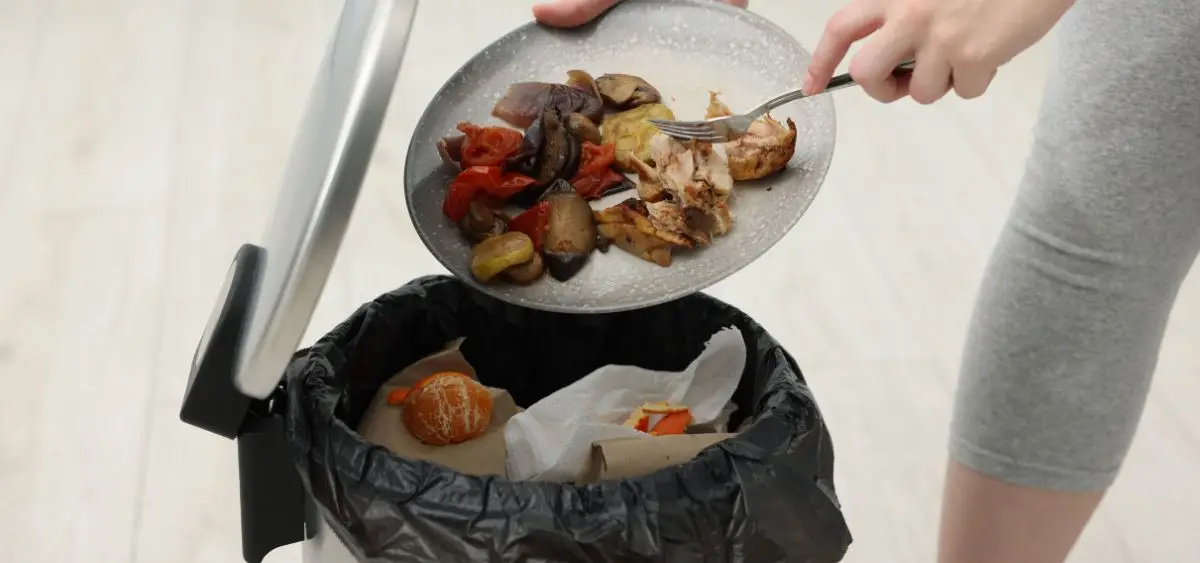

Take a moment and think about your daily routine. You open the fridge, see some leftover food or slightly old vegetables, and throw them away. It feels normal, right? But here’s the truth, these small habits are part of a much bigger global problem. Food waste is increasing every year, and it’s affecting not just our wallets but also the environment.
That’s why food waste management is becoming more important than ever. The good news? You don’t need to make big changes. Even small steps at home can create a big impact.
The Global Food Waste Problem
A huge amount of food produced worldwide never gets eaten. From farms to homes, food is wasted at every stage.
- Food gets damaged during transportation
- Stores throw away unsold items
- Restaurants and households waste leftovers
What’s shocking is that this wasted food could help feed millions of people who struggle to get daily meals. This shows that the problem isn’t food shortage, it’s poor food management.
Food Waste and the Environment
Food waste doesn’t simply disappear when you throw it away. When it ends up in landfills, it releases harmful gases that contribute to global warming by trapping heat in the atmosphere and raising the planet’s temperature. At the same time, producing food requires valuable resources like water, land, and energy. So, when food is wasted, all of these resources are wasted as well. By reducing food waste, we can lower pollution, reduce the strain on natural resources, and help create a healthier planet for everyone.
Are You Wasting More Food Than You Think?
Most people think they don’t waste much food, but the reality is quite different. In many homes, everyday items like bread, milk, fruits, vegetables, and even cooked leftovers often end up in the bin without much thought. A simple way to understand your habits is to track your food waste for just one week. You’ll start noticing patterns, like buying more than you actually need, forgetting items in the fridge, or cooking extra food that never gets eaten. Once you become aware of these habits, it becomes much easier to make small changes and reduce waste effectively.
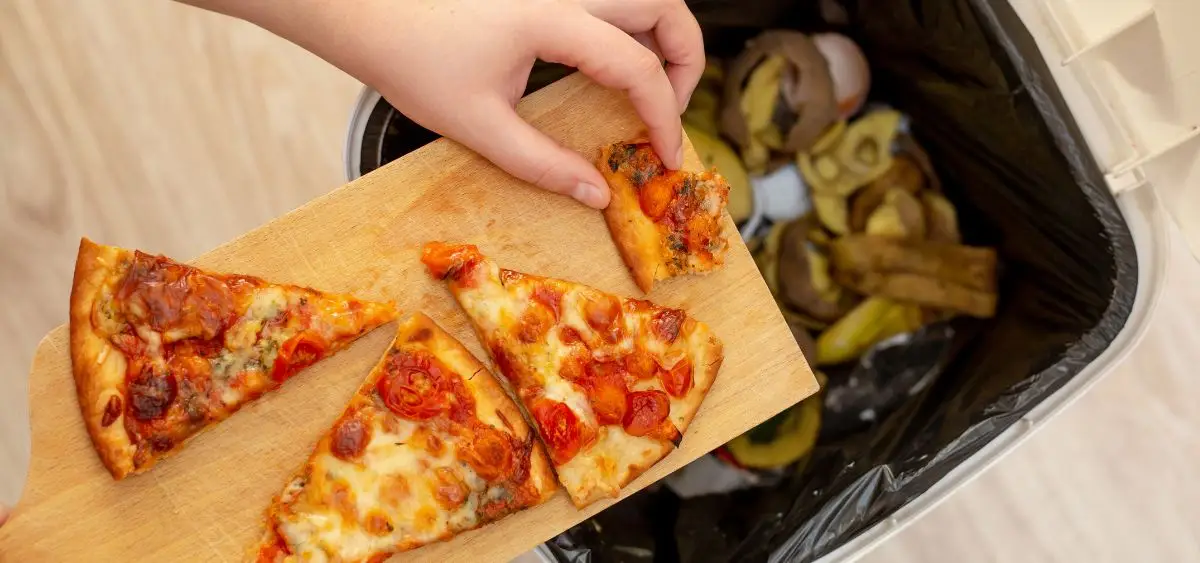
Food Waste Management at Home: Easy Steps to Start
1. Plan Your Meals
- Before going shopping, decide what you’ll eat for the week.
- Make a list and stick to it. This reduces unnecessary buying.
2. Store Food Properly
Good storage increases food life:
- Use airtight containers
- Keep fridge at the right temperature
- Use older items first (First In, First Out rule)
3. Control Portions
- Serve small portions first. You can always take more.
- This reduces leftovers that often go to waste.
4. Get Creative with Leftovers
Don’t throw away extra food—reuse it:
- Leftover vegetables → Soup or sandwich filling
- Stale bread → Toast or croutons
- Extra rice → Fried rice
Simple creativity can save both food and money.
Composting as solution
Not all food can be eaten, but that doesn’t mean it has to go to waste. Composting is a simple process that turns everyday food scraps into natural fertilizer for plants. Items like fruit and vegetable peels, coffee grounds, and eggshells can all be composted easily at home. This not only reduces the amount of waste you throw away but also helps your plants grow better and supports an eco-friendly lifestyle. The best part? You don’t need anything expensive to get started, a small bin at home is enough.
Want to start composting today? Read this easy guide: Composting Guide
Smart Food Waste Solutions (Modern Approach)
Technology is making food waste management much easier and more practical in daily life. Today, you can use apps that remind you when your food is about to expire, helping you use it before it goes to waste. There are also smart tools that suggest recipes based on the ingredients you already have at home, so nothing gets unused. Some advanced systems even track how much food you throw away and give insights to improve your habits over time. All these modern solutions make it simple to reduce food waste and move toward a more sustainable lifestyle.
Food Waste Recycling and Disposal
When you’ve already tried to reduce and reuse food, the next step is handling the remaining waste in a smarter way. Some food scraps can be reused as animal feed, while used cooking oils can be processed into fuel. There are also modern methods like anaerobic digestion that convert food waste into clean energy, making it more useful instead of harmful.
At home, it’s important to follow your local waste rules. Many places now provide services like organic waste collection or community composting. Try to avoid sending food waste to landfills as much as possible, since that should always be the last option. Separating your waste properly not only keeps your bins cleaner but also improves recycling efficiency and helps create a more sustainable system overall.
A Simple 30-Day Plan to Reduce Food Waste
Week 1: Observe what you throw away
Week 2: Shop smart and avoid overbuying
Week 3: Use leftovers creatively
Week 4: Start composting
In just one month, you can reduce a big portion of your food waste.
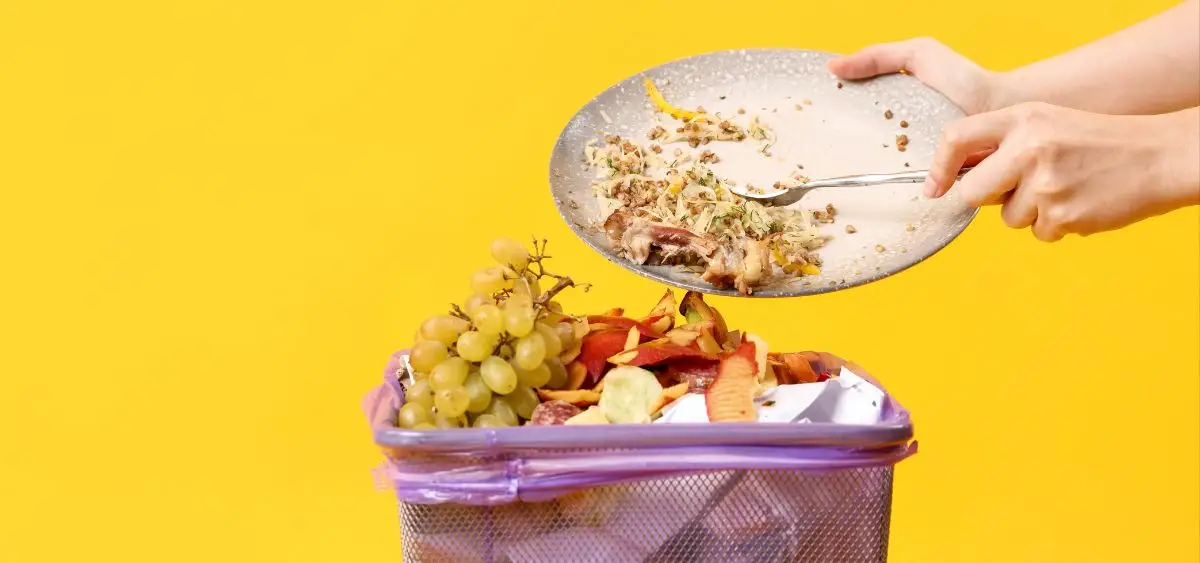
Building a Zero Food Waste Lifestyle
Living a zero food waste lifestyle doesn’t mean being perfect, it’s about being mindful and consistent with your daily habits. You can begin with small, simple changes like paying attention to what you throw away, understanding your food usage, and making smarter choices while buying or cooking. Sharing these habits with your family also makes a big difference, as it builds awareness and encourages everyone to be more responsible. Over time, these small actions create a strong positive impact, not just in your home but on a larger scale as well.
Conclusion
Food waste management isn’t about feeling guilty, it’s about becoming aware and making better everyday decisions. You don’t have to change everything overnight. Start with one small step, like planning your meals, checking what’s already in your fridge before shopping, or avoiding unnecessary waste. As you repeat these habits, they will slowly become a natural part of your lifestyle. Take a moment to reflect, are you wasting more food than you realize? The good part is, now you have the awareness to change it. So begin today, make smarter choices, and take a step towards wasting less and living better.
Also, read: 7 Yummy Vegan Breakfasts You Can’t Resist!
Also, read: Discover How This Company Purifies Water with Nature’s Touch!
Also, read: The Dark Truth of Animal Cruelty Behind Factory Farming!
Also, read: Is Tesla Really Sustainable? Let’s Talk Tesla Environmental Impact!
Also, read: Sustainable Cities: How Urban Life Can Protect the Planet!
Also, read: How to Filter Water Naturally at Home Without a Machine?