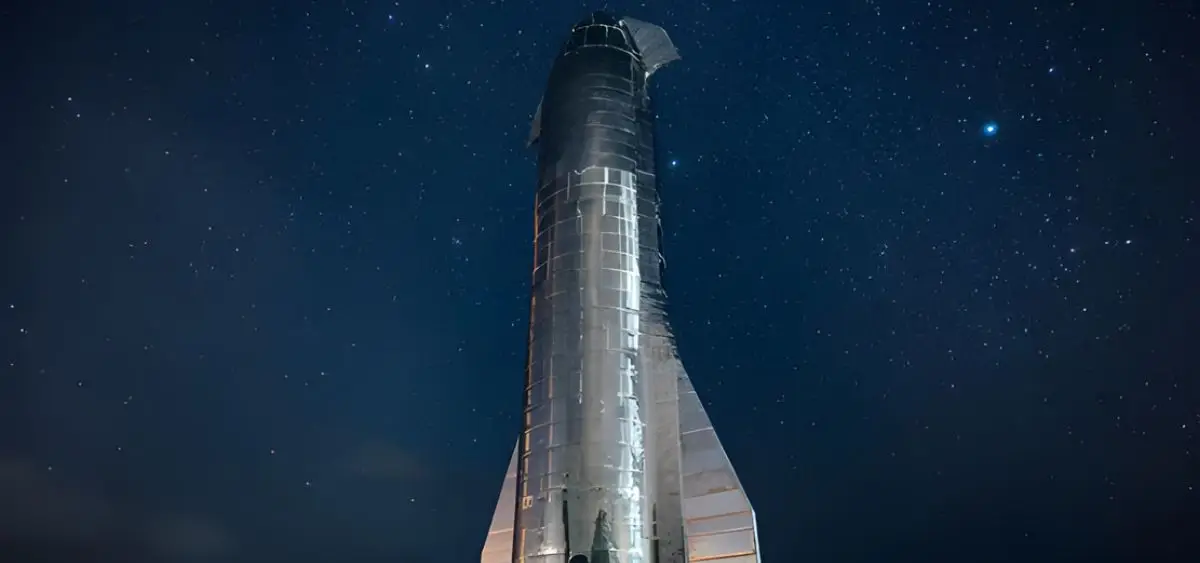
Imagine this for a second, a massive silver rocket, taller than skyscrapers, blasting off with a roar so powerful it shakes the ground beneath you. That’s SpaceX Starship, currently the most powerful rocket ever built.
It’s designed to make space travel cheaper, faster, and more routine. Sounds exciting, right? But there’s a big question people keep asking, what does this mean for Earth? Is this rocket helping our planet move forward, or quietly adding more pressure to it?
From casual conversations to global debates, people are curious. They want to know about emissions, pollution, and whether something like Starship can truly be sustainable. So let’s break it down in a simple, honest way — no hype, just facts.
What Makes Starship So Different?
Unlike traditional rockets, SpaceX Starship is designed to be fully reusable. Both the main vehicle and its booster can return safely and fly again, instead of being discarded after a single mission. Older rockets were mostly single-use, often burning up or ending in the ocean after launch. Starship aims to change that model by cutting down waste and reducing long-term costs.
This approach could make space travel more efficient and accessible. Because of this, it’s being considered for missions to the Moon, Mars, and for launching large satellites. Still, such advancements come with technical challenges and environmental considerations.
Fuel Choice: Cleaner or Still a Problem?
The SpaceX Starship uses liquid methane and oxygen as fuel. Compared to traditional rocket fuels, methane burns much cleaner, releasing mostly carbon dioxide and water vapor instead of thick, harmful soot. This makes it a better option than older systems.
Still, it’s not completely risk-free. If methane escapes into the atmosphere before ignition, it can act as a strong greenhouse gas, contributing to global warming. That’s why experts carefully monitor emissions during every launch.
On the brighter side, SpaceX is working to lower its environmental impact by producing methane directly at launch sites, reducing transportation-related pollution. In addition, Starship missions may help deploy satellites that monitor climate change, track pollution sources, and study environmental damage. So while it does have some impact, it may also play a role in helping us better understand and protect our planet.
What Happens During a Launch?
A Starship launch is anything but quiet, it’s incredibly powerful and loud. The noise can reach around 160–170 decibels, which is intense enough to shake the ground and be heard miles away. This level of sound can disturb not just people living nearby, but also wildlife. Animals such as birds, sea turtles, and other coastal species may get affected by the sudden noise, bright flames, and strong vibrations during liftoff. There are also short-term environmental concerns, including heavy water usage at the launch site and temporary air and ground pollution in the surrounding area.
However, efforts are being made to reduce these effects. Launch schedules are carefully planned to avoid sensitive periods like breeding or nesting seasons. Environmental experts and monitoring teams keep a close watch on wildlife behavior and habitat conditions before and after launches. Advanced systems, such as water deluge technology and sound suppression methods, are used to manage heat and reduce noise impact. According to recent assessments, when these precautions are properly followed, the overall environmental impact remains limited and manageable.
Reusability of Spacex’s Starship Rocket
This is where SpaceX Starship truly makes a difference. Since it’s designed to be reused multiple times, there’s far less need to build new rockets for every mission. That directly reduces the demand for raw materials, cuts down emissions from manufacturing, and limits waste left behind in space. Over time, this approach can make space travel far more efficient and environmentally responsible than older, disposable systems. On top of that, the technology developed for these rockets is finding use in other fields too, especially in areas like cleaner energy production and carbon capture, which could benefit the planet in the long run.
What About the Carbon Footprint of SpaceX Starship?
Let’s be real, each launch still has a noticeable environmental cost. A single Starship flight can produce emissions similar to hundreds of long-distance flights. And if launches increase in the future, the total impact could grow. There are also concerns about: Heat-trapping gases in the upper atmosphere, effects on ozone over time, small particles released during re-entry.
But here’s the bigger picture, right now, rocket launches make up a very small part of global emissions, much less than cars, factories, or airplanes. So while it’s important to monitor, it’s not the biggest contributor to climate change.
Concerns People Are Raising
Critics have pointed out several valid concerns:
- Debris from test flights
- Methane leaks during fueling
- Impact on local ecosystems
- Frequent launches affecting nearby communities
These concerns are real, and they’re being taken seriously. New regulations, monitoring systems, and environmental checks are being introduced to keep things under control.
So… Is It Helping or Hurting Earth?
The answer isn’t black and white. Yes, Starship creates emissions and has environmental effects that we can’t ignore. But at the same time, it also, reduces waste through reusability, supports climate monitoring technologies, opens doors for future sustainable innovations. It’s a mix of both challenge and opportunity.
Conclusion
Innovation always comes with risks. But it also brings progress. Starship is pushing humanity forward in a big way, the key is making sure we do it responsibly. If managed carefully, with strict rules and smarter solutions, this rocket could do more good than harm in the long run.
Also, read: Did a Meteor Hit Cleveland Ohio? Here’s the full Truth!
Also, read: Vedic Plaster: The Natural Alternative to Chemical Paints!
Also, read: The Growing Importance of Mountains in a Warming World!
Also, read: What is Banana Fibre? Is this the softest vegan fabric?
Also, read: How to Filter Water Naturally at Home Without a Machine?